Somebody told you that forgiveness is for yourself, not the other person. That holding onto anger is like drinking poison and expecting them to die. That you need to let it go for your own peace.
Maybe. But right now you're sitting with the cards because "let it go" isn't a strategy. It's a bumper sticker. And the thing they did is still sitting in your body like a stone you swallowed, and no amount of deep breathing has dissolved it.
What Tarot Actually Means by Forgiveness
The tarot deck doesn't have a forgiveness card. There's no image of two people hugging it out. What it has is a vocabulary for the stages that forgiveness moves through, if it moves at all. Anger, grief, understanding, release. Each stage has its own cards, and not every reading needs to reach the last one.
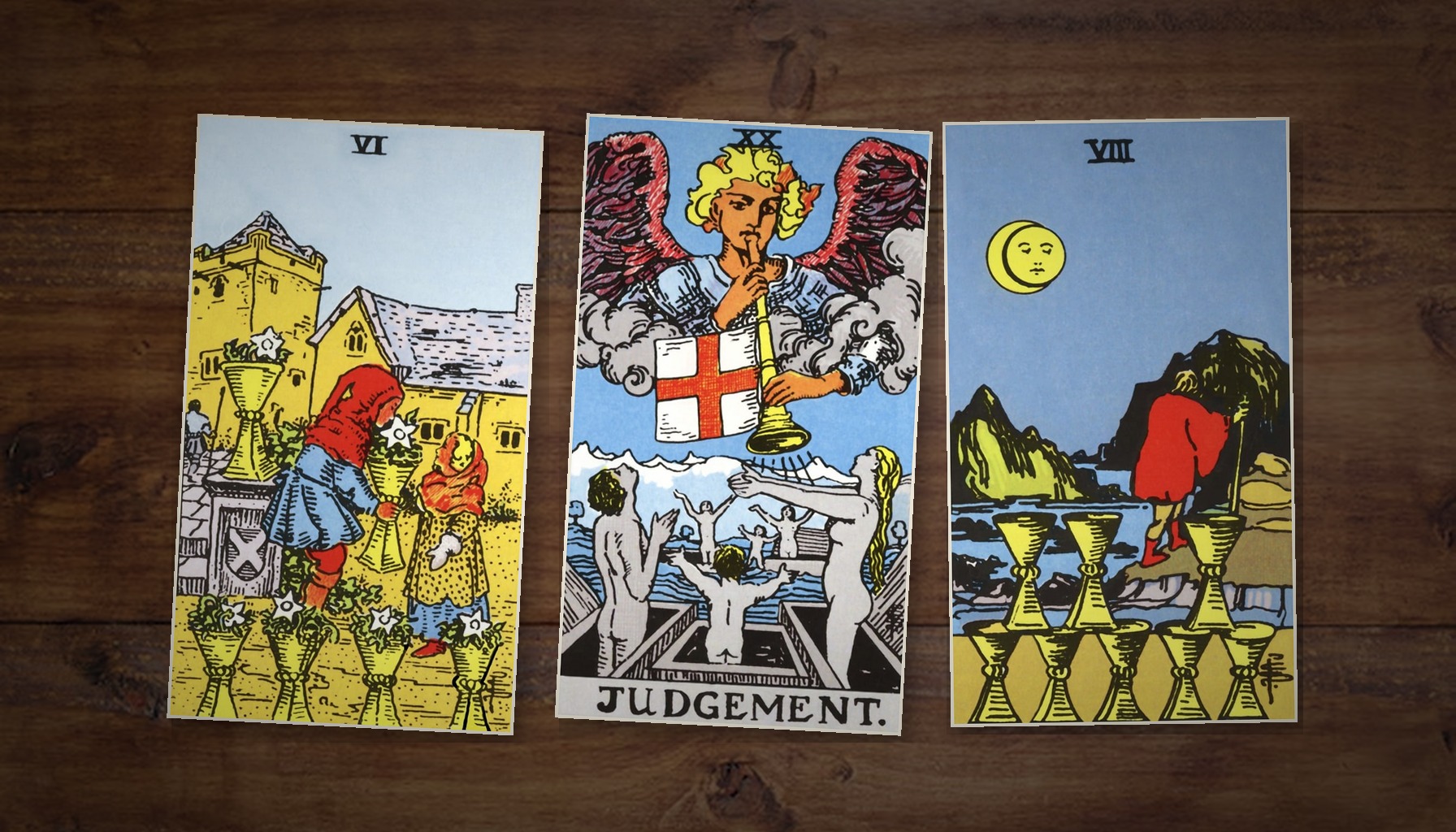
Judgement shows the reckoning. An angel blows a trumpet and the dead rise from their coffins. In a forgiveness reading, this card asks whether the truth has actually surfaced. Not the watered-down version. Not "mistakes were made." The real thing that happened, named out loud, with no softening.
Justice holds a sword in one hand and a scale in the other. She's not interested in your feelings about what happened. She wants to know if accountability has occurred. If Justice shows up and you're trying to forgive someone who hasn't acknowledged what they did, the card is saying you're skipping a step.
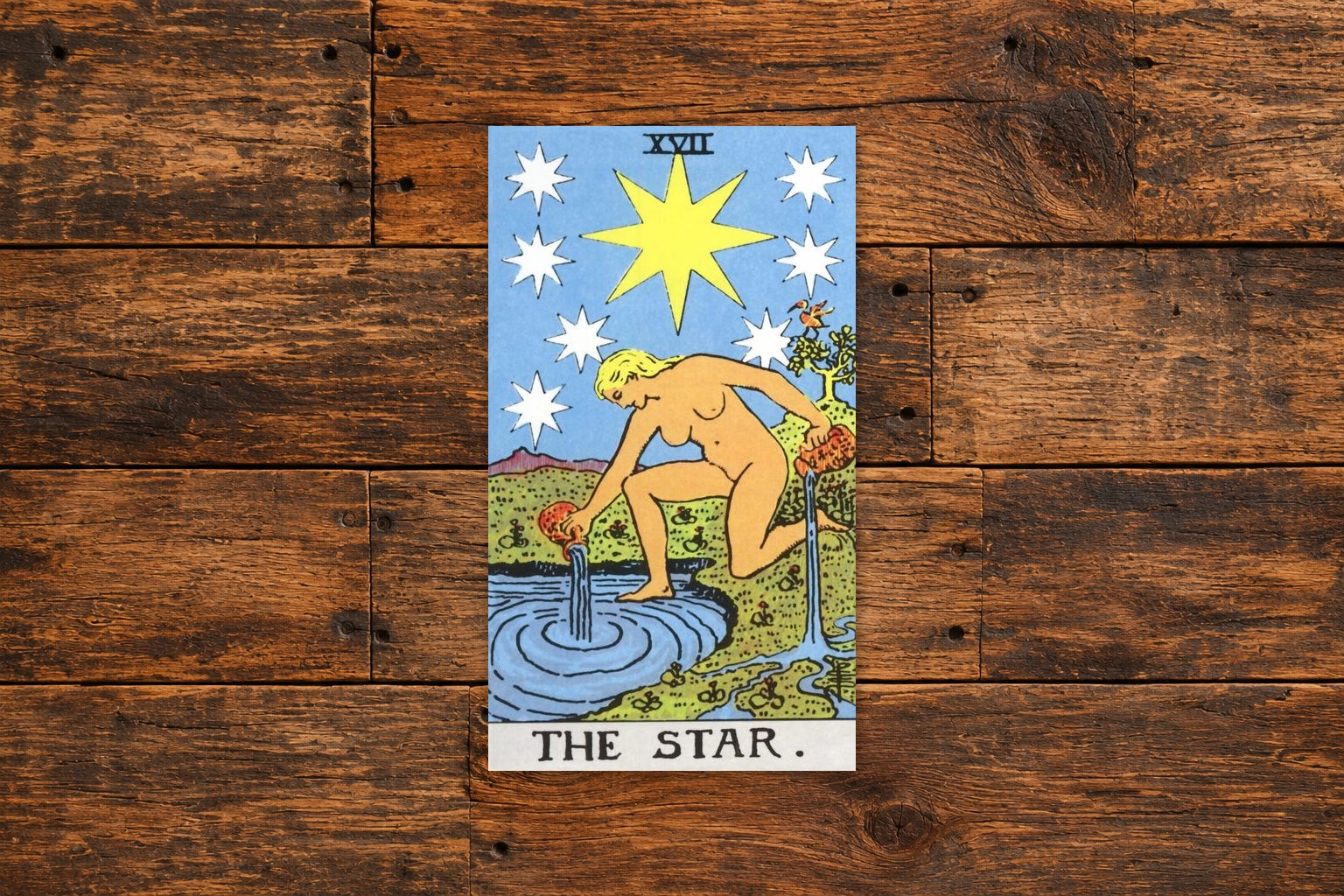
The Star is what forgiveness looks like when it's real. Not performed, not forced, not done because someone guilted you into it. The Star's figure is naked and kneeling — completely vulnerable, completely willing. The water pours freely. If this card appears, you're closer to genuine release than you think.
Questions Worth Asking the Cards
"What is this anger protecting me from?" Anger after betrayal isn't just an emotion. It's a guard. It keeps you from getting close enough to be hurt again. Sometimes the cards show you that the anger is still doing its job and you're not ready to put it down. The Nine of Wands — a figure clutching a staff, bruised, watching for the next hit — means your defenses are up for a reason.
"What would change in me if I forgave this?" Not what would change between you and them. What would change in you. The Ace of Cups says your capacity for connection would open up again. The Death card says a version of yourself that was built around this wound would end, and something new would take its place.
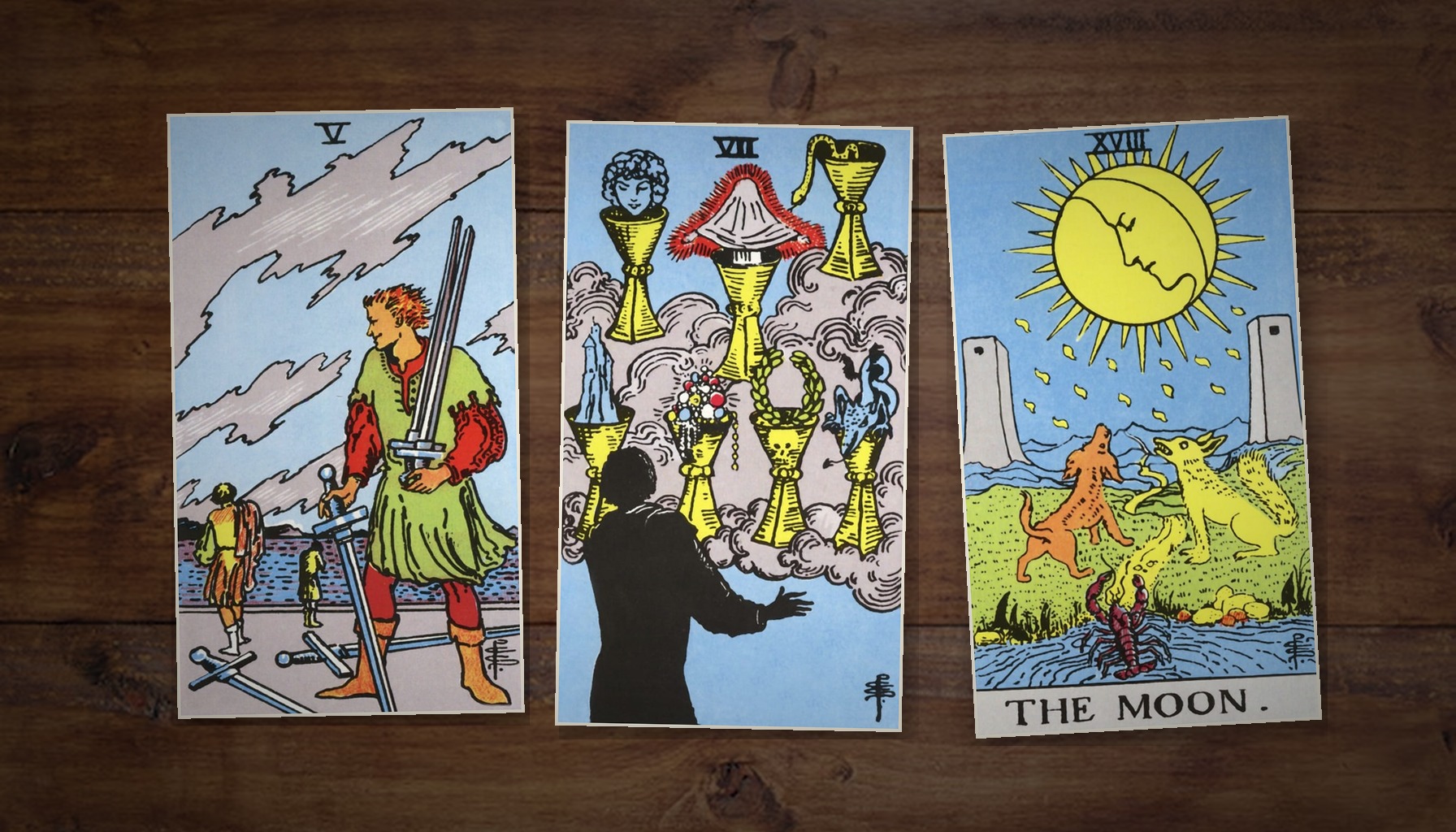
"Am I forgiving because I want to or because I think I should?" The Seven of Cups here means you're imagining a version of forgiveness that doesn't exist — the one where it's clean and complete and everyone feels good afterward. The Emperor means someone in authority (a parent, a therapist, a religious figure) is pressuring you toward a forgiveness you haven't chosen. The Two of Cups means this is about genuinely wanting the relationship back.
The Spread
Four cards. No positions pre-labelled, because forgiveness isn't linear.
Card 1: Where the wound is now. Not where it was. Where it is today. Sometimes the Ten of Swords shows up six years later and you realise you're still on the ground with ten blades in your back. Sometimes the Five of Cups has turned around and you're looking at the two cups without remembering when you stopped staring at the three.
Card 2: What they owe you. This card is uncomfortable. Forgiveness culture says nobody owes you anything, that expecting something from the person who hurt you keeps you trapped. But the cards don't lie about power. If the Seven of Swords shows up here, they took something from you and haven't given it back. If Justice appears, what they owe you is the truth.
Card 3: What forgiveness would cost you. Because it costs something. The Six of Swords — moving away from turbulent water toward calm — shows that forgiveness means leaving the story behind, and you've built part of your identity around that story. The Tower says forgiving this person would demolish a belief system you've been living inside.
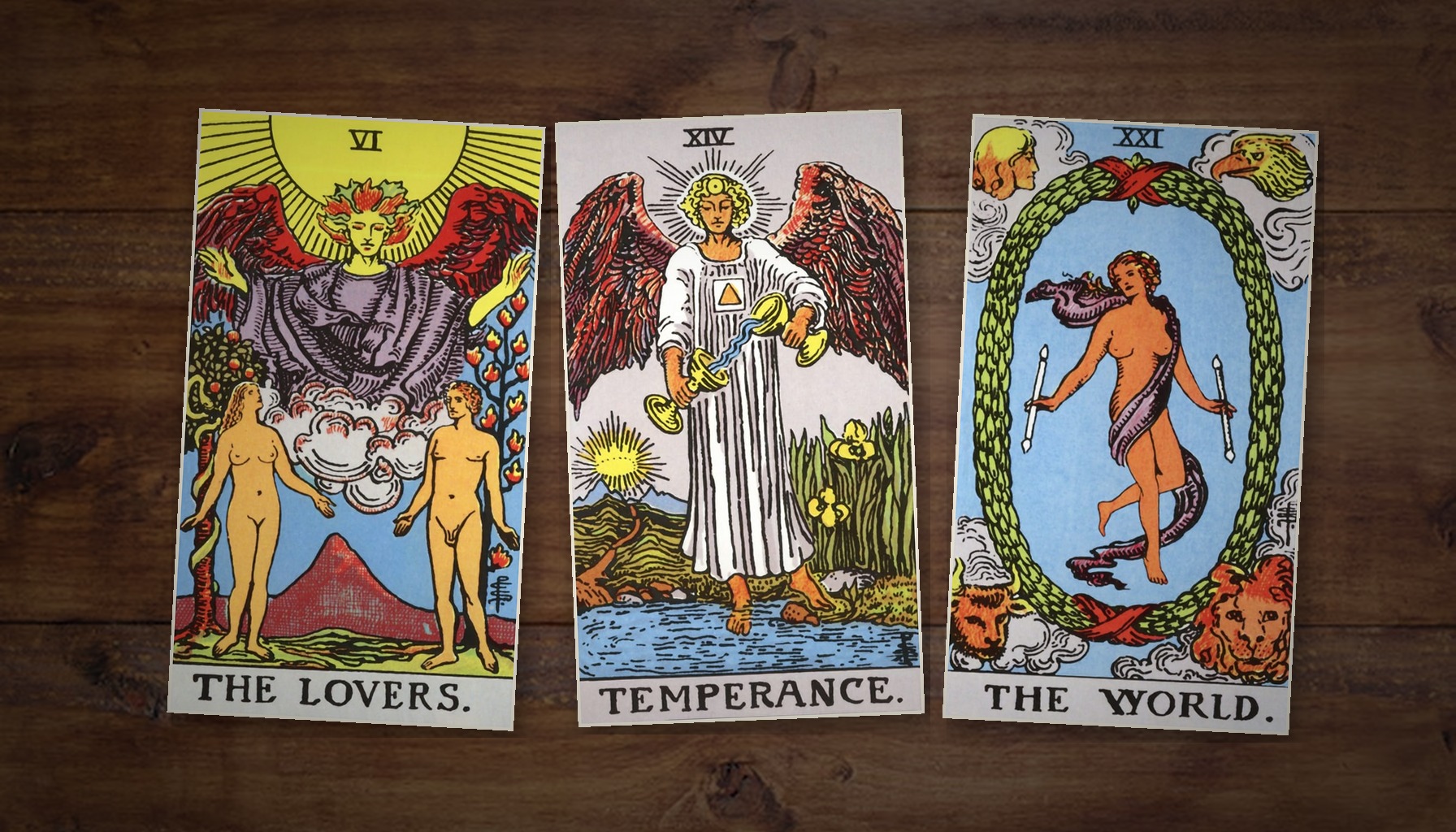
Card 4: What's on the other side. Not a guarantee. A possibility. Temperance means balance restored. The World means completion. The Four of Swords means peace, real peace, the kind where you don't think about it every day anymore.
What If the Cards Say Don't
Sometimes the reading is clear: you're not ready, the other person hasn't done the work, or the wound is the kind that doesn't close with forgiveness. It closes with distance.
The Eight of Cups shows someone walking away from eight stacked cups under a moon. They're not angry. They're not dramatic about it. They've just decided that what's behind them isn't worth going back to. This is what it looks like when the answer to "should I forgive them" is "you should leave this whole thing on the riverbank and keep walking."
That's a valid reading. The cards don't have a bias toward reconciliation. They have a bias toward honesty, and sometimes the honest answer is: this one doesn't get forgiven. It gets survived.
If you're working through something a specific person did, tarot for toxic relationships covers the cards that show up when the damage was deliberate. And tarot for letting go is for when you've already decided but can't quite release your grip.