Learn Tarot
All 78 cards — what they mean, what they look like, and how to read them. Start anywhere.
Major Arcana
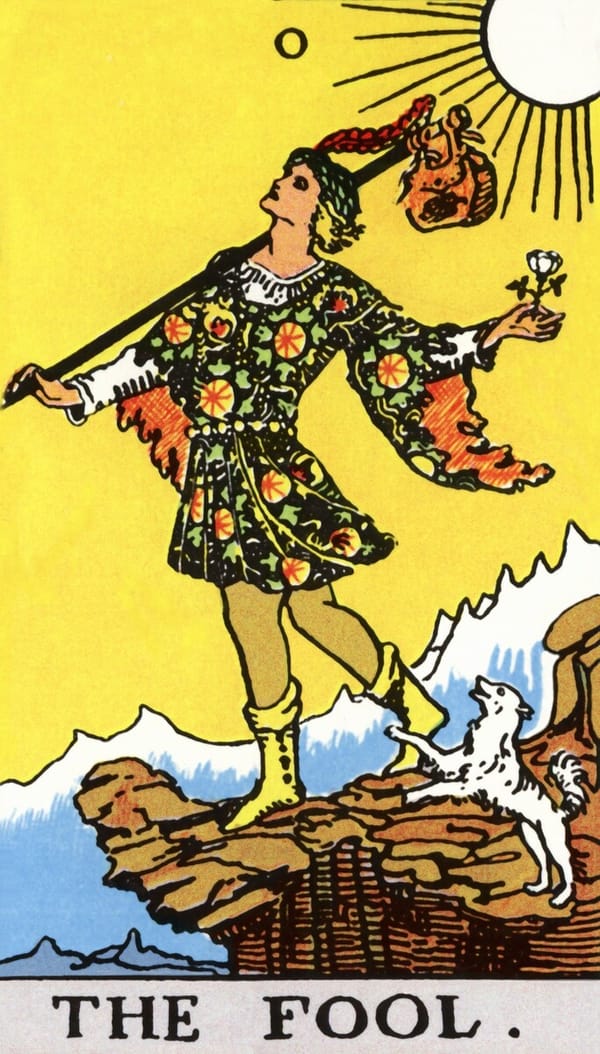
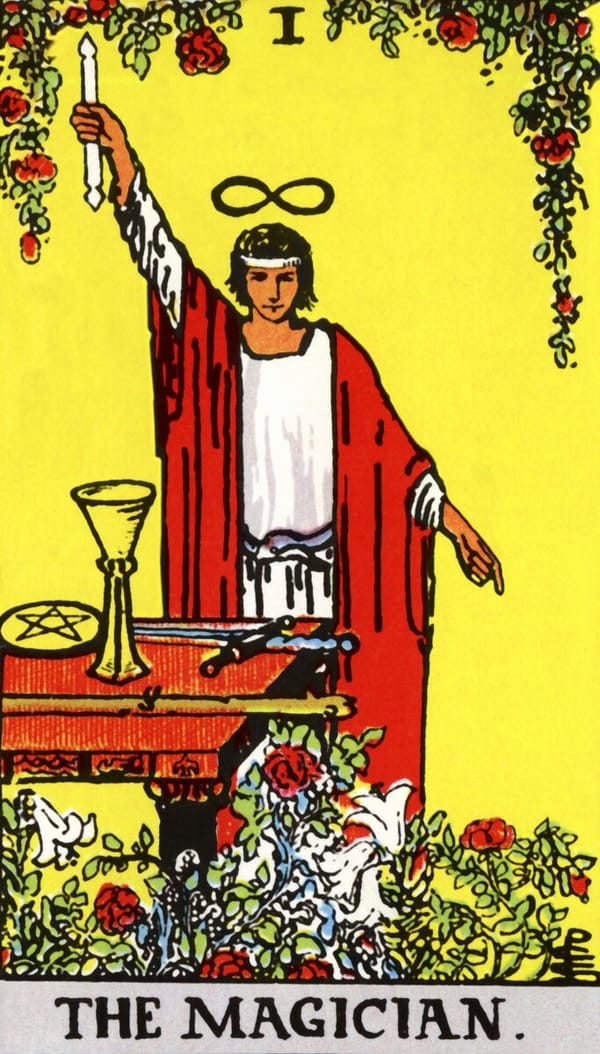
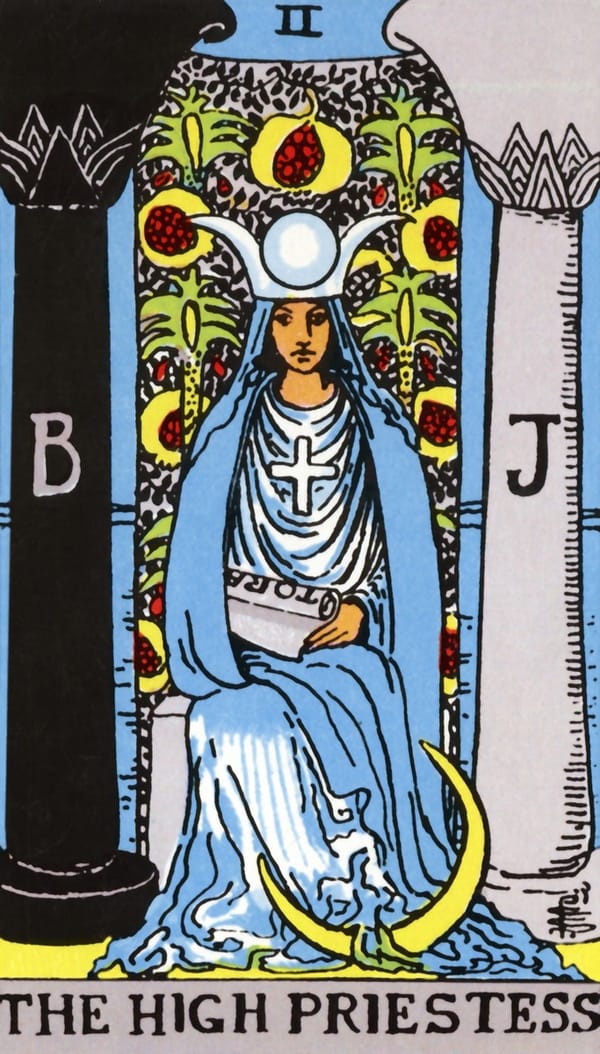
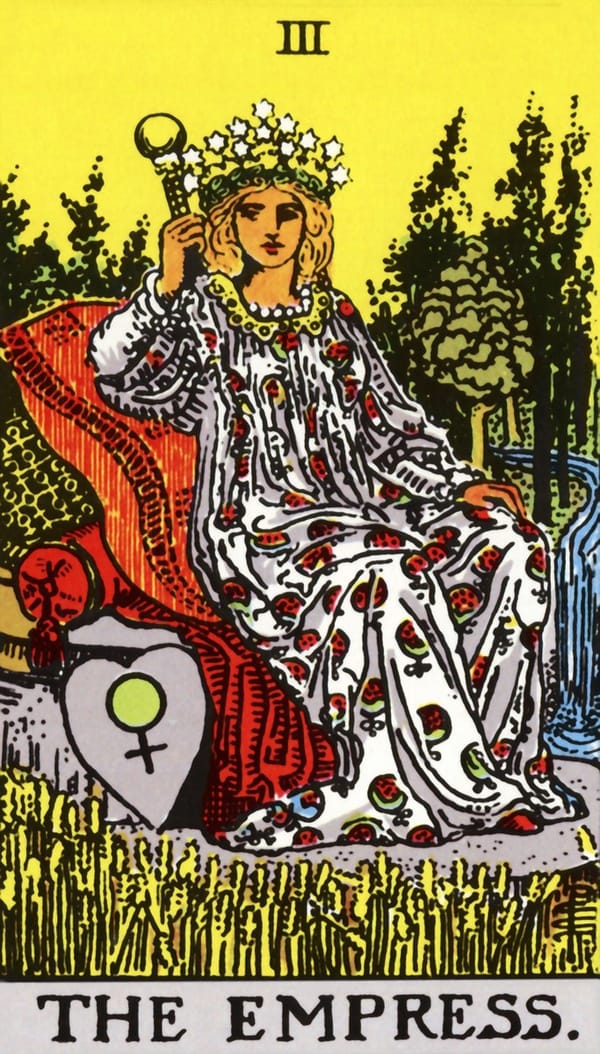
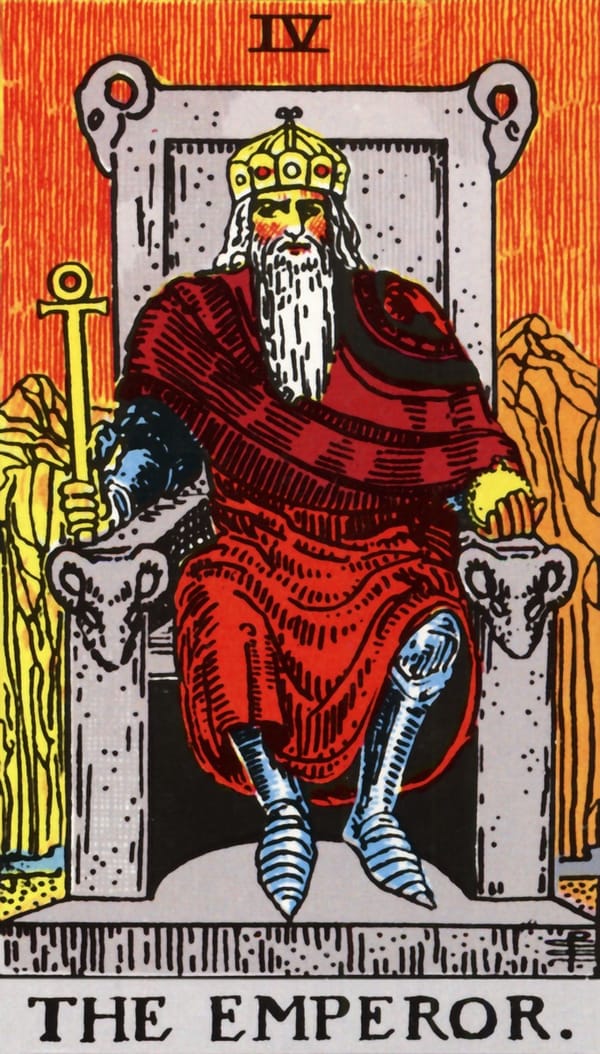
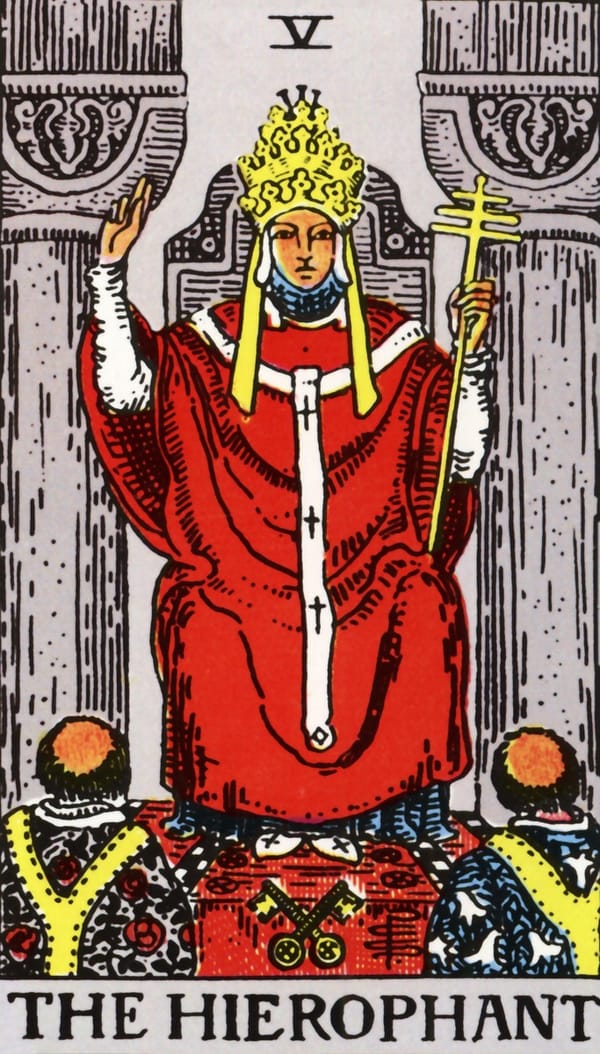
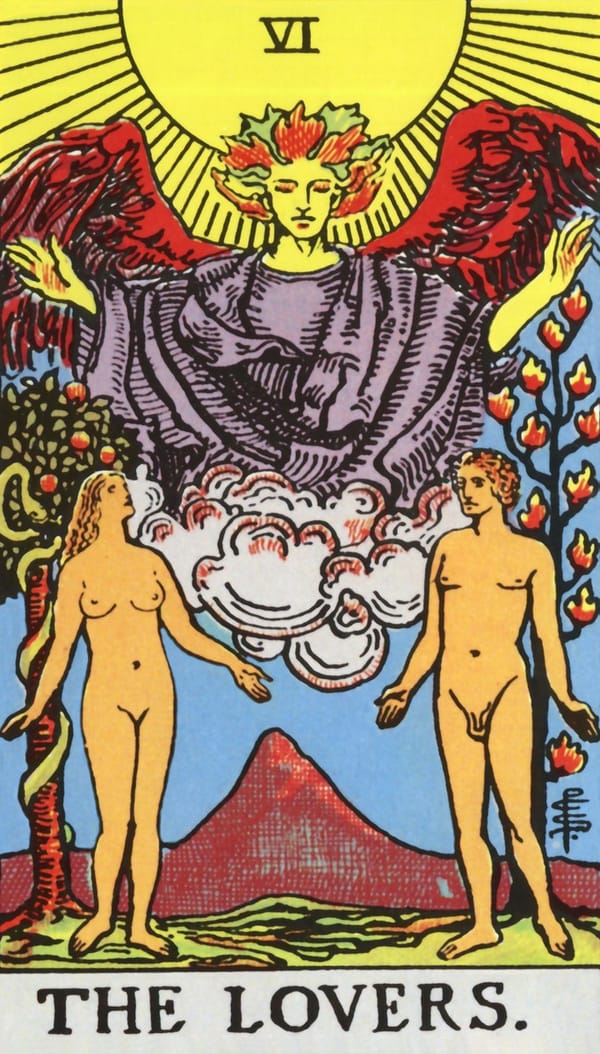
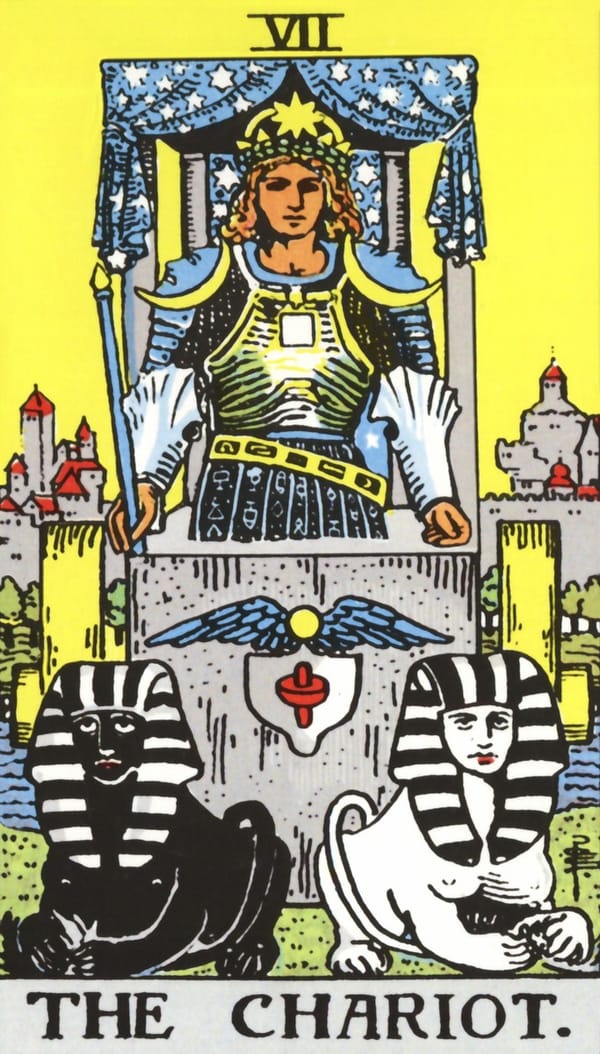
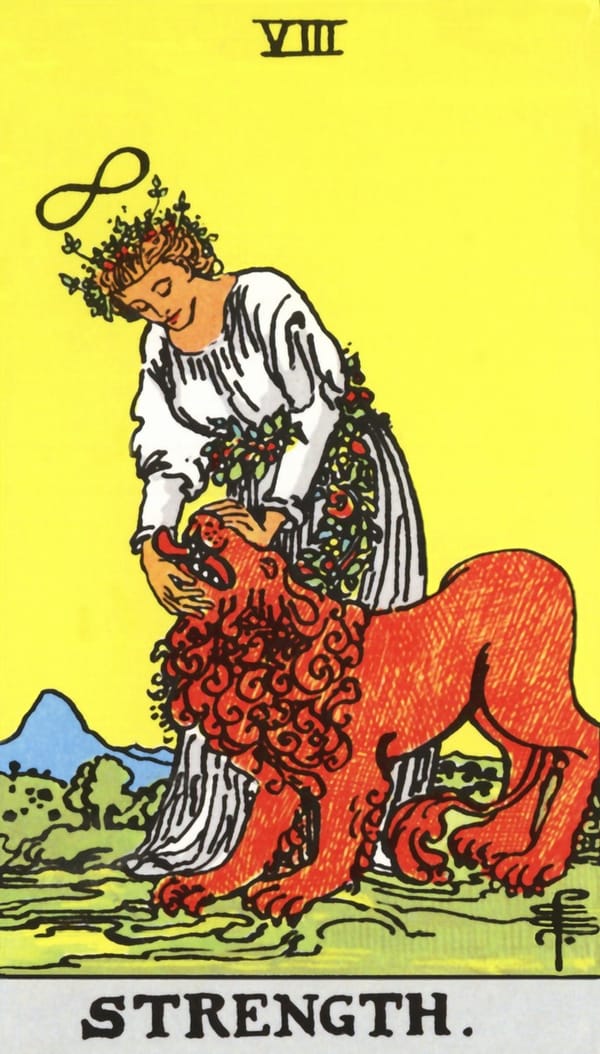
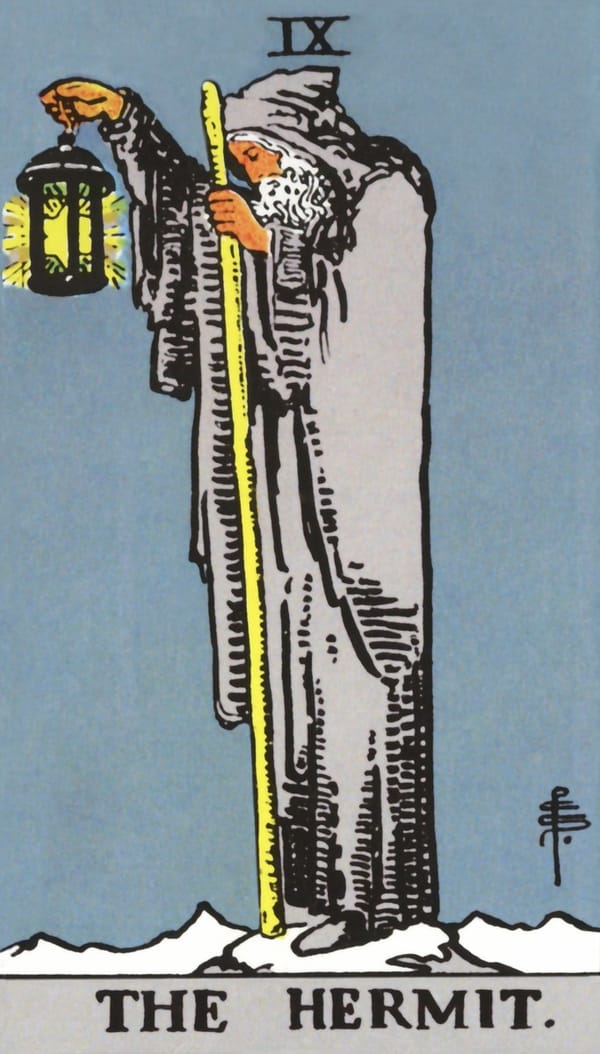
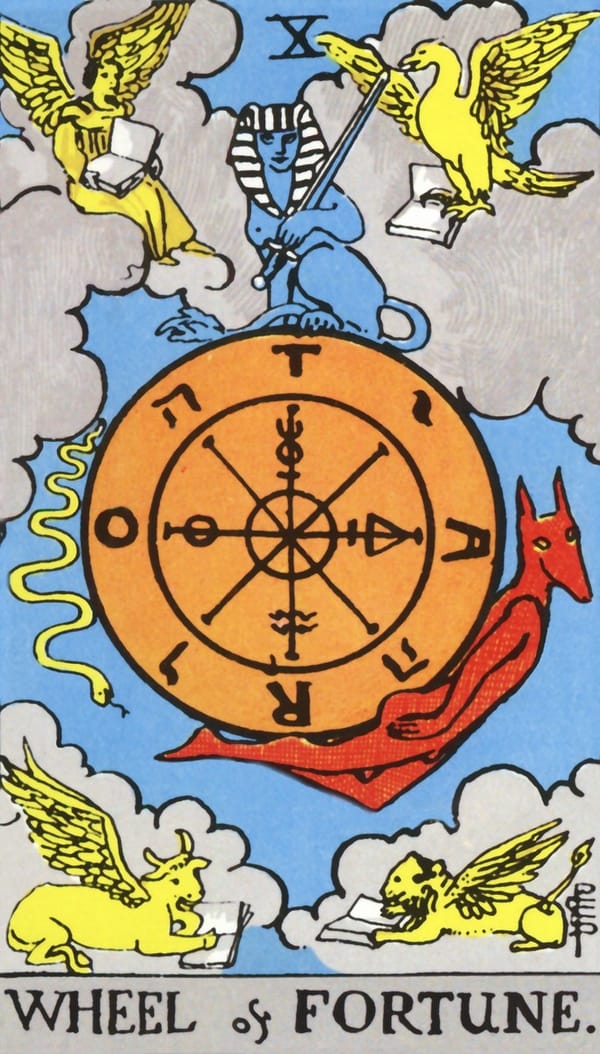
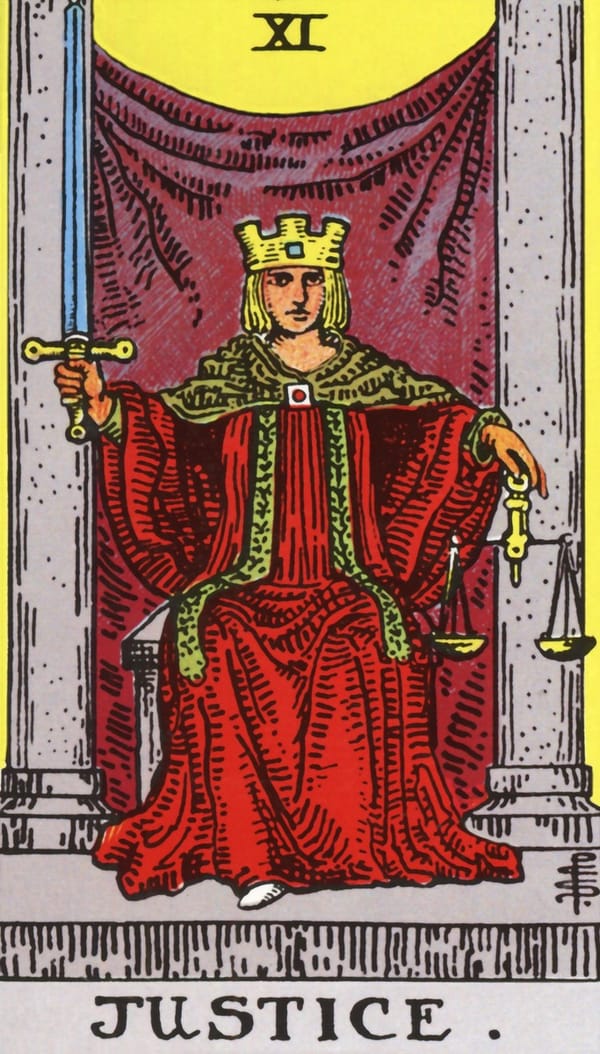
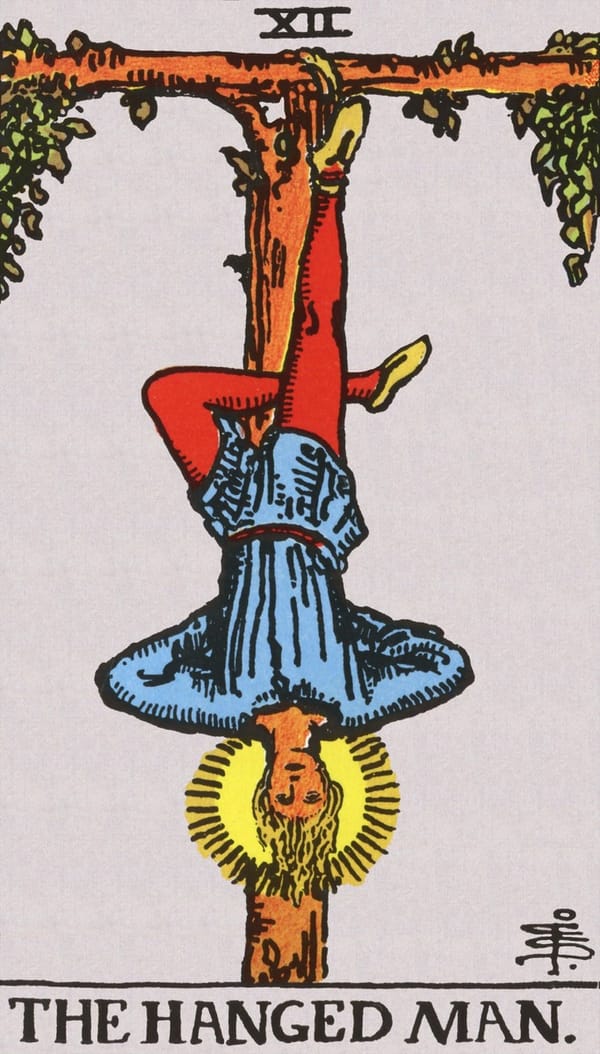
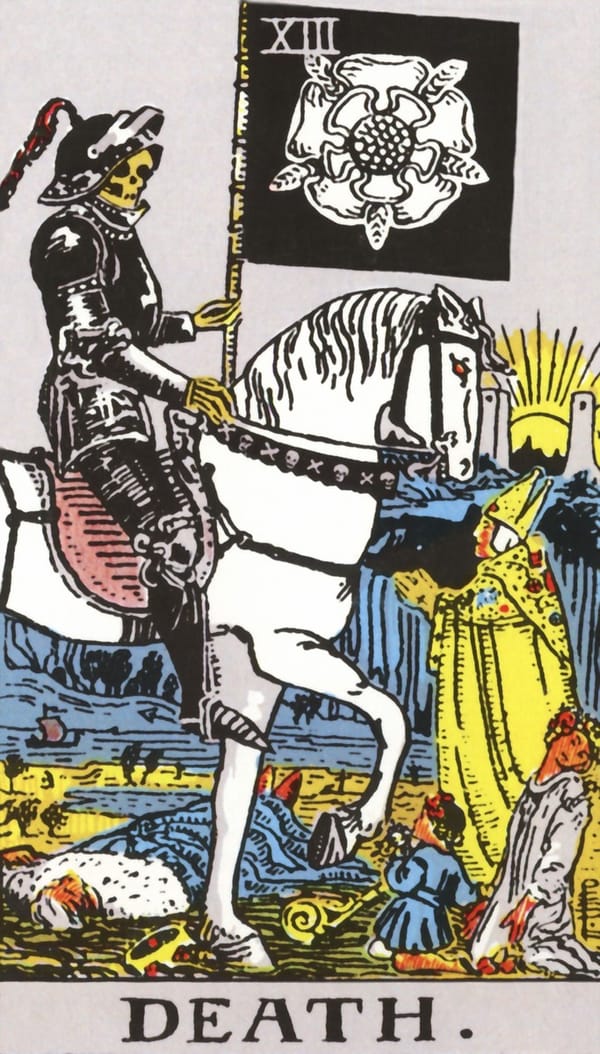
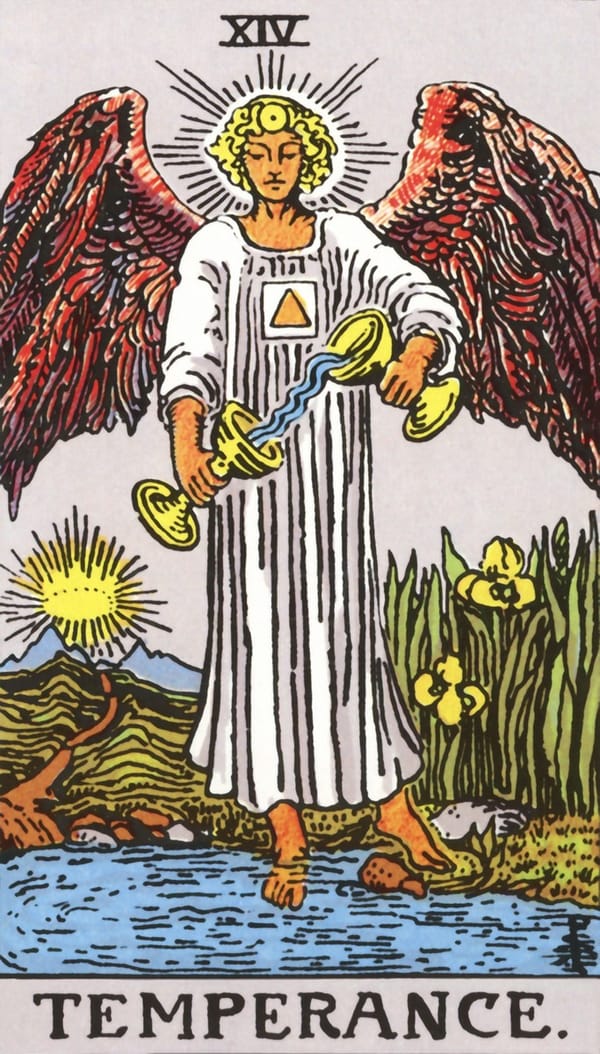
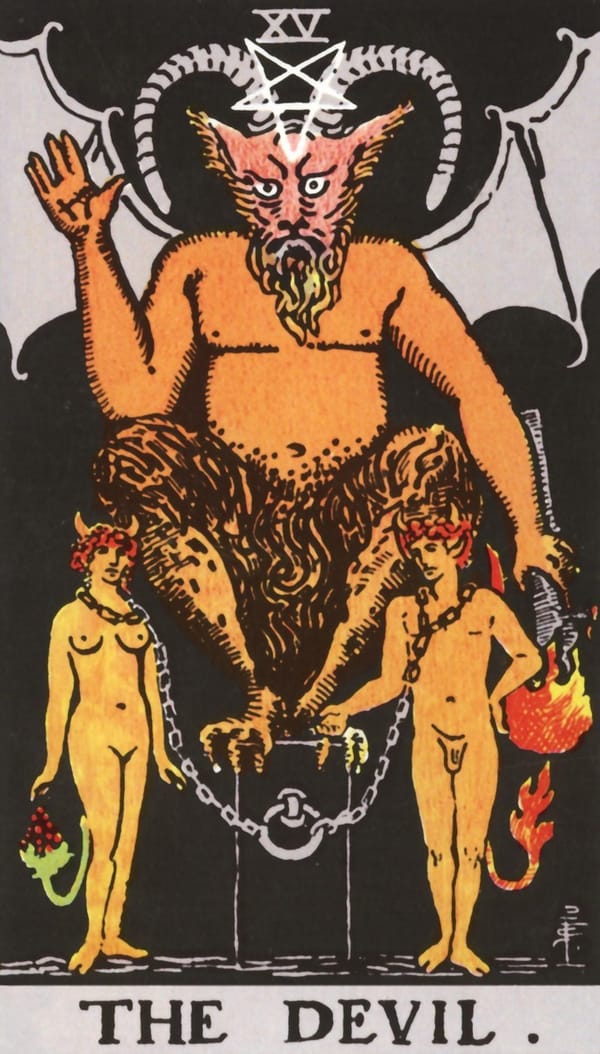
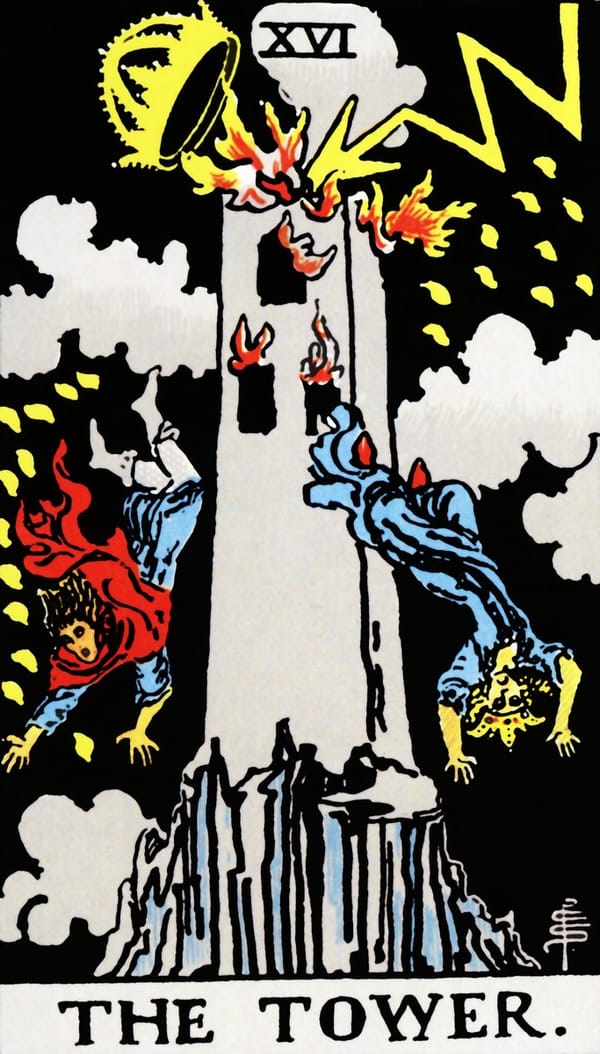
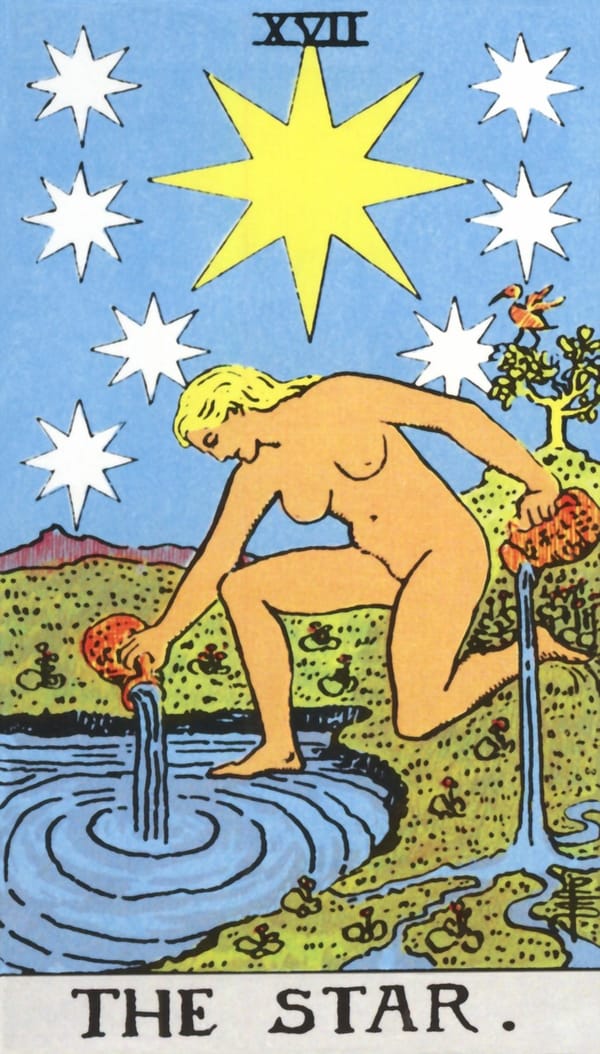
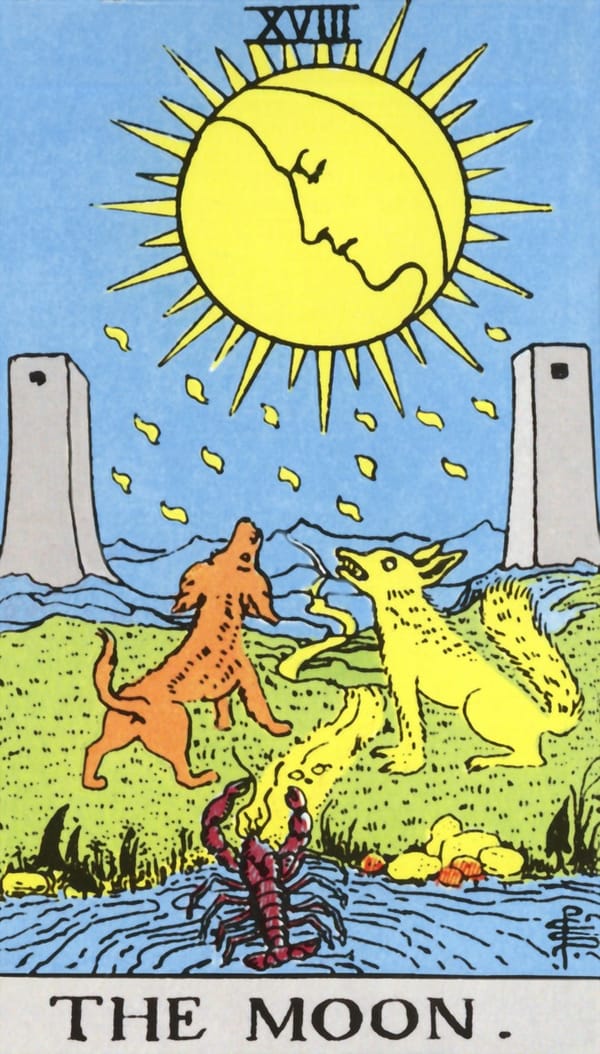
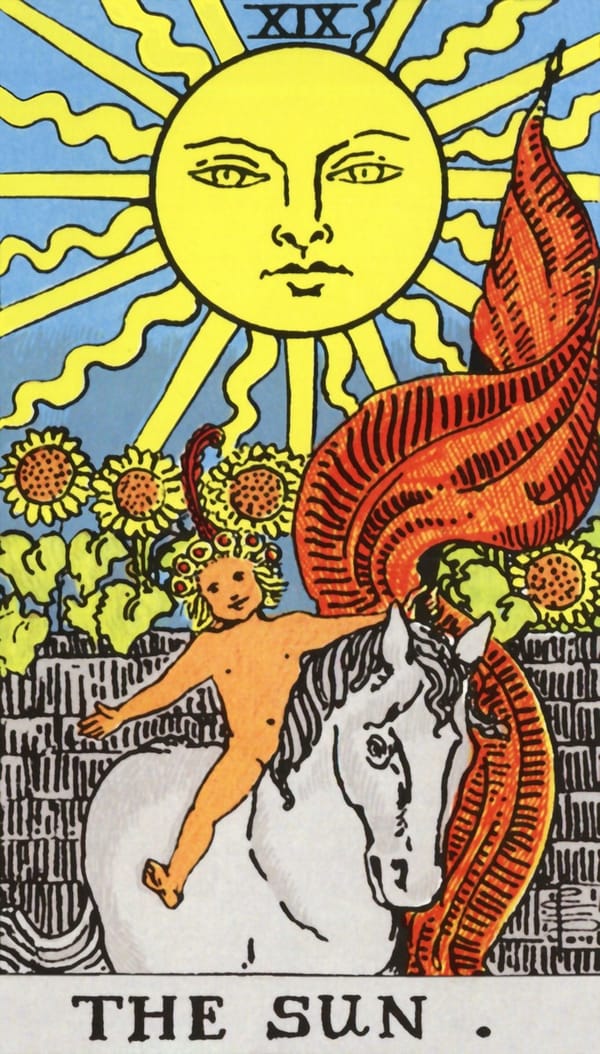
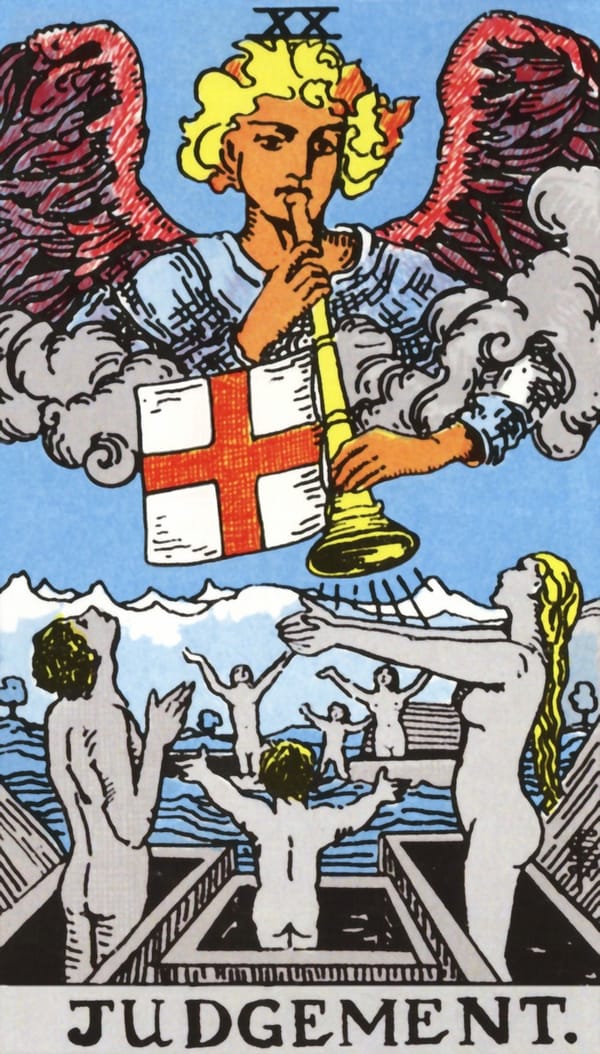
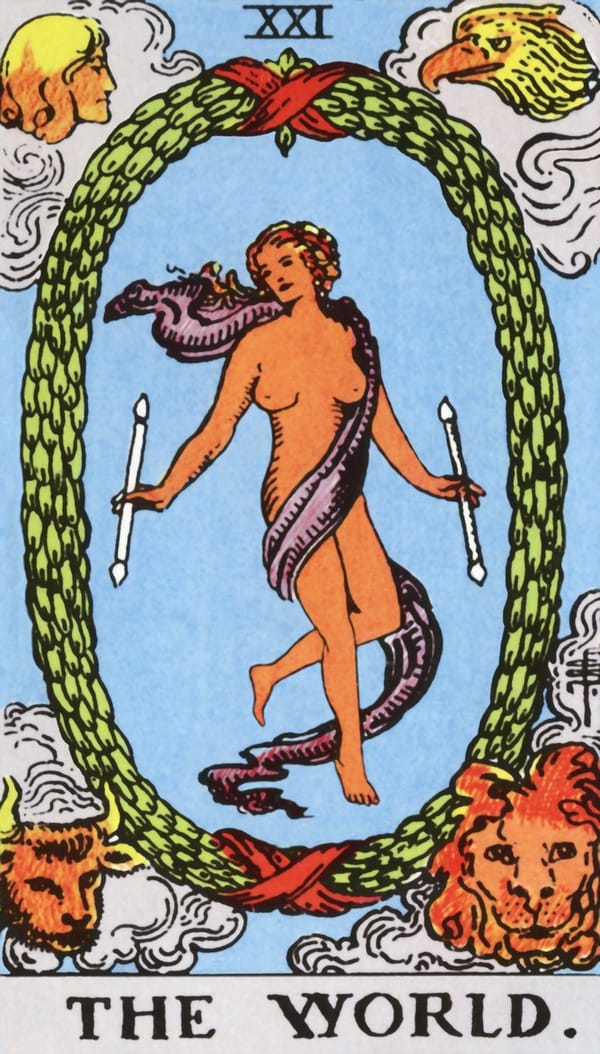
The Major Arcana is the backbone of the deck — 22 cards numbered 0 to 21, each one a major life theme or turning point. When these cards show up, they're not talking about what happened at work on Tuesday. They're talking about the bigger arc: who you're becoming, what cycle you're in, what you can't avoid dealing with anymore. The Fool through The World traces a full journey from naive beginnings to hard-won wholeness. You don't have to read them in order, but knowing the sequence helps — it tells you where you are in the story.
Wands
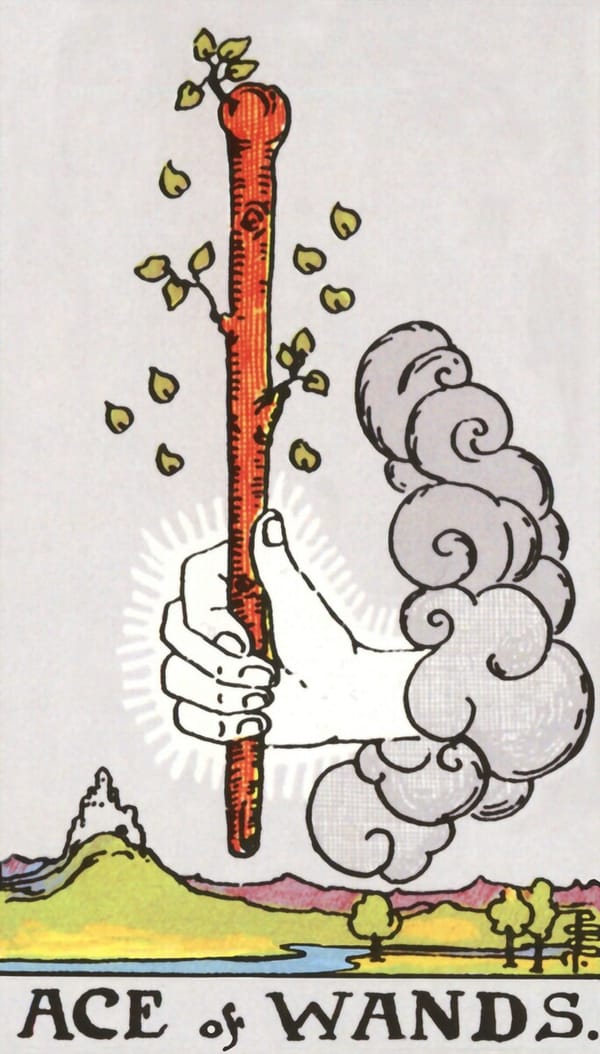
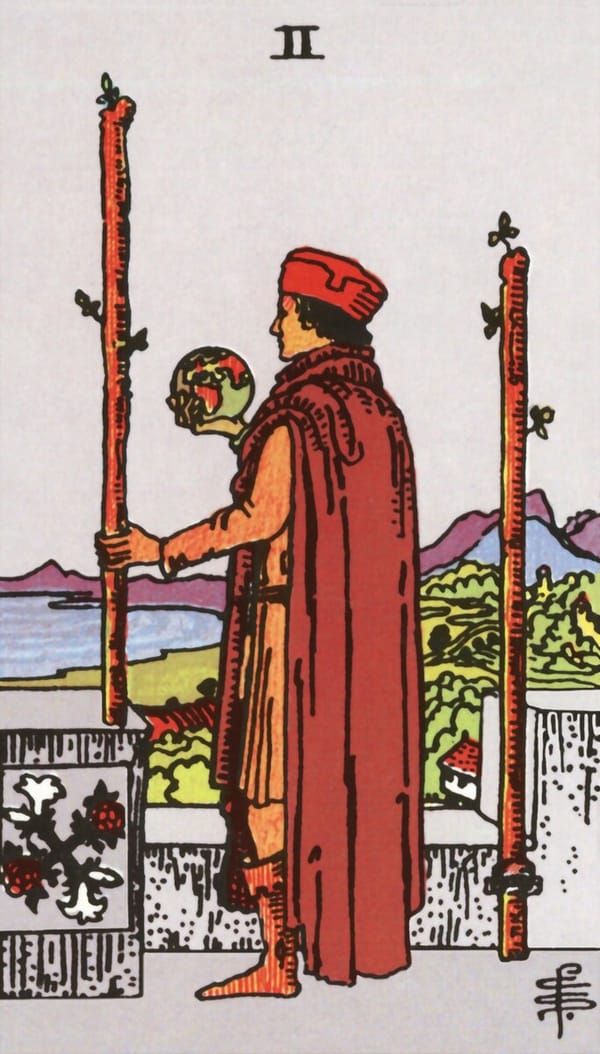
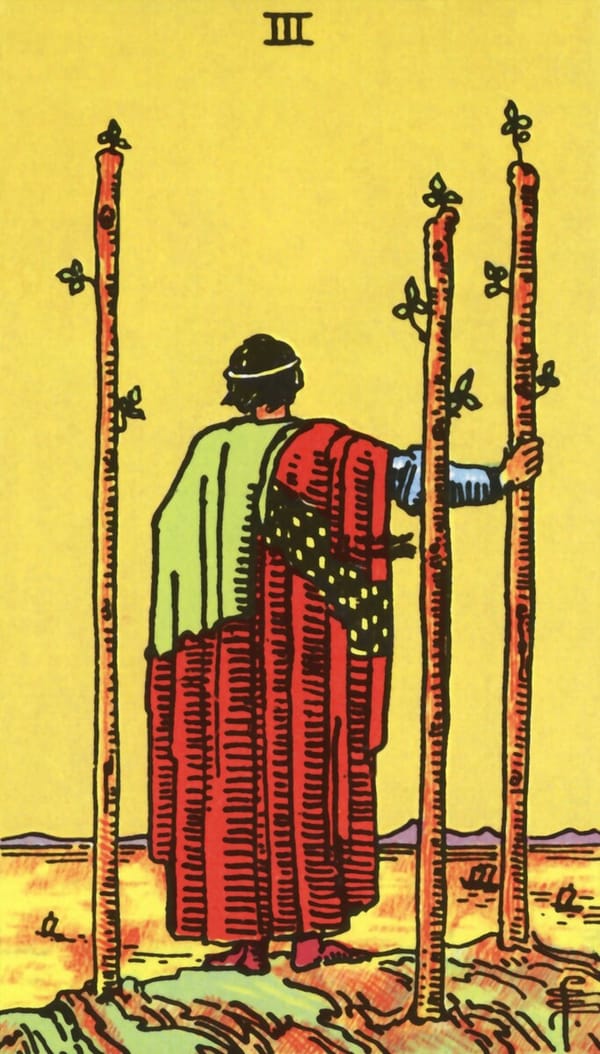
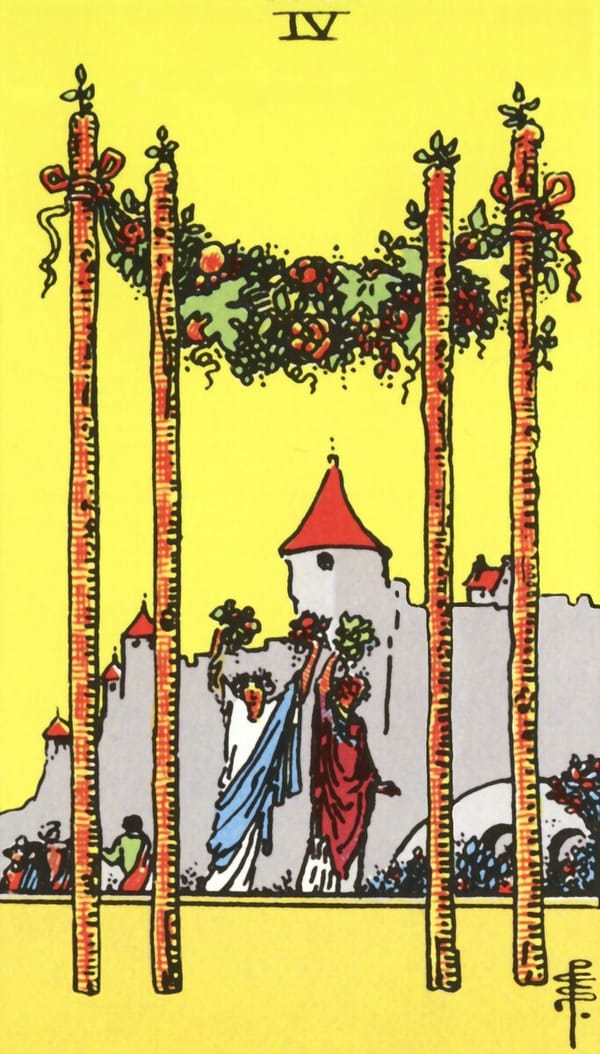
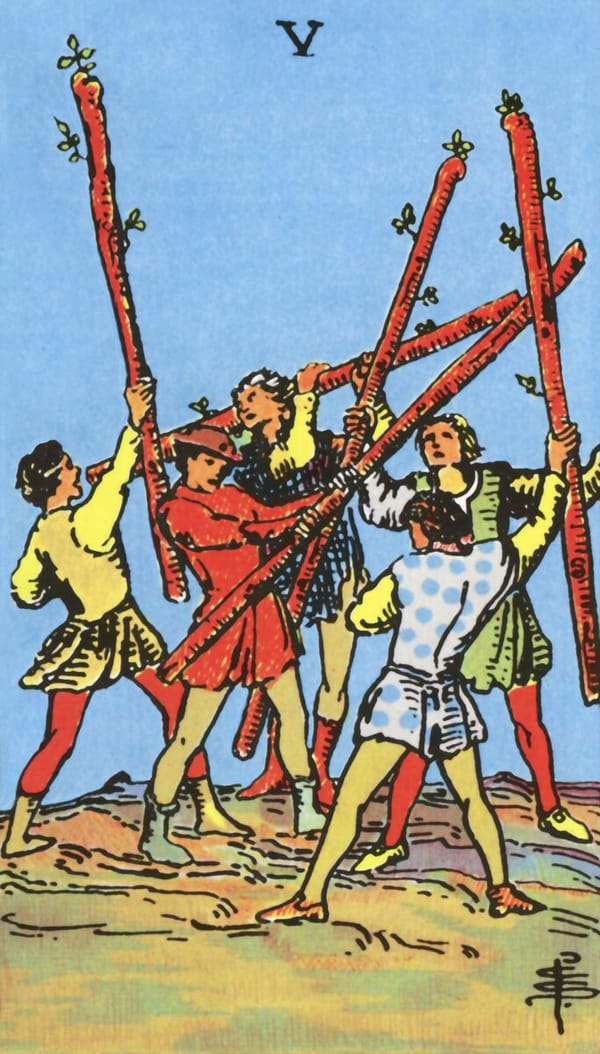
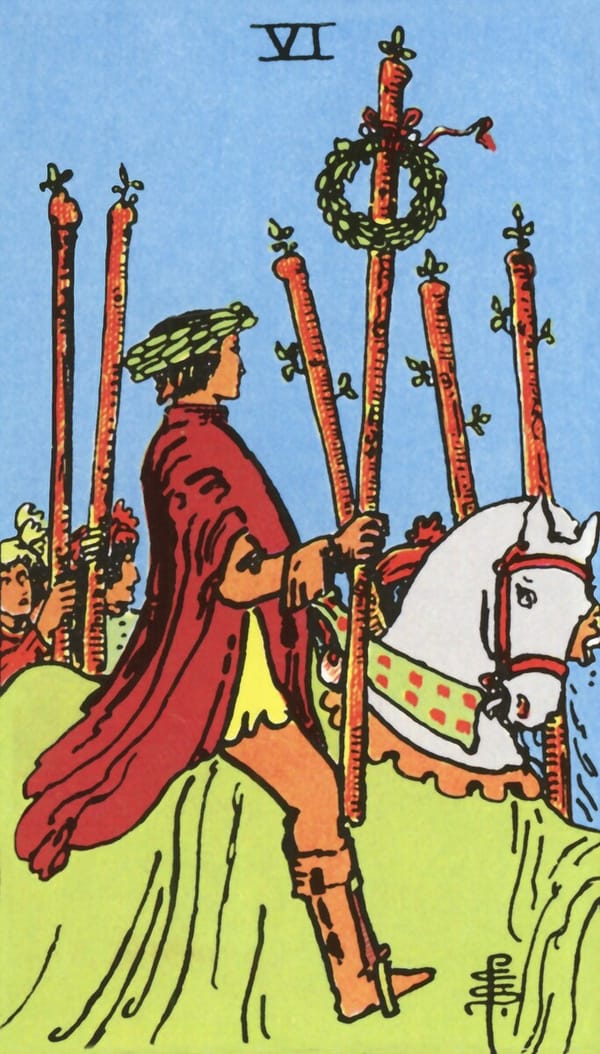
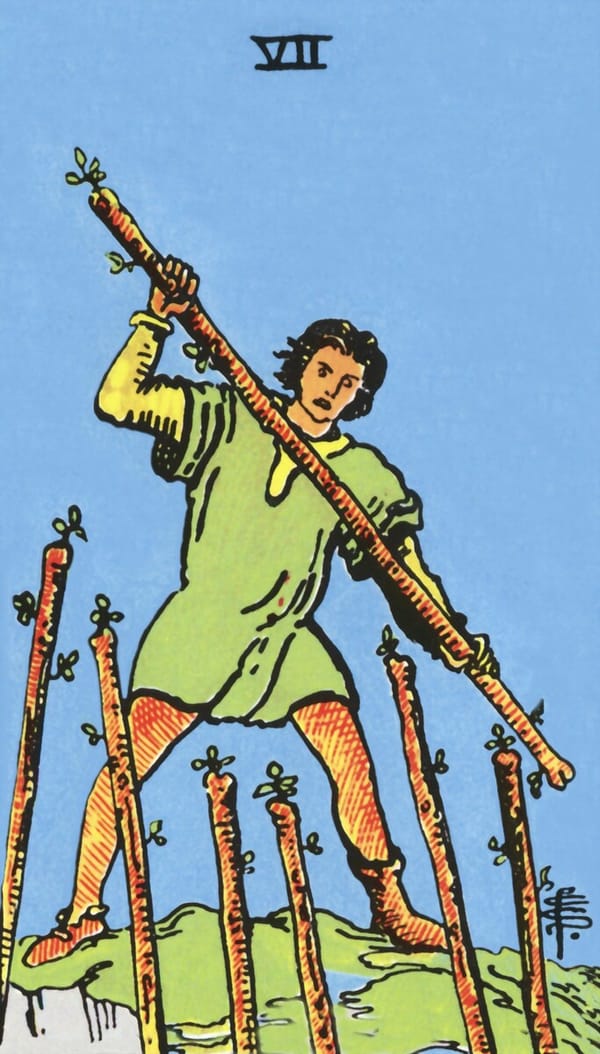
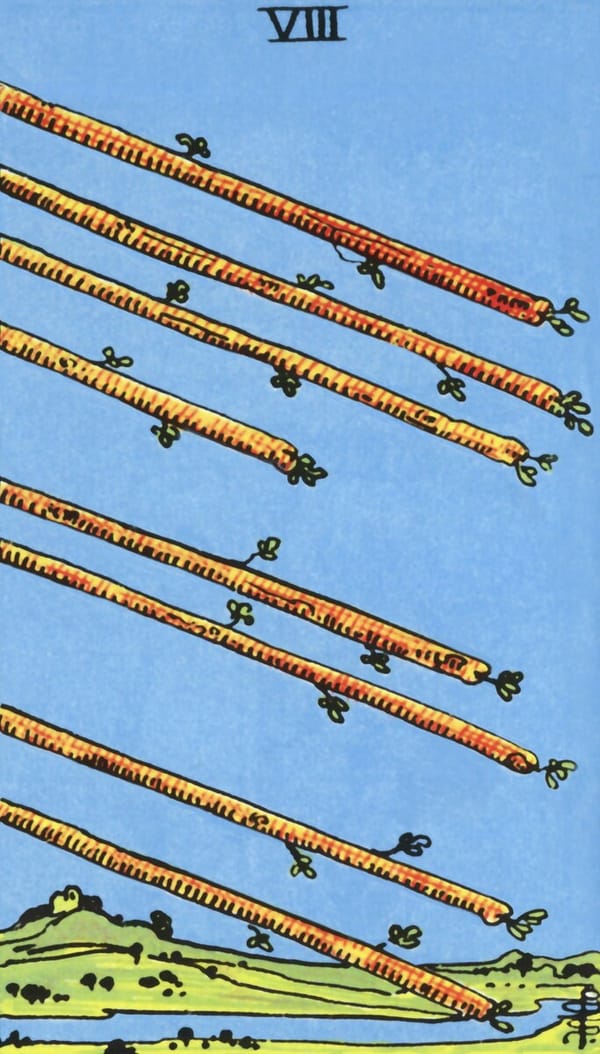
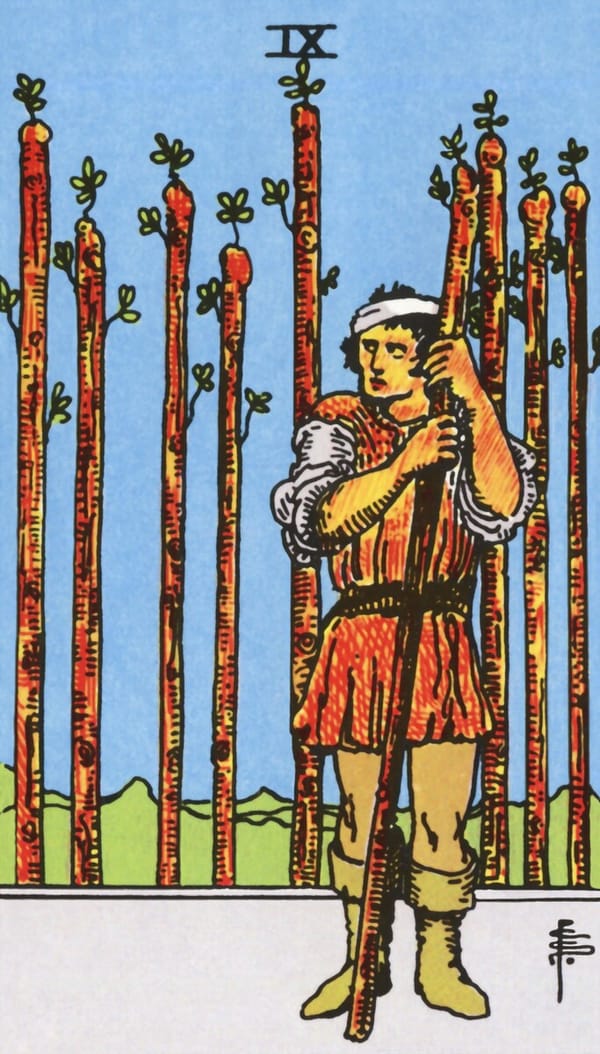
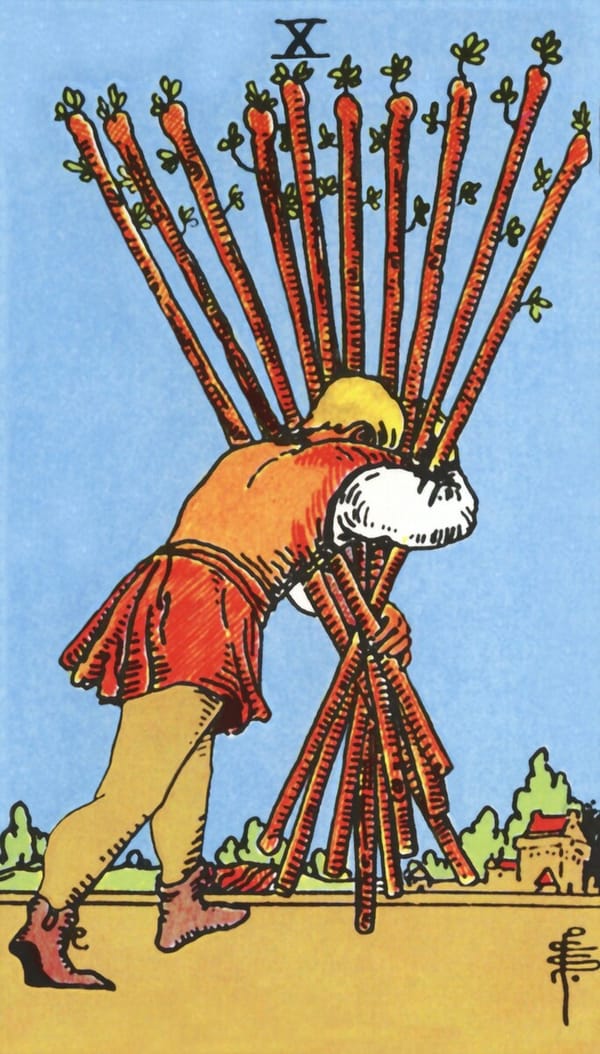
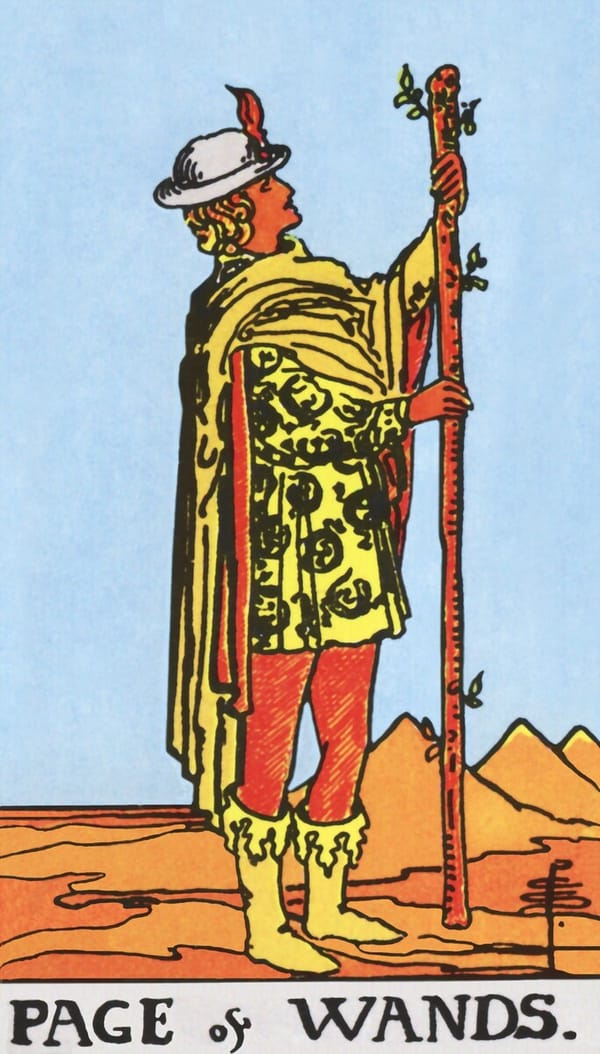
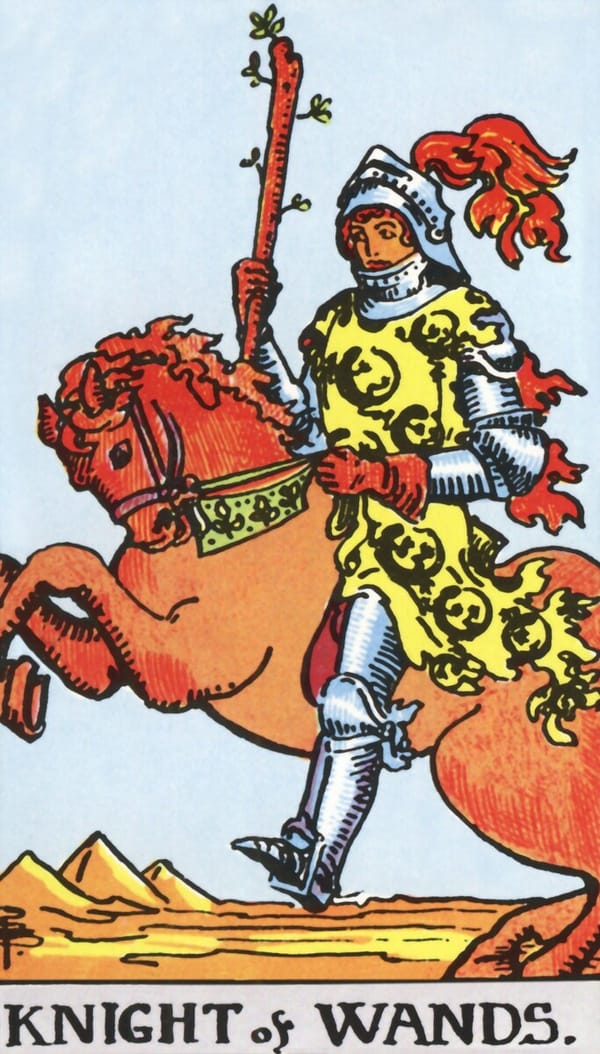
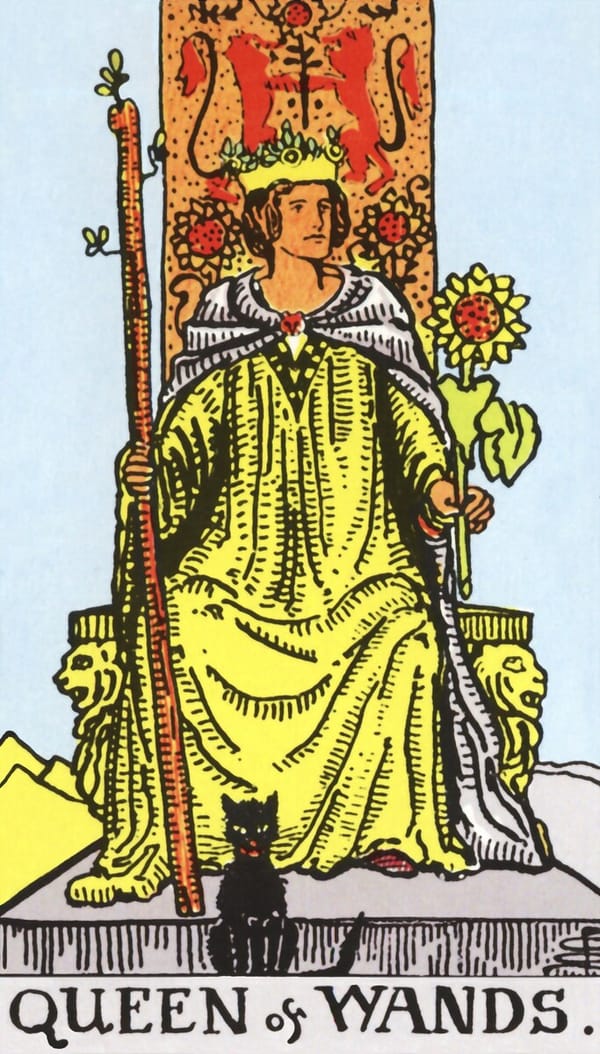
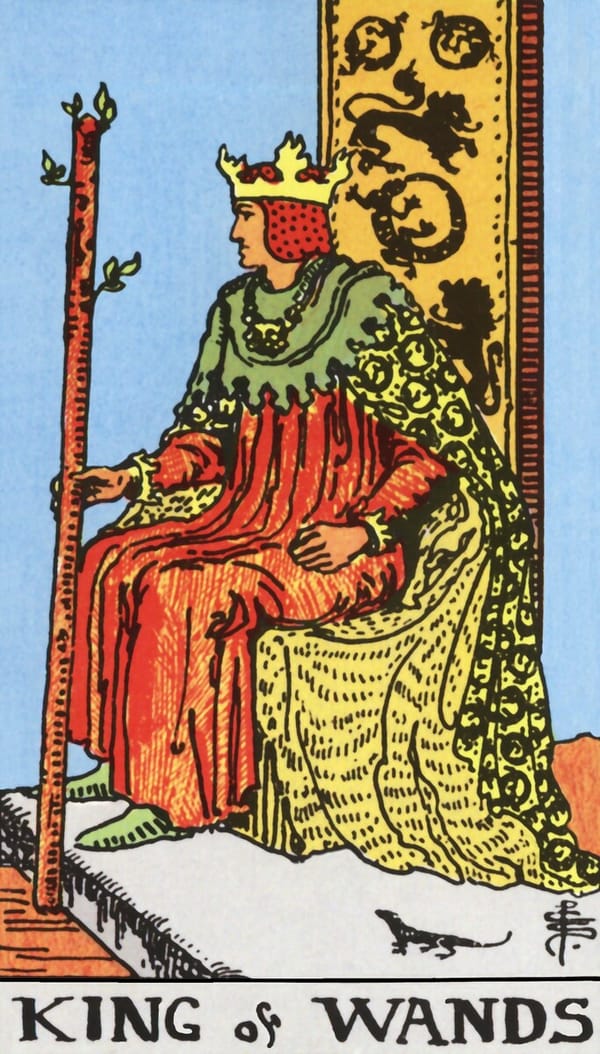
Element: FireWands are the fire suit — ambition, creativity, drive, and everything that makes you want to do something. These cards show up around career moves, passion projects, new ideas, and moments when you're figuring out what you actually want. The low-numbered Wands cards are about sparks and early momentum. The higher ones get into the complications of sustaining that energy — the burnout, the competition, the question of whether you can actually carry what you started. Court cards here (Page, Knight, Queen, King) tend to represent either people with fiery personalities or different stages of how you're pursuing something.
Cups
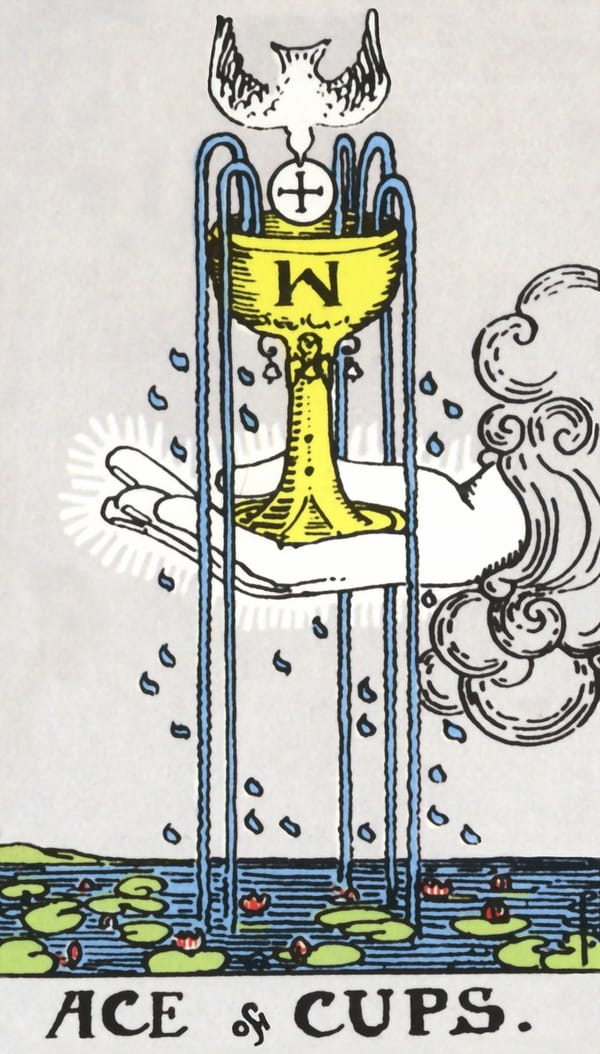
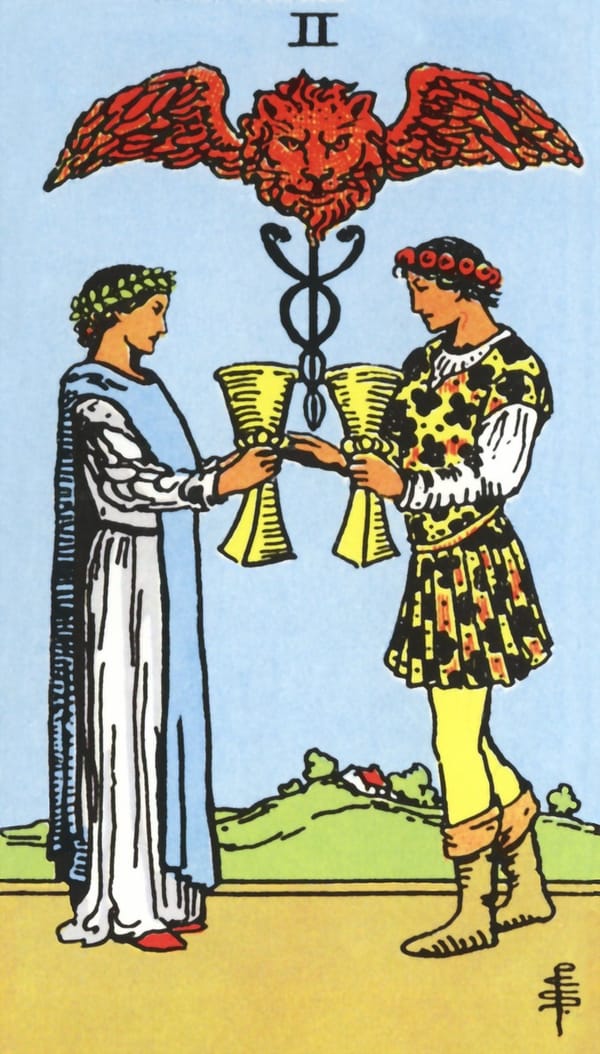
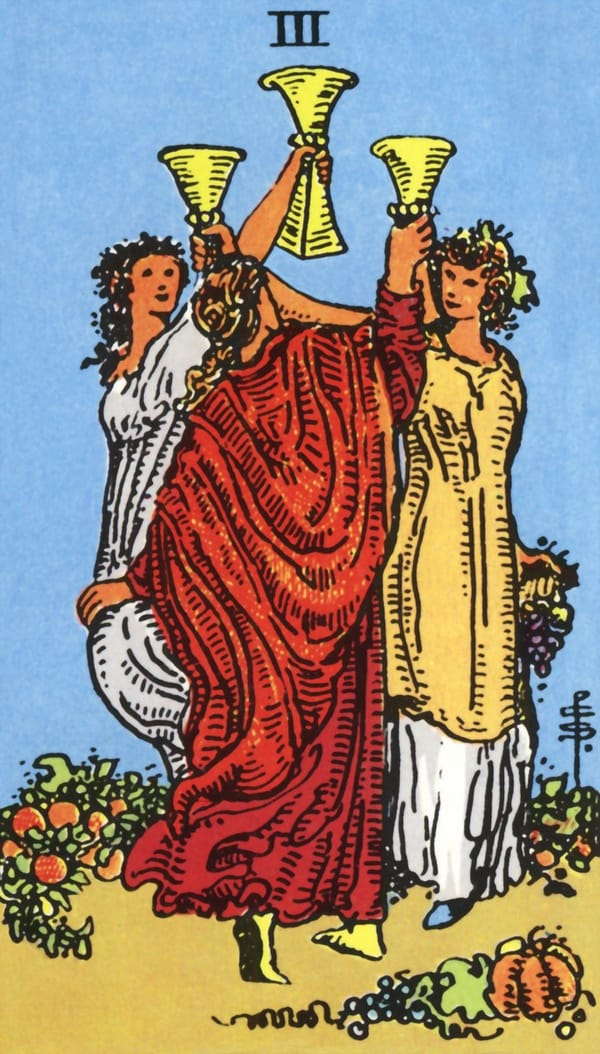
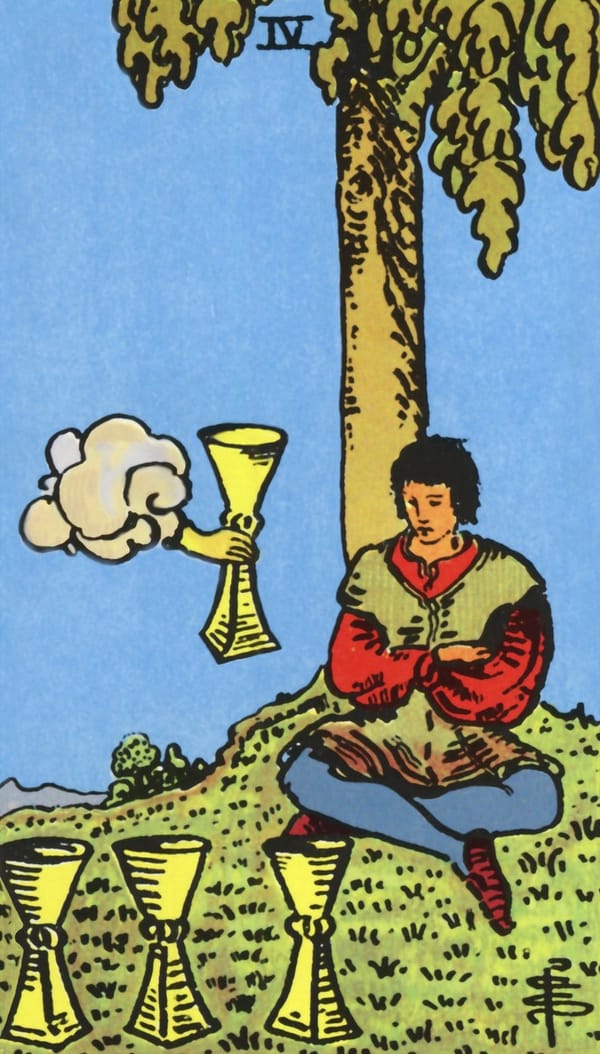
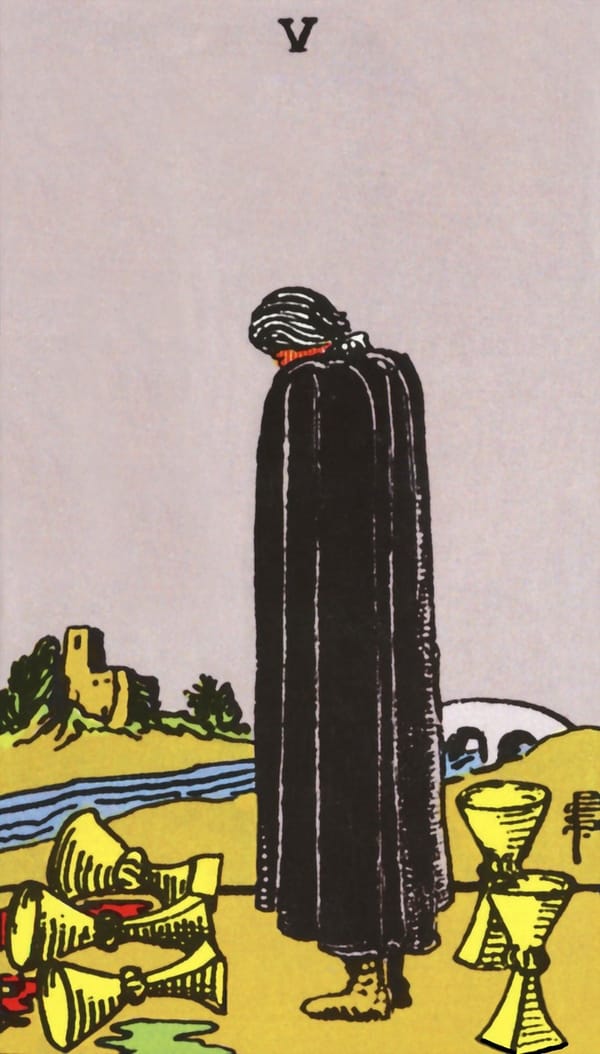
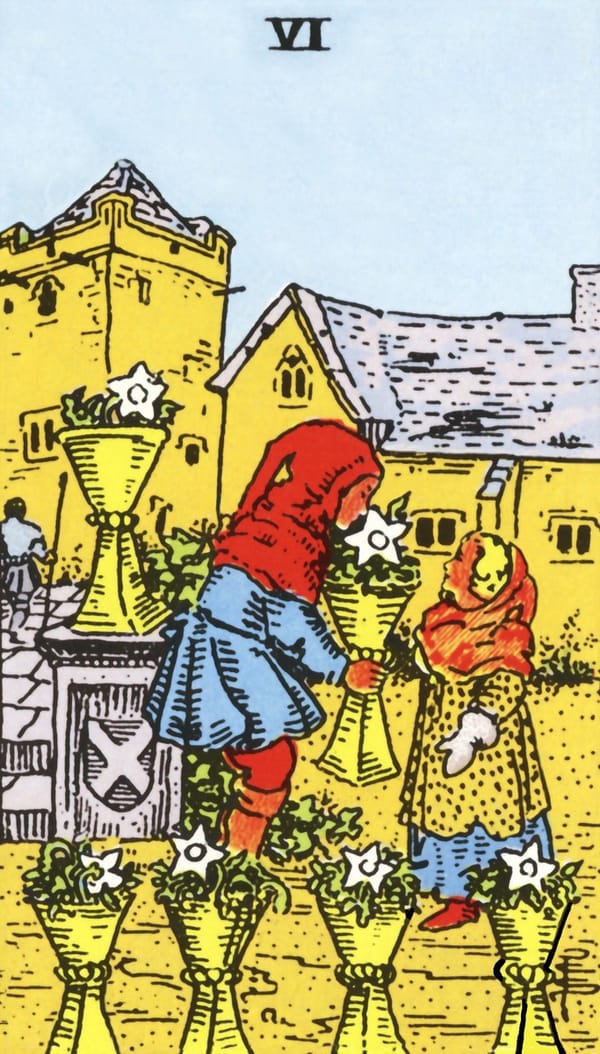
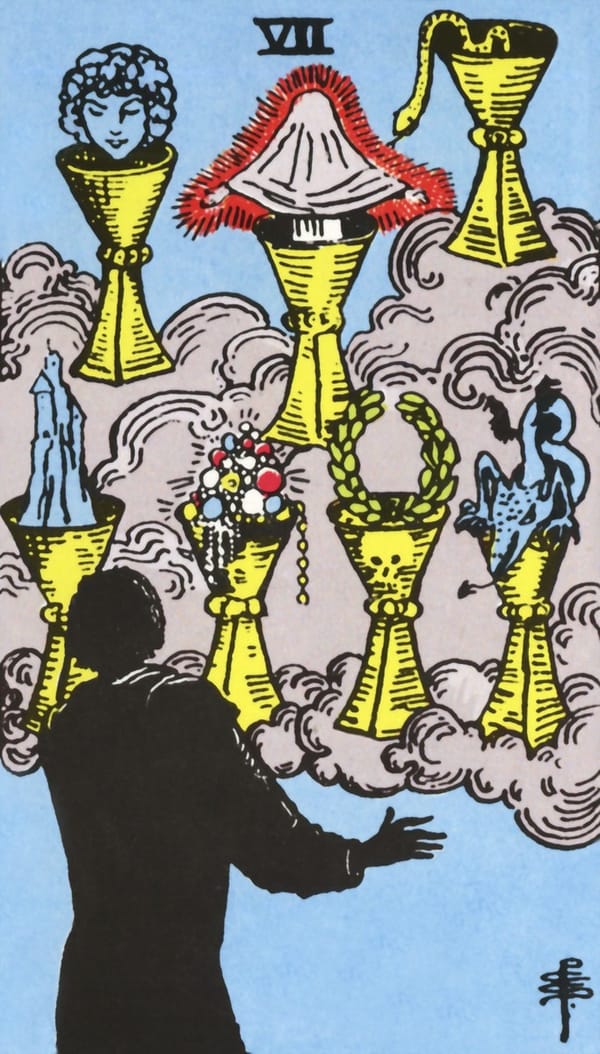
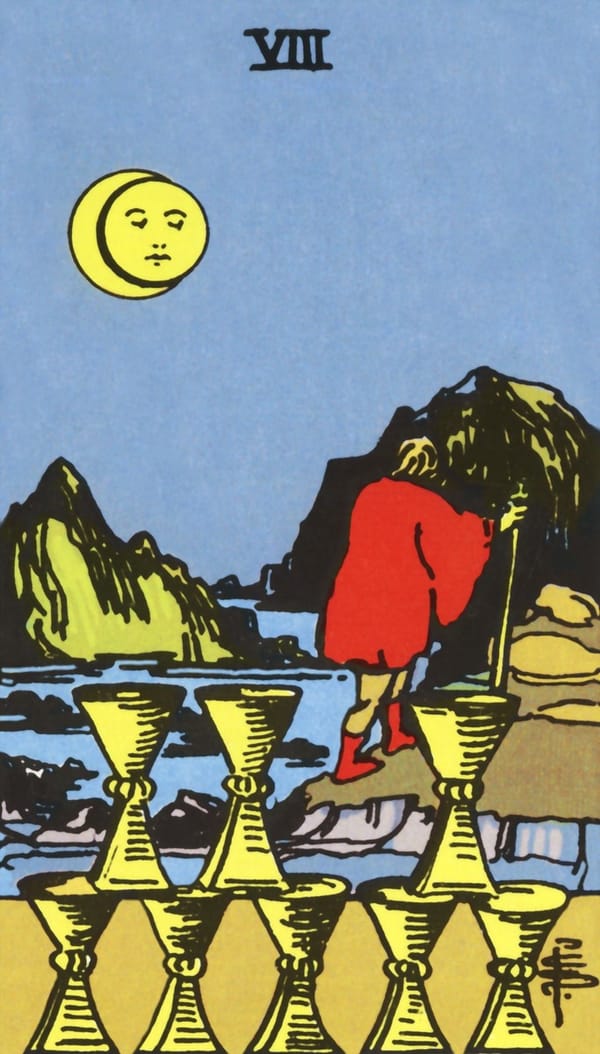
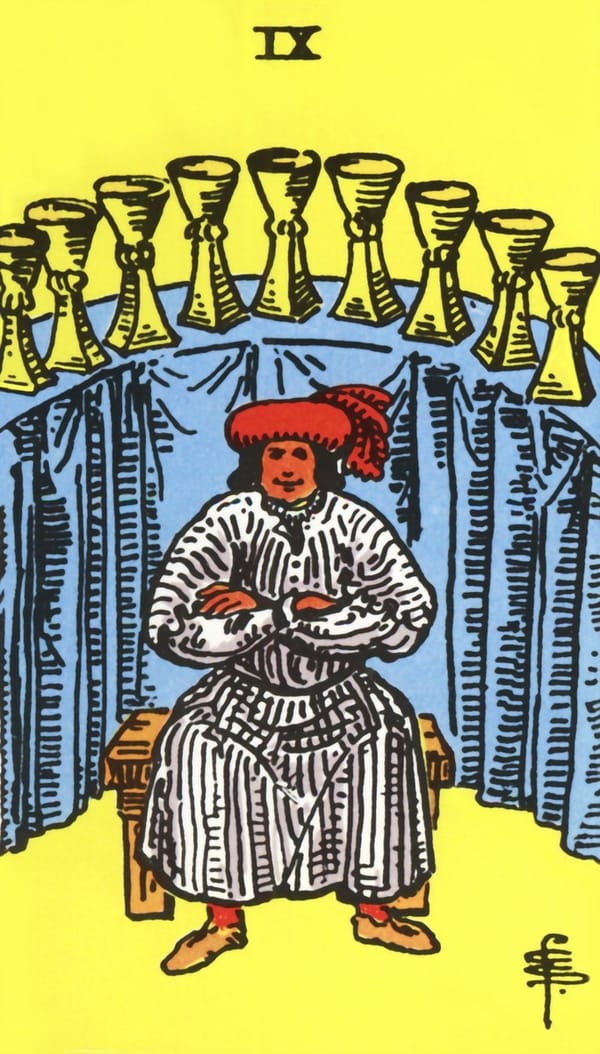
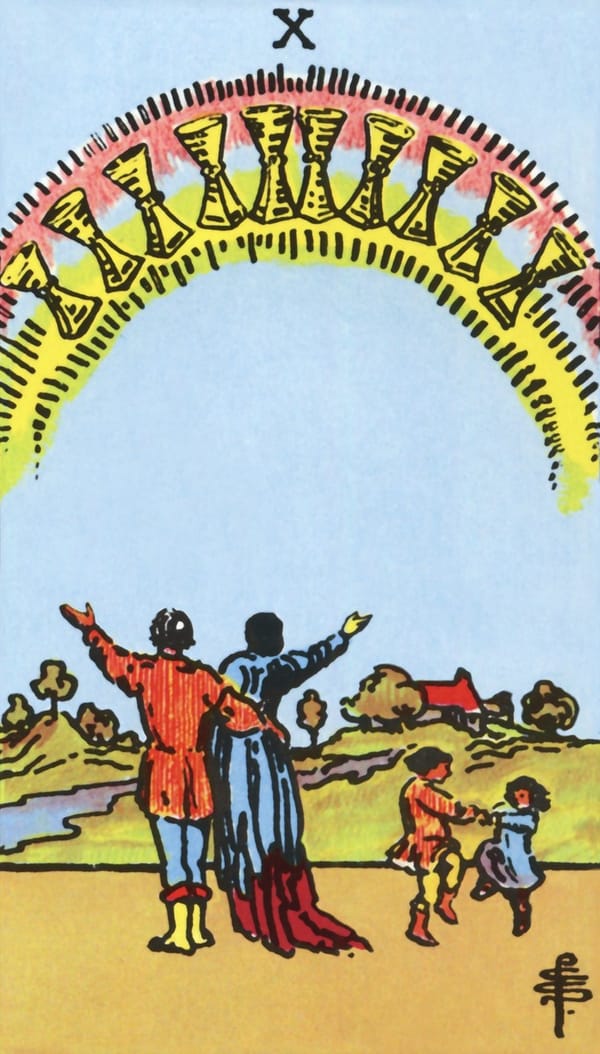
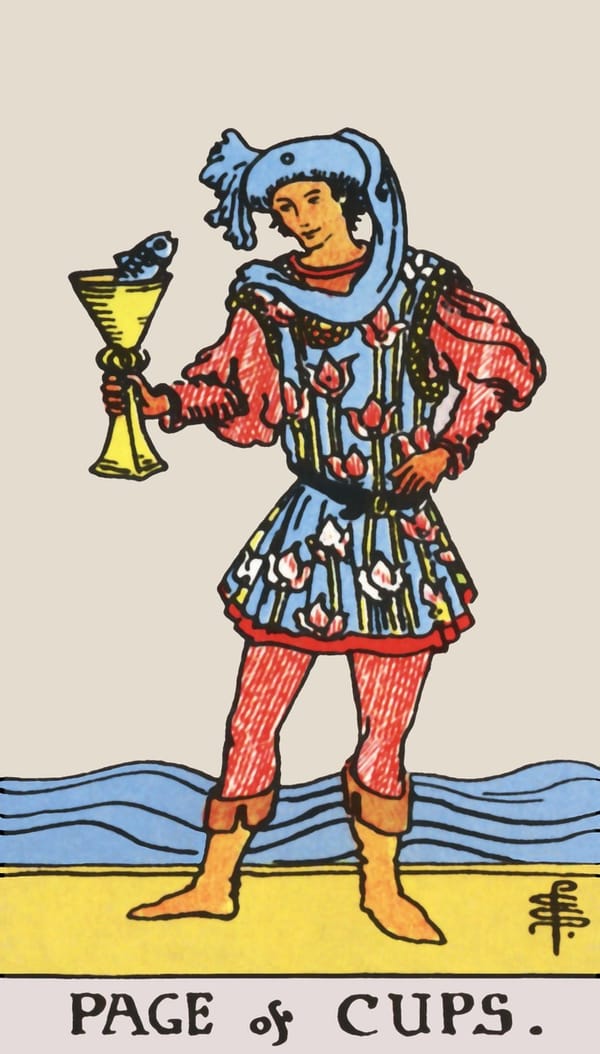
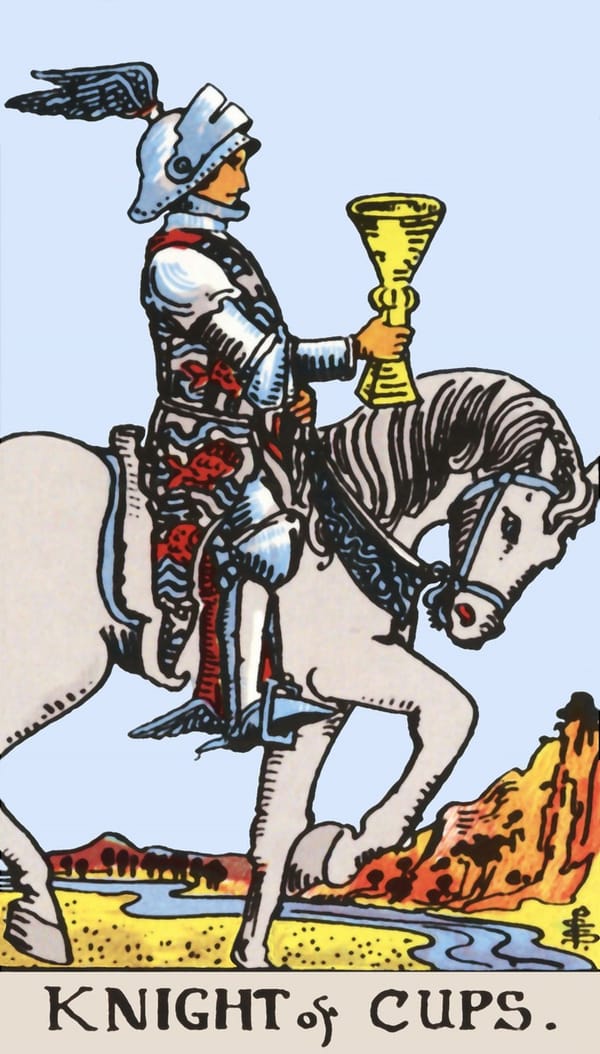
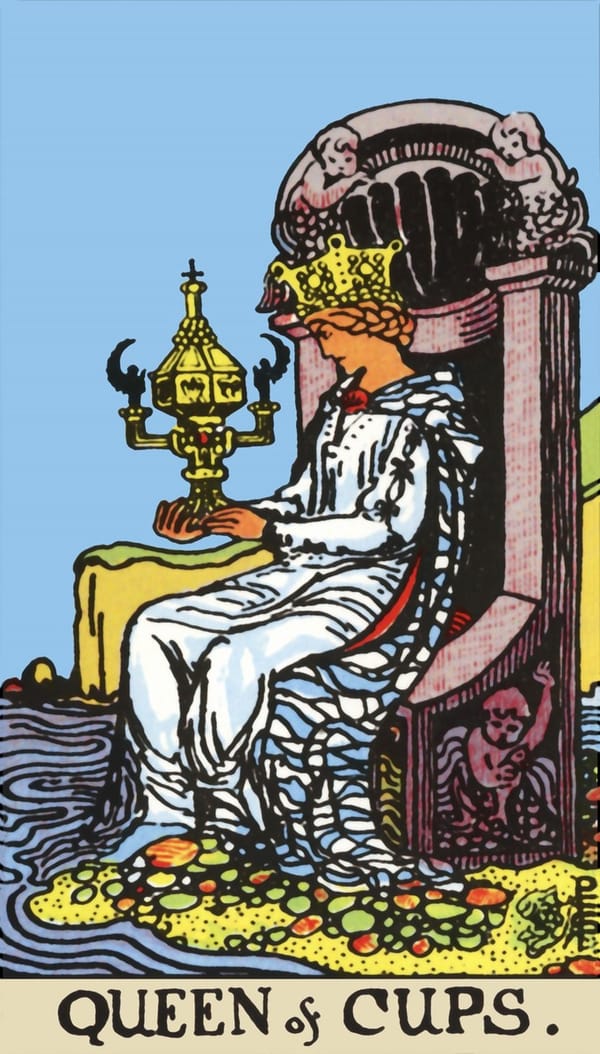
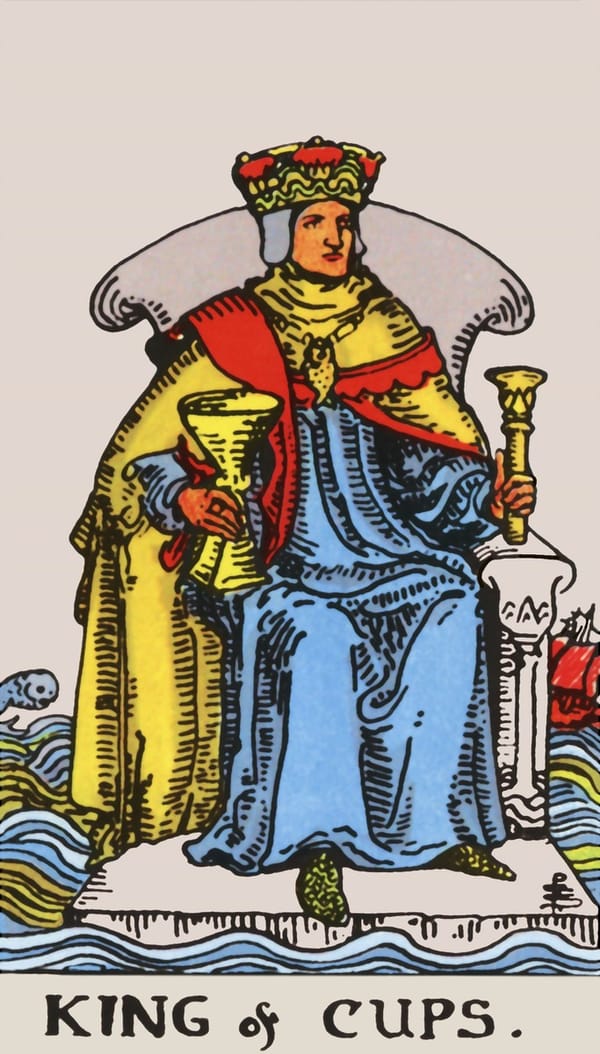
Element: WaterCups are the water suit — emotions, relationships, intuition, and the inner life. Anything involving how you feel, how you connect with others, or what you want emotionally tends to show up in Cups. They're the most personal suit. Low-numbered Cups cards are often about new feelings or connections opening up. Higher numbers can get into disappointment, nostalgia, or emotional overload. The court cards here tend to show up as emotionally intelligent people, creative types, or situations that need more feeling and less logic than you've been giving them.
Swords
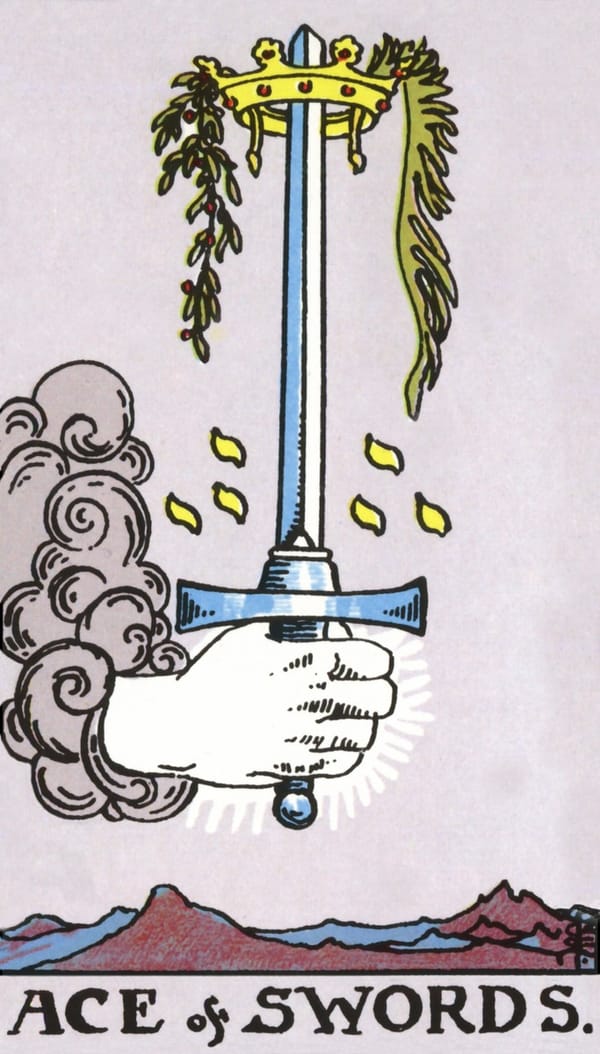
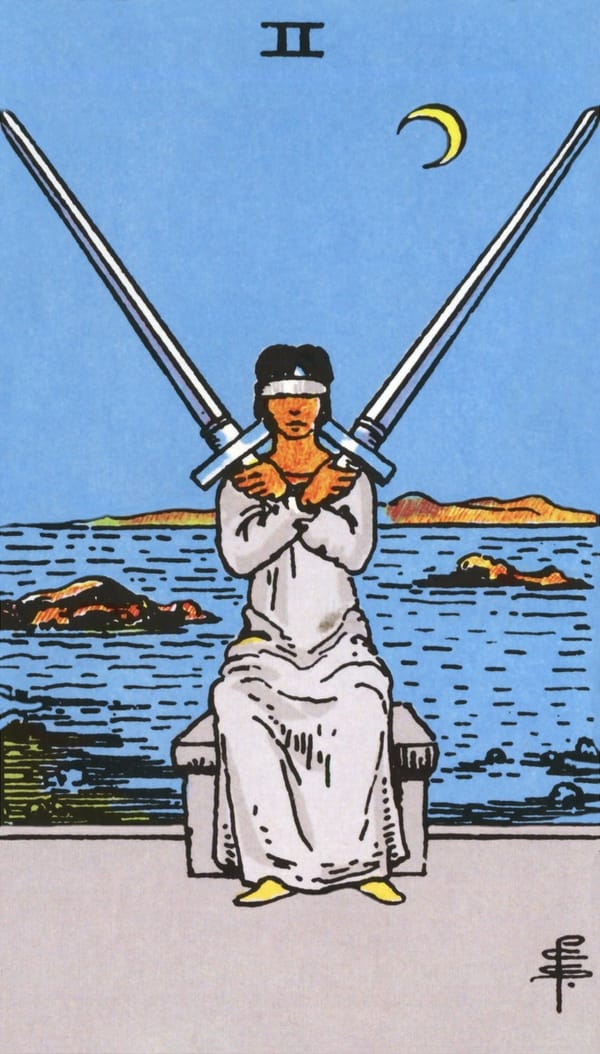
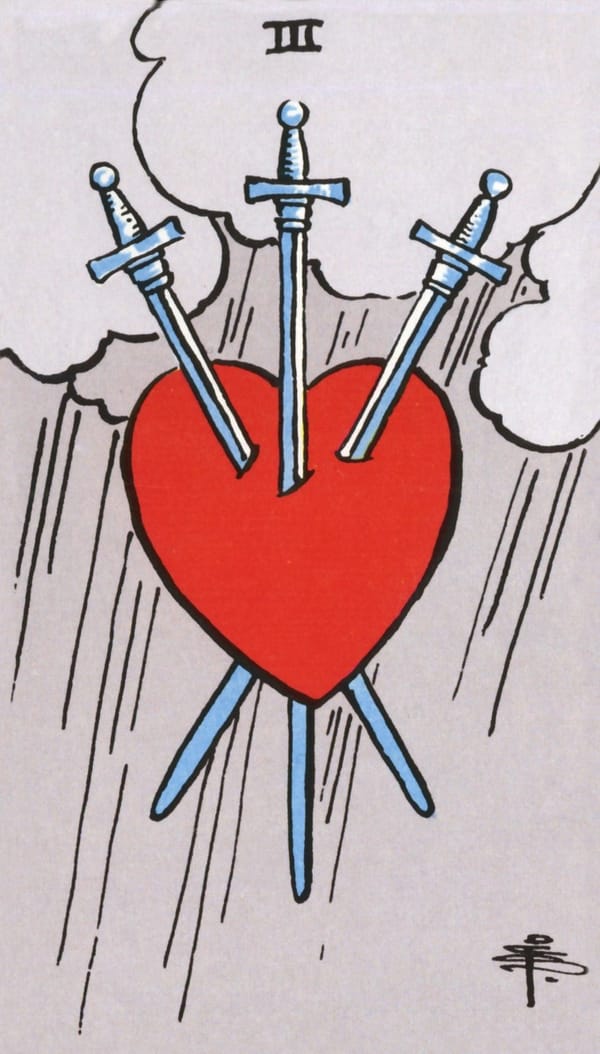
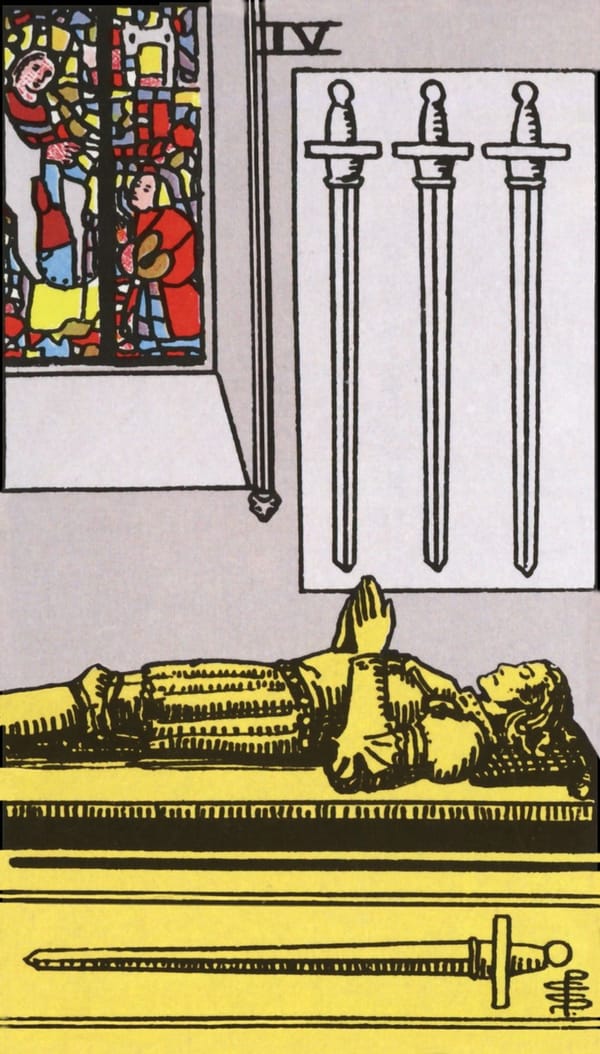
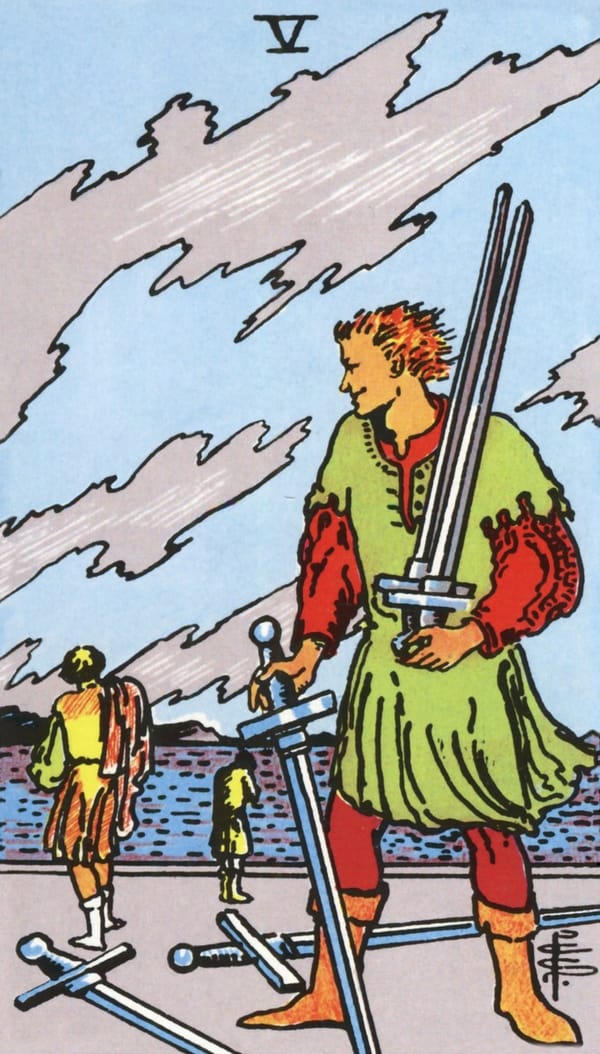
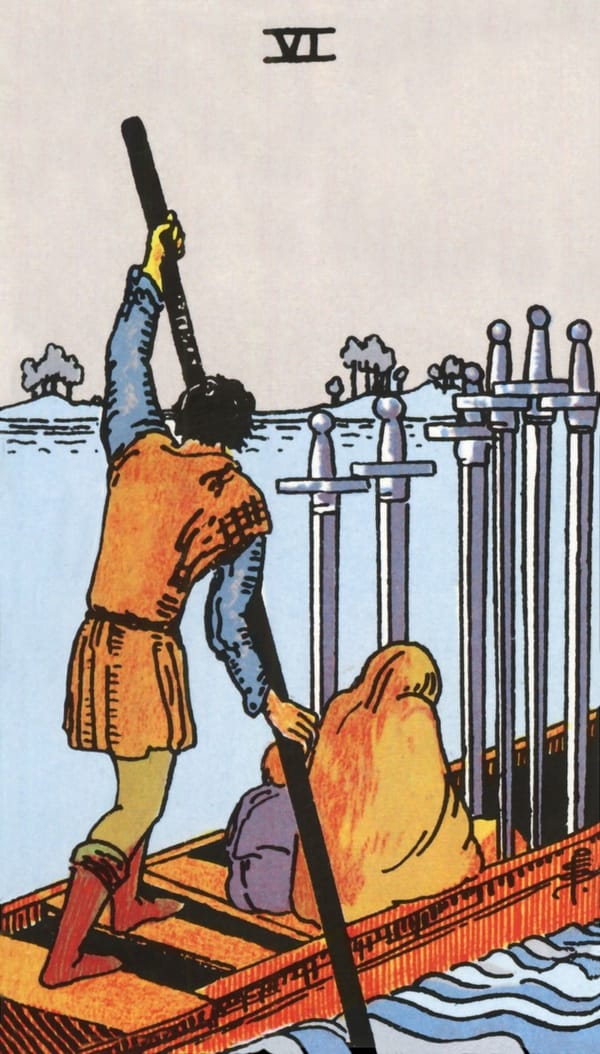
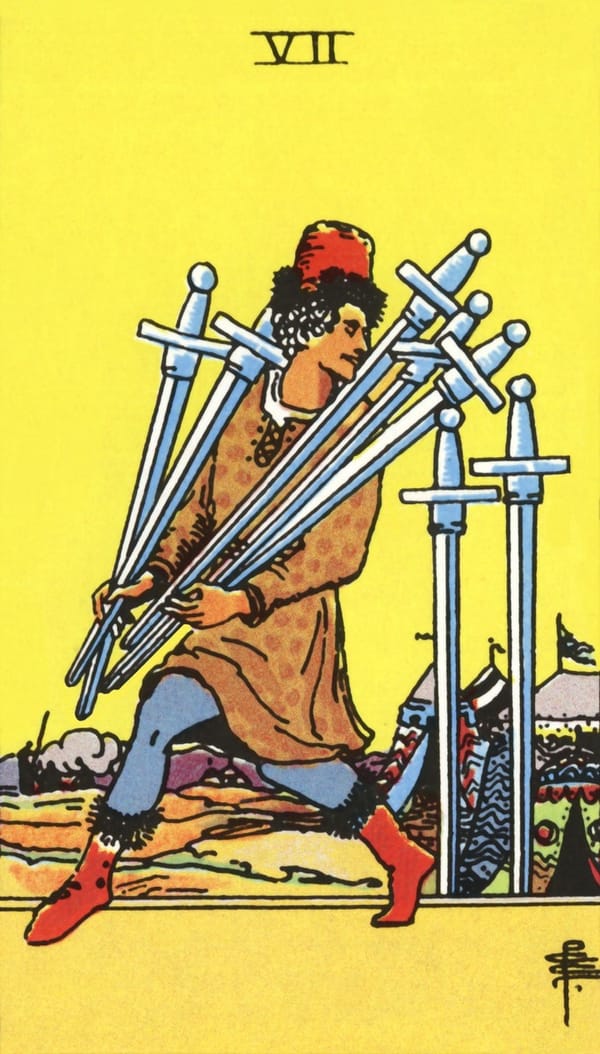
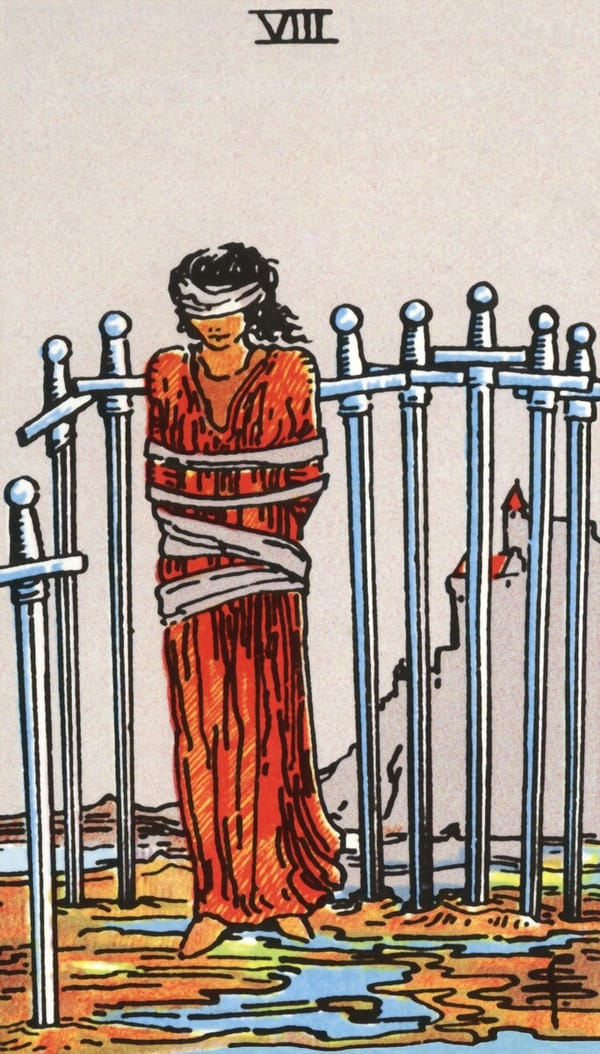
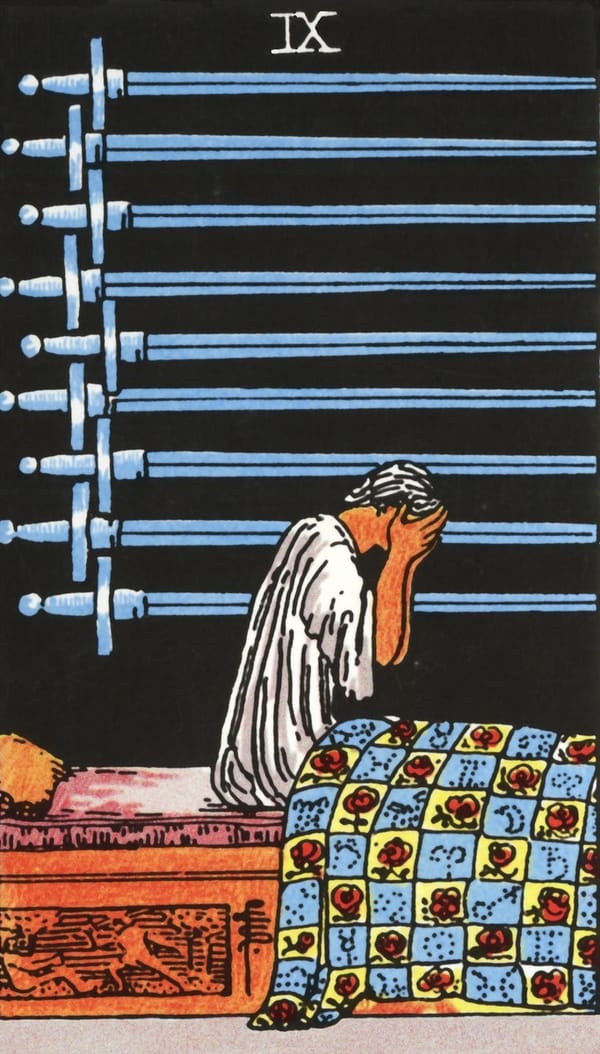
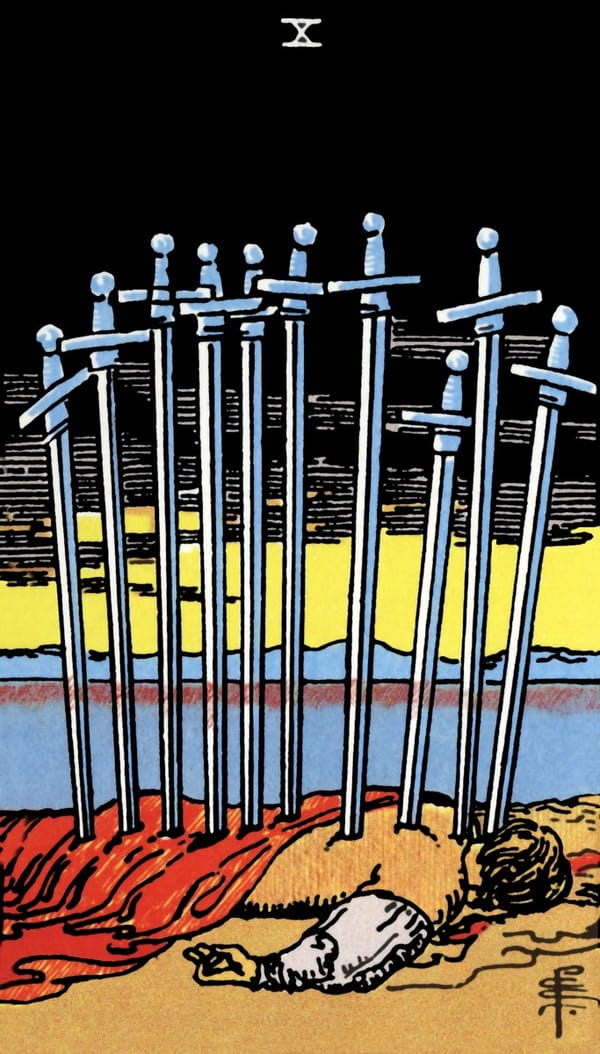
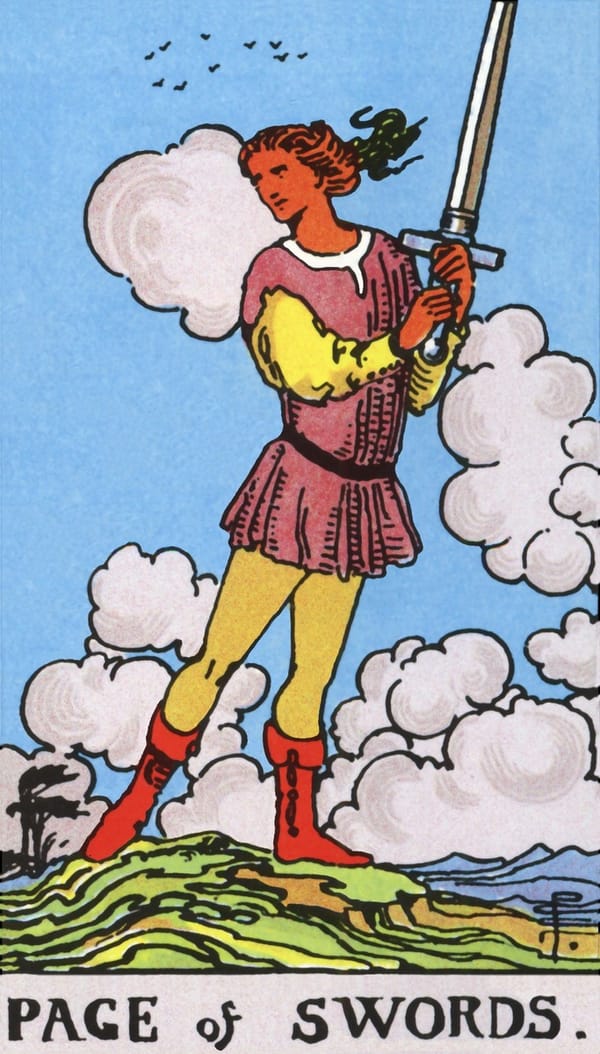
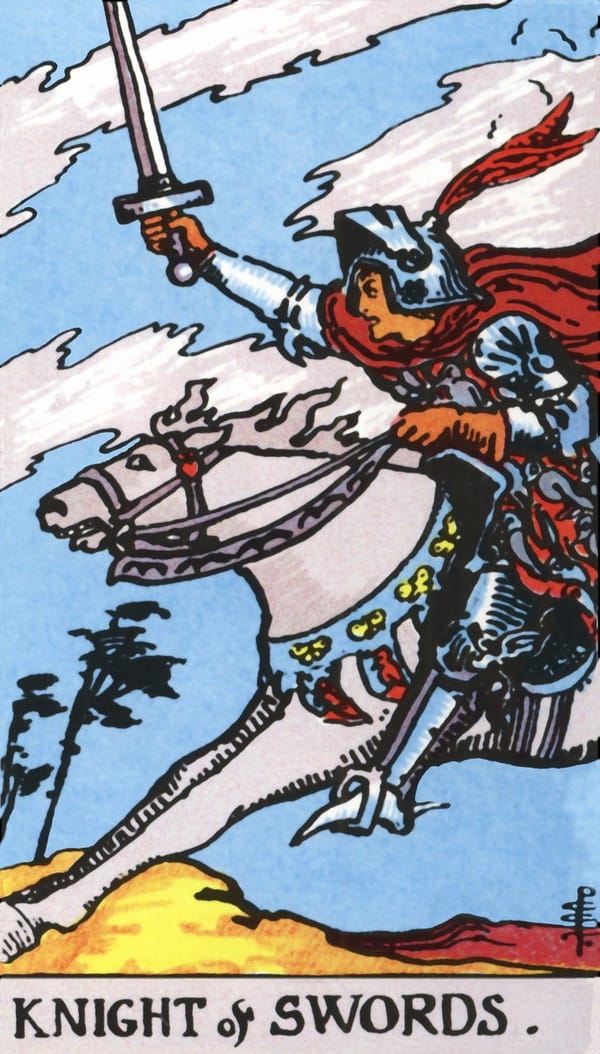
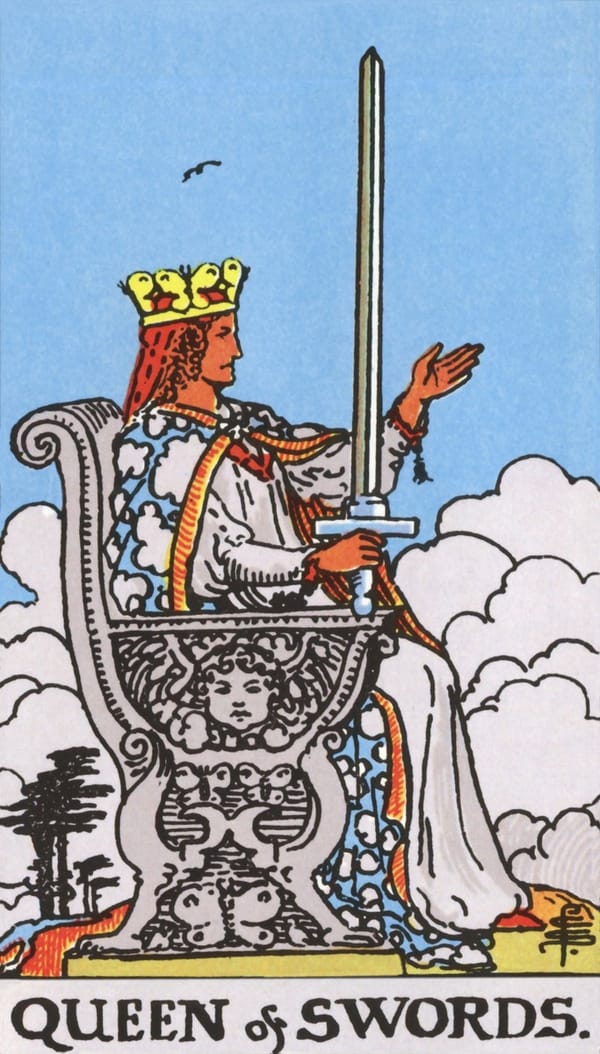
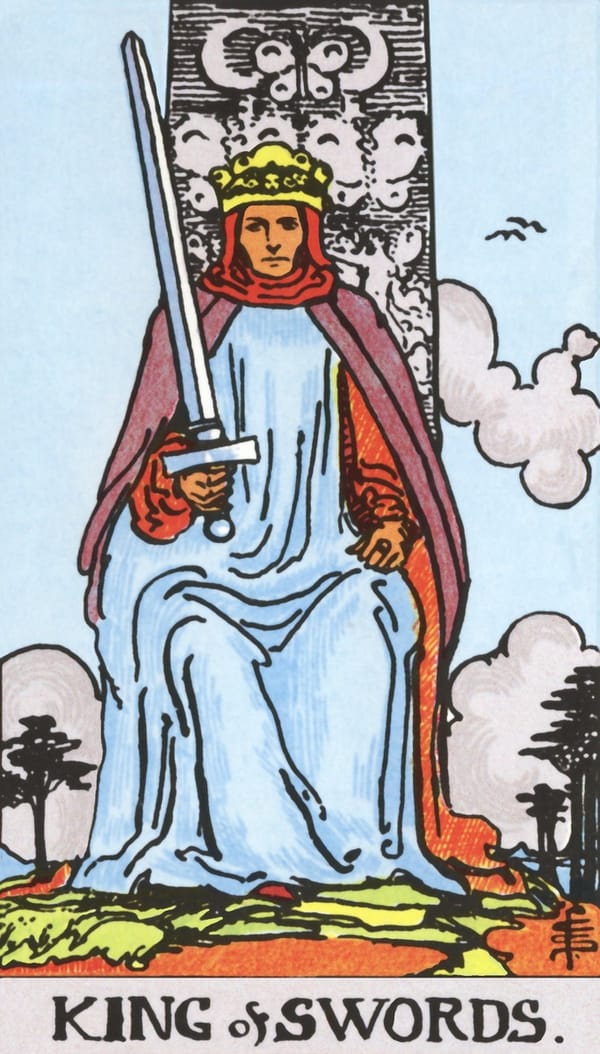
Element: AirSwords are the air suit — thought, communication, conflict, and the stories you tell yourself. They have a reputation for being the "difficult" suit, and honestly that's fair. A lot of Swords cards are about pain, confusion, or hard truths. But they're also about clarity, decisiveness, and the moments when you finally say the thing you've been avoiding. They show up around decisions, arguments, mental health, anxiety, and any situation where your mind is the main obstacle. Court cards here often represent sharp, analytical people — or the part of yourself that overthinks everything.
Pentacles
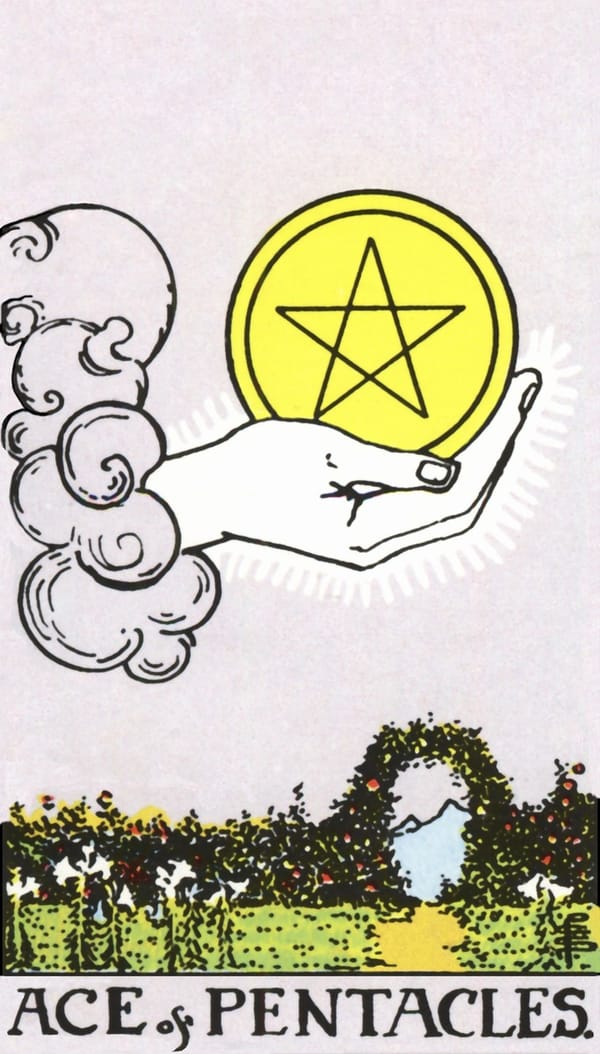
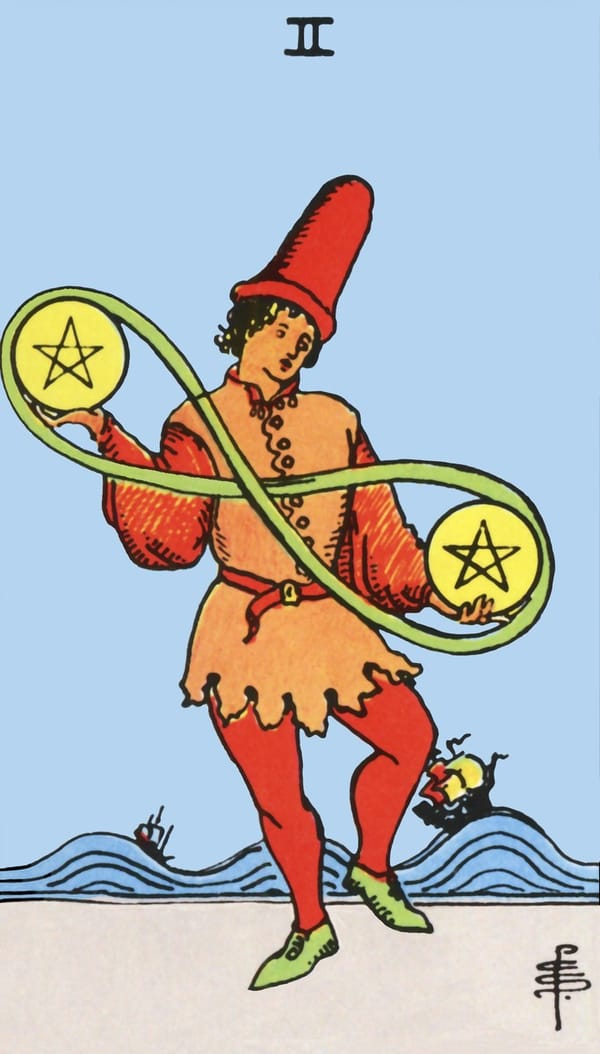
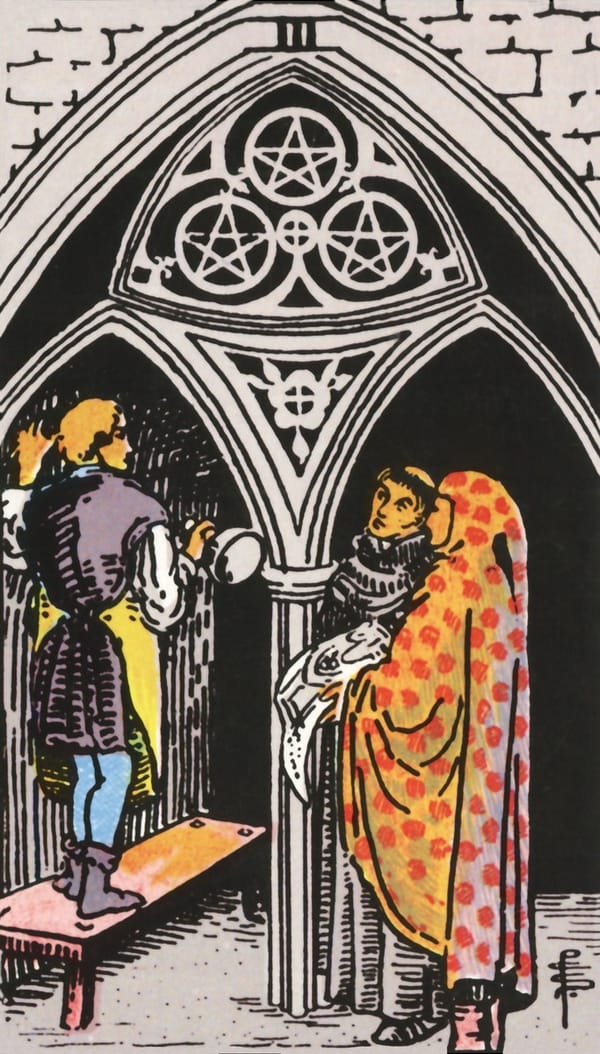
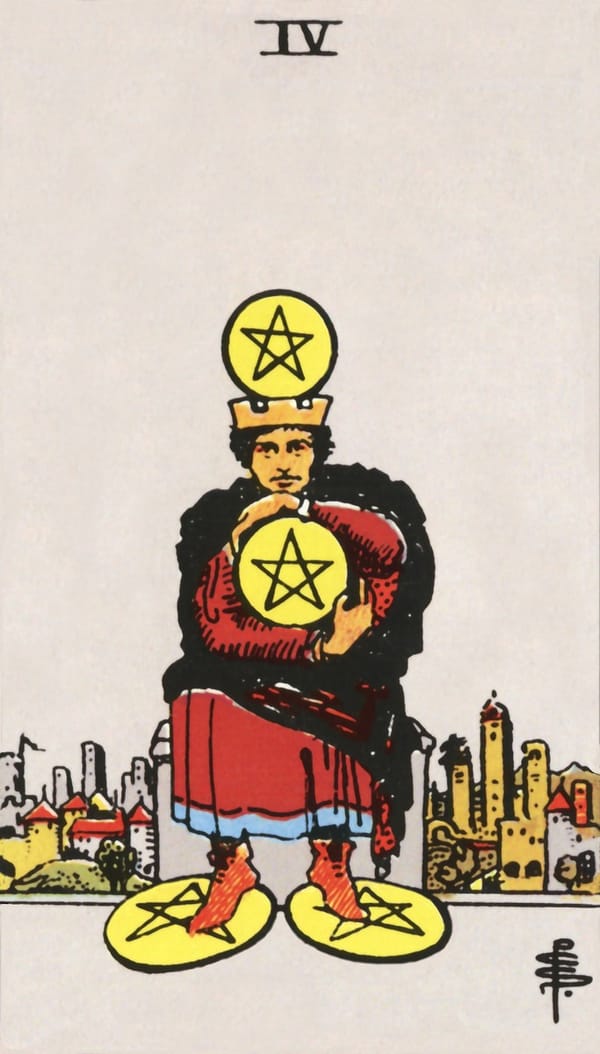
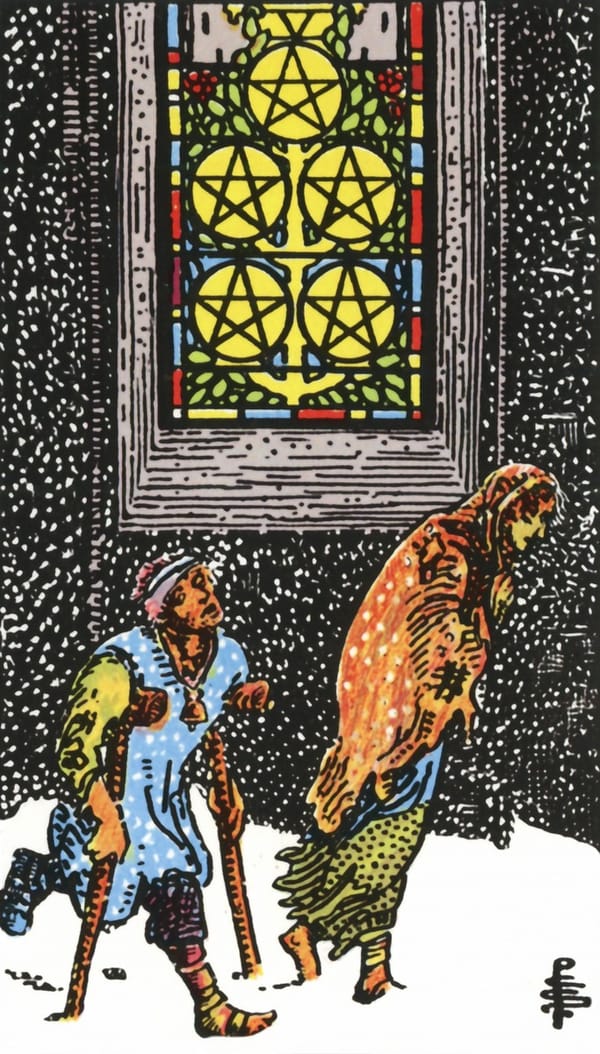
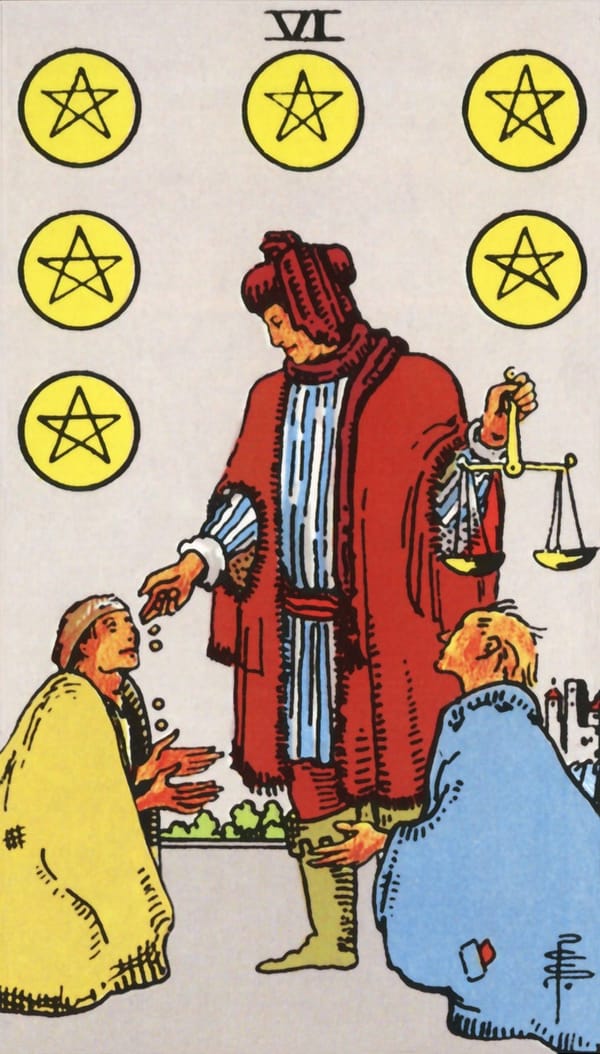
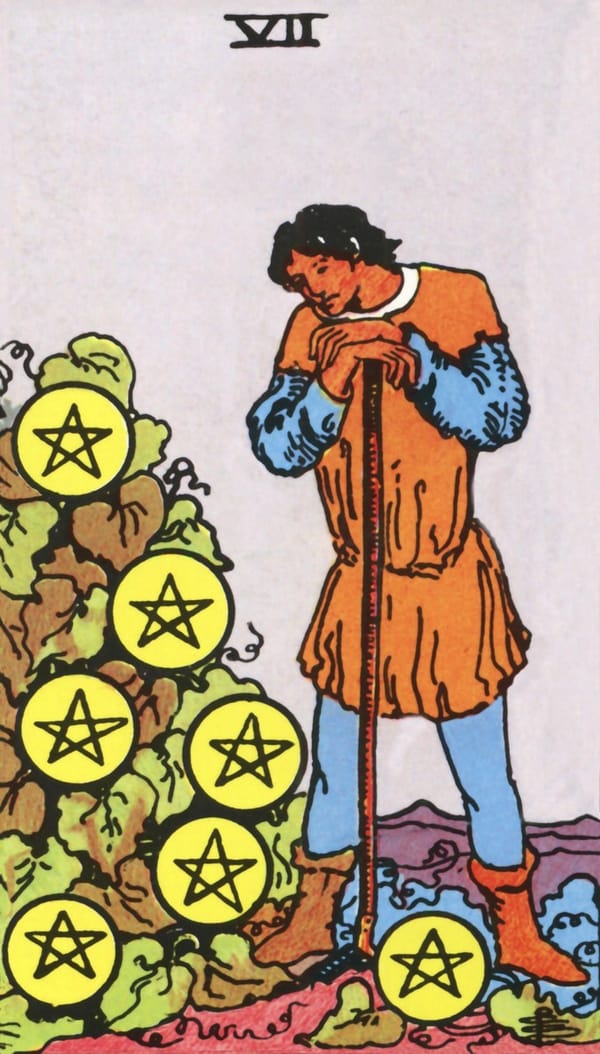
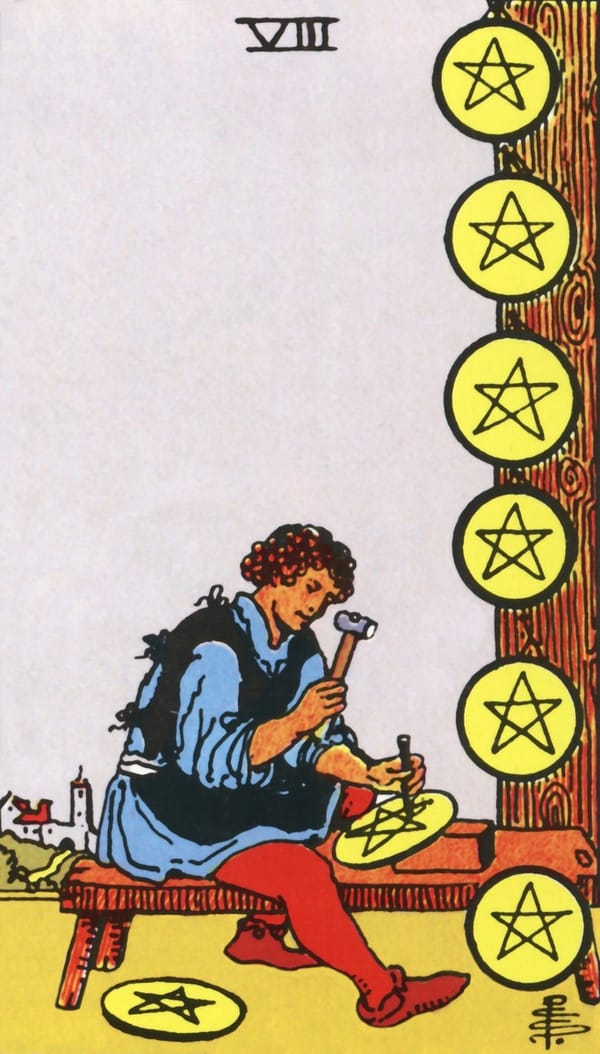
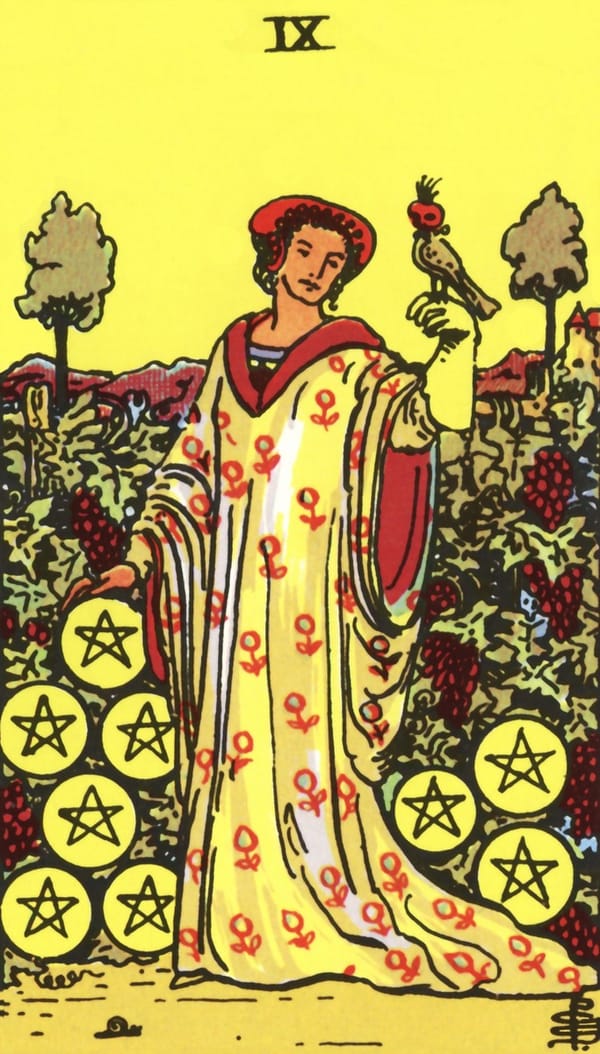
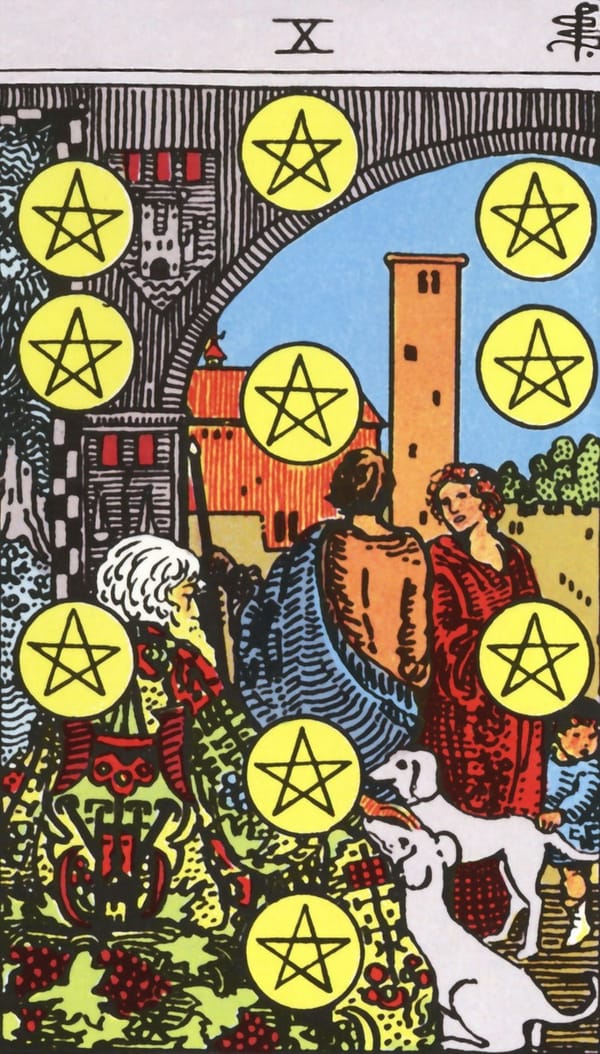
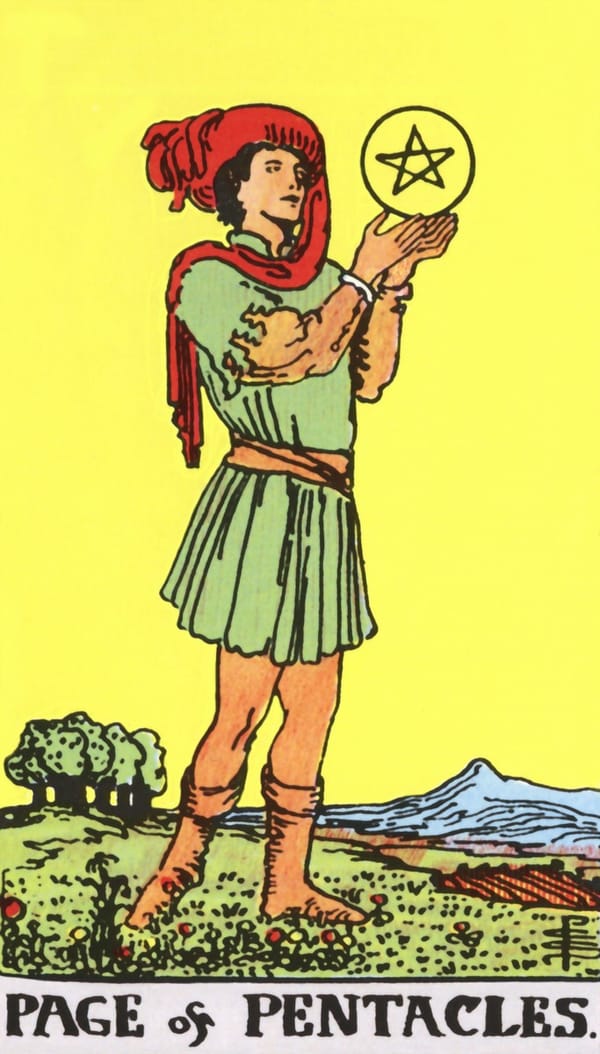
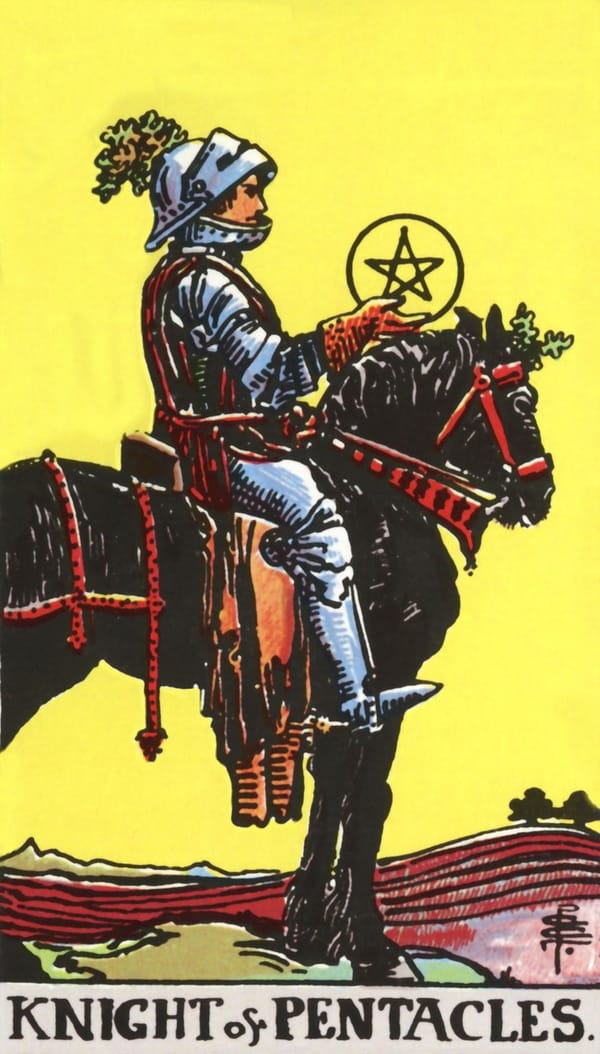
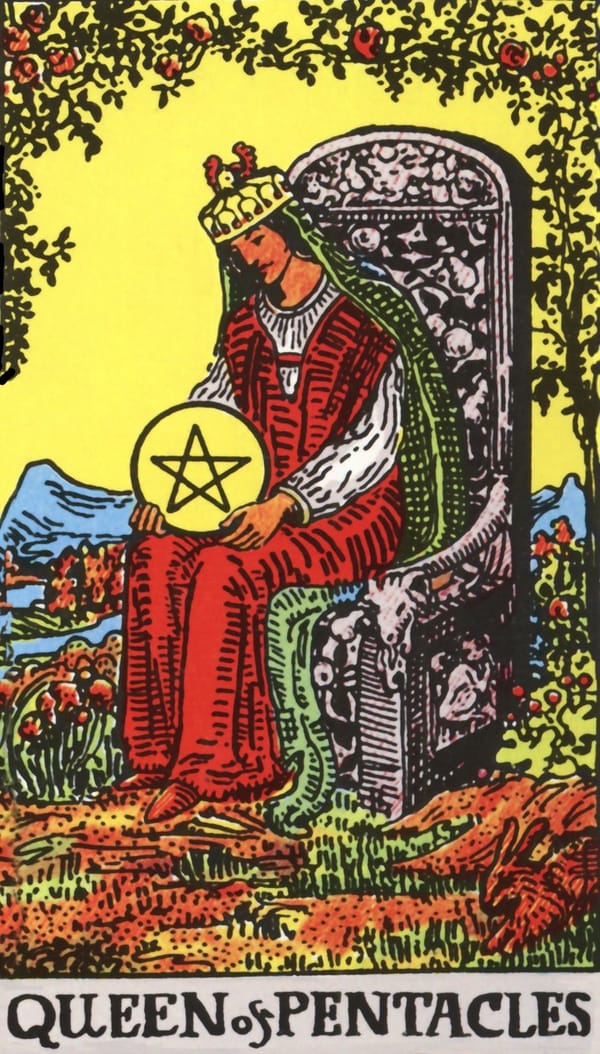
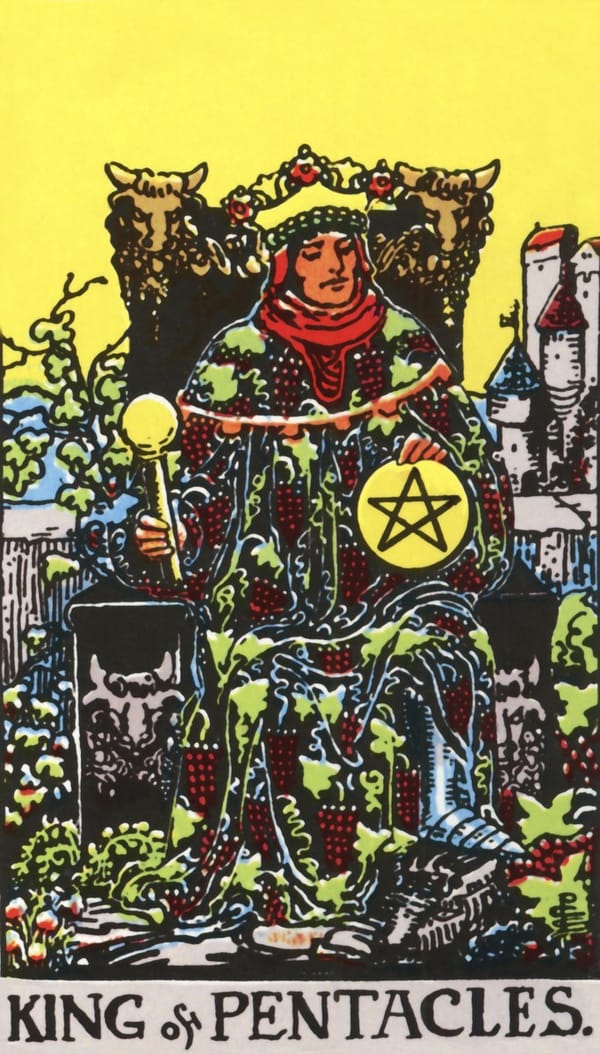
Element: EarthPentacles are the earth suit — money, work, physical health, and the material world. These are the most practical cards in the deck. They deal with the actual, tangible stuff: your job, your bank account, your body, your home. Low-numbered Pentacles are often about new financial or career opportunities. Higher numbers get into stability, legacy, and what you're actually building over time. The court cards tend to represent grounded, reliable people or situations that call for patience and practicality over inspiration. When Pentacles show up reversed, it usually means something in the material realm is stuck, neglected, or out of balance.
Tarot FAQ — Everything Beginners Ask
Straight answers to the questions that come up the most. No gatekeeping, no mysticism for its own sake.
Can I read tarot for myself?
Yes, and you should. Reading for yourself is how most people learn tarot. The key is writing down your question before you shuffle so you stay honest about what you actually asked, rather than reinterpreting the cards to match what you wanted to hear.
Do I need to memorize all 78 card meanings?
No. Start by learning the story each card tells through its imagery — what you see in the picture is more useful than a memorized keyword. Most experienced readers still discover new layers in cards they have read thousands of times. Let recognition build naturally through practice.
How often should I read tarot?
There is no rule. Some readers pull a daily card as a morning check-in. Others only read when a real question comes up. The only time frequency becomes a problem is when you keep asking the same question hoping for a different answer.
Are reversed cards always negative?
No. A reversal often means the card's energy is internalized, blocked, or just beginning to emerge. The Five of Swords reversed, for example, can mean a conflict is ending — which is a relief, not a problem. Context always matters more than orientation.
Is it bad luck to buy my own tarot deck?
This is a myth. Most tarot readers buy their own decks. Waiting for someone to gift you one is a nice idea, but it will keep you waiting a long time. Pick a deck whose artwork speaks to you and start reading.
Can other people touch my cards?
This is entirely a personal preference. Some readers feel strongly about keeping their deck private. Others hand it to the querent to shuffle before a reading. Neither approach is wrong — do whatever helps you feel connected to the cards.
What does it mean when a card flies out while shuffling?
Some readers treat "jumper" cards as significant messages that demand attention. Others shuffle them back in. If a card keeps jumping out repeatedly, it might be worth looking at — but a single flyaway card during a messy shuffle does not carry cosmic weight.
Can I ask the same question multiple times?
You can, but you probably should not — at least not in the same sitting. Re-asking usually means you did not like the first answer. Give the original reading time to settle before you pull again. If you revisit the question a week later with fresh perspective, that is different.
How long does it take to learn tarot?
You can do a meaningful reading within your first week. Understanding the full deck deeply takes months to years, and even then the learning does not stop. Focus on doing readings rather than finishing a course — the cards teach you as you use them.
How do I know if I'm reading the cards right?
If your interpretation makes the querent (or you) pause and think, you are on the right track. There is no single correct meaning for any card. The "right" reading is the one that speaks truthfully to the situation at hand.
Should I ask yes or no questions?
Tarot works better with open questions. Instead of "Will I get the job?" try "What do I need to know about this job opportunity?" Open questions give the cards room to show you something you had not considered.
Do I need to cleanse my deck?
Some readers cleanse between readings with smoke, crystals, or knocking on the deck. Others never do. If your readings start feeling muddled or stale, a cleanse — even just shuffling thoroughly while setting an intention — can help you reset mentally.
Does drawing the Death card mean someone will die?
No. The Death card almost never refers to physical death. It signals the end of a chapter, a major transformation, or something you need to let go of before you can move forward. It is one of the most misunderstood and most powerful cards in the deck.
Can tarot predict the future?
Tarot shows where your current energy and choices are leading. It reflects patterns, not fixed outcomes. Think of it as a weather forecast: it tells you what conditions look like right now, so you can decide whether to bring an umbrella — not whether it will definitely rain.
What's the difference between tarot and oracle cards?
Tarot follows a fixed structure — 78 cards, Major and Minor Arcana, four suits. Oracle decks have no set rules: they can have any number of cards with any theme. Tarot gives you a shared language; oracle cards give you a more freeform, intuitive space. Learn more in our oracle card guide.
What is the best tarot deck for beginners?
The Rider-Waite-Smith deck is the standard recommendation because most tarot books and courses reference its imagery. But any deck with fully illustrated Minor Arcana cards (not just five cups sitting in a row) will work. Pick a deck whose art you actually want to look at.
Do I need to be psychic to read tarot?
No. Tarot is a skill, not a supernatural gift. You need observation, pattern recognition, and the willingness to sit with uncomfortable truths. Intuition helps, but intuition is just your brain processing information faster than your conscious mind — everyone has it.
How many cards should I pull for a reading?
Start with one to three cards. A single card can answer a focused question clearly. Three cards give you a beginning, middle, and end — or past, present, future. Larger spreads are useful once you are comfortable reading relationships between multiple cards.
What do the suits represent?
Wands represent fire, ambition, and creative drive. Cups represent water, emotions, and relationships. Swords represent air, thought, and conflict. Pentacles represent earth, material concerns, and practical matters. Each suit covers a different area of life.
Can tarot cards be dangerous?
Tarot cards are printed paper. They cannot summon anything or cause harm. The only real risk is becoming psychologically dependent on them for every decision. Use tarot as a reflective tool, not a replacement for your own judgment.
What are the Major Arcana?
The Major Arcana are the 22 numbered cards (0 through 21) that represent major life themes and turning points — things like identity, transformation, and fate. When they appear in a reading, they point to something bigger than a Tuesday problem.
What are the Minor Arcana?
The Minor Arcana are the 56 remaining cards divided into four suits. They deal with everyday situations — work stress, relationship dynamics, financial decisions, creative blocks. They are the texture and detail of daily life.
Do I need a special cloth or ritual to read tarot?
No. You can read tarot at your kitchen table, on the bus, or on your bedroom floor. Some readers enjoy the ritual of a special cloth and candles because it helps them focus. But the cards work the same way on any surface.
What should I do if I get a scary card?
Look at it closely instead of flinching. Cards like The Tower, the Ten of Swords, and the Devil look alarming but carry useful messages — usually about changes that are already happening or patterns you need to break. The scariest cards are often the most honest.
Can I use tarot for someone without their permission?
You can, but most experienced readers advise against it. Reading about someone without their knowledge tends to produce readings filtered through your own assumptions and anxieties about that person. Focus on your own relationship to the situation instead.
Ready to try a reading? Our card reading widget pulls a card and interprets it for your question. Or explore more in the blog.