You pulled cards about your body. That takes a kind of courage most tarot content doesn't talk about, because most tarot content doesn't go here. It stays in love readings and career spreads and doesn't touch the thing that follows you into every room: the way you see yourself when you're getting dressed, or eating, or catching your reflection in a window you weren't prepared for.
The cards don't have a body image section in the guidebook. But they have everything you need to read about the relationship between you and your physical self, because that relationship is built on the same things every relationship is: trust, control, grief, and what you were told you should be.
The Cards That Show Up
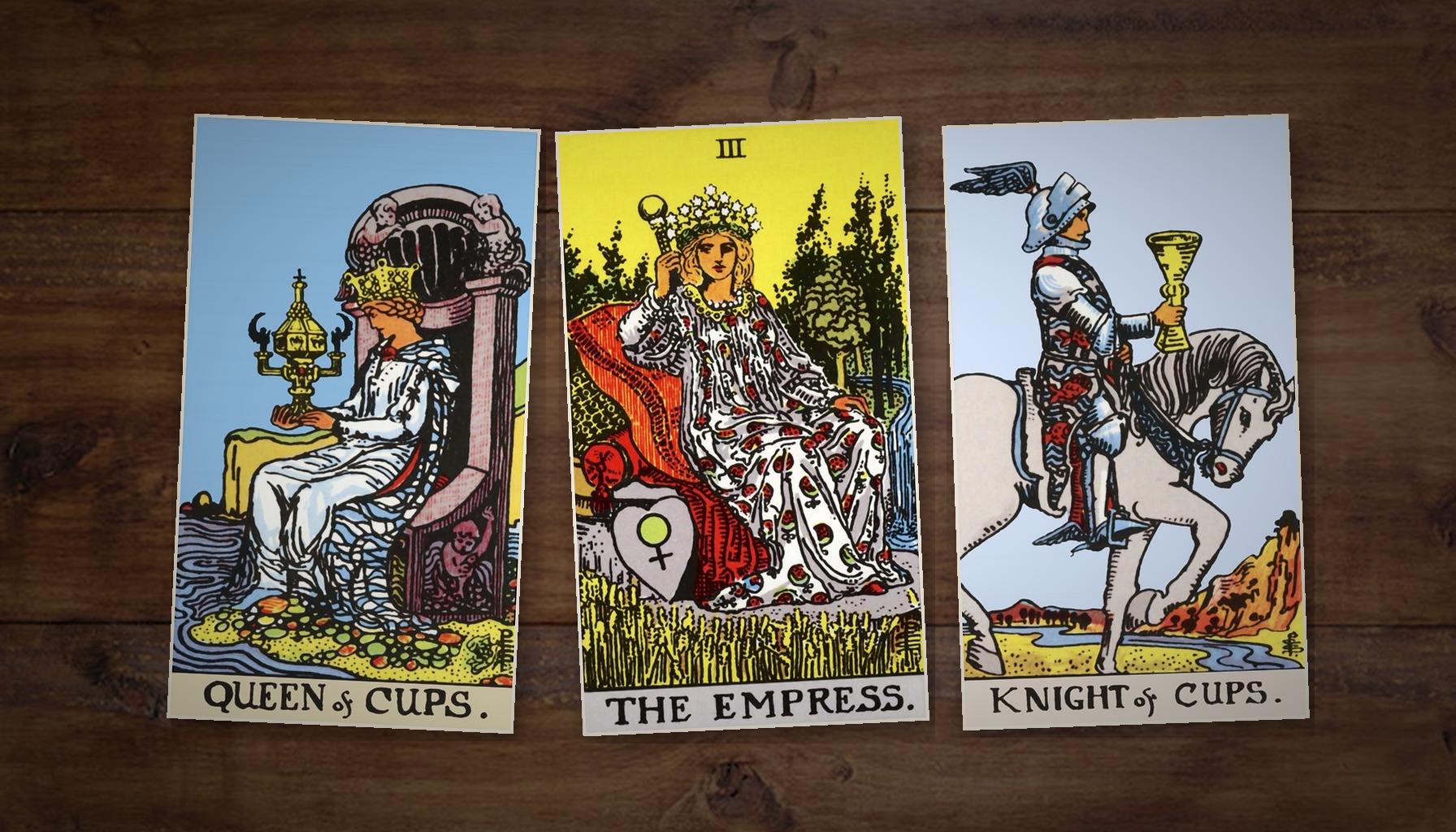
The Empress upright is the body as it wants to exist. Abundant, sensory, unapologetic. She sits in a garden surrounded by growth and doesn't count any of it. When the Empress appears in a body image reading, the card is saying your body is not a problem to solve. It's an environment you live in, and right now you're treating it like hostile territory.
The Empress reversed is what happens when that natural relationship with your body has been disrupted. The abundance feels like too much. The sensory experience of inhabiting your body has become something you try to control, minimize, or escape. The reversal isn't about your body being wrong. It's about your relationship with it being damaged.
The Eight of Swords is the distortion itself. What you see in the mirror isn't what's there. The blindfold is real in the sense that it genuinely limits what you can see, but it's not permanent and it's not accurate. The swords surrounding you are thoughts, not facts. "I'm too big," "I'm not enough," "people are looking at me." These are the swords. They're planted in the ground, not in your body.
The Devil appears when body image has become an obsession. The two figures chained to the pedestal have loose chains. They could leave. But the compulsive behavior — the calorie counting, the mirror checking, the comparison scrolling — has become its own reward system. The Devil says the trap is familiar and that's why you stay in it.
Questions Worth Sitting With
"Whose voice am I hearing when I look at myself?" Pull one card. If you get a court card — a King, Queen, Knight, or Page — the criticism might not be yours. It might belong to a parent, an ex, a friend, a culture. The card can help you identify whose standard you've internalized so you can decide whether it deserves that power.
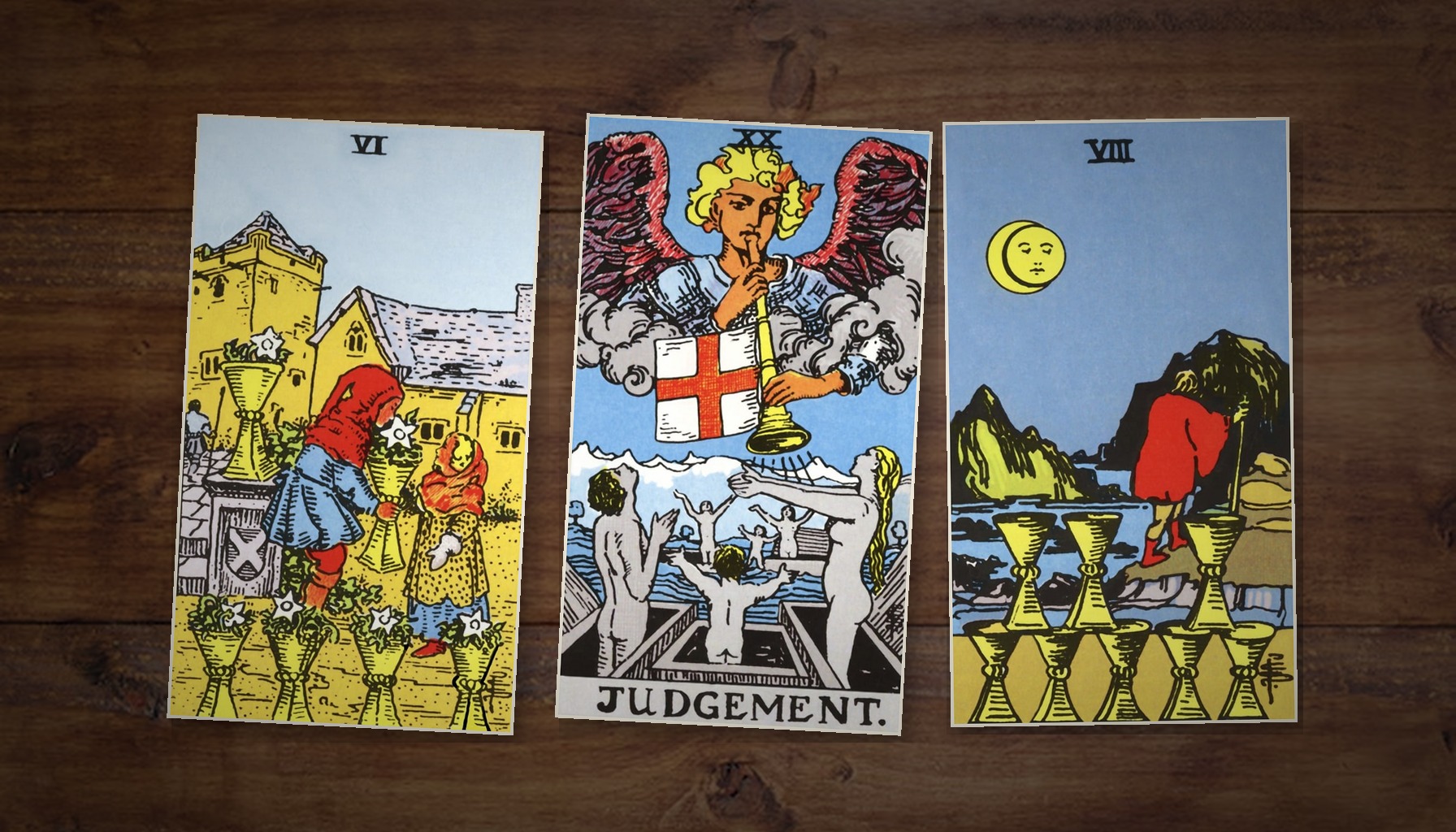
"What does my body need from me right now?" Not what you think it needs to look like. What it needs. The Four of Swords means rest. Strength means gentleness. The Ace of Cups means emotional nourishment that food can't provide. The Three of Cups means the body wants to move in ways that feel good, not punishing.
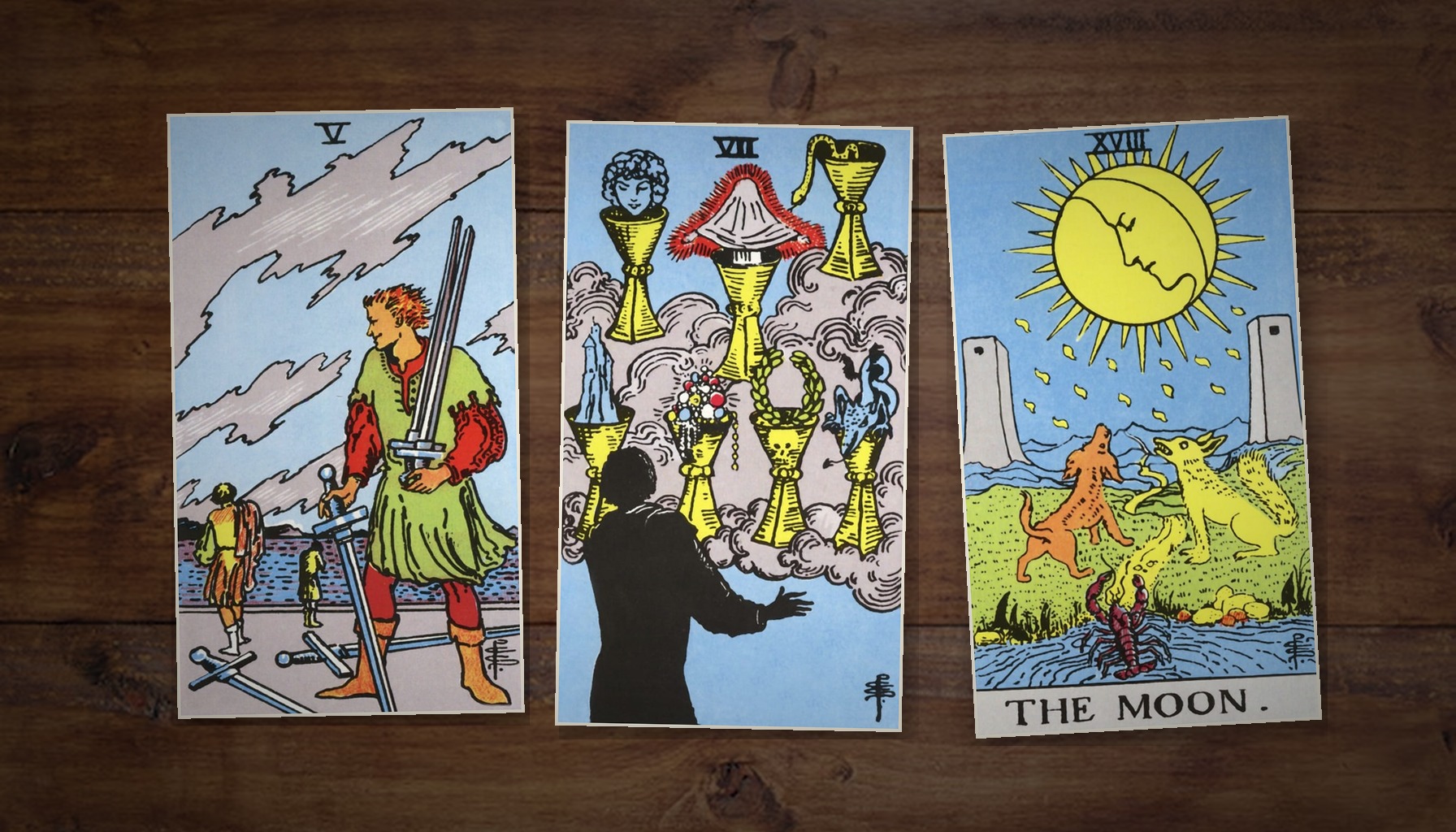
"What am I trying to control through my body?" This question cuts deep. The Emperor says you're using body control as a substitute for controlling a life that feels chaotic. The Moon says there are emotions you can't face, so you redirect that energy into something measurable — weight, calories, inches. The Ten of Wands says you're carrying everyone else's expectations and your body became the place where you try to meet them all.
What the Star Means Here
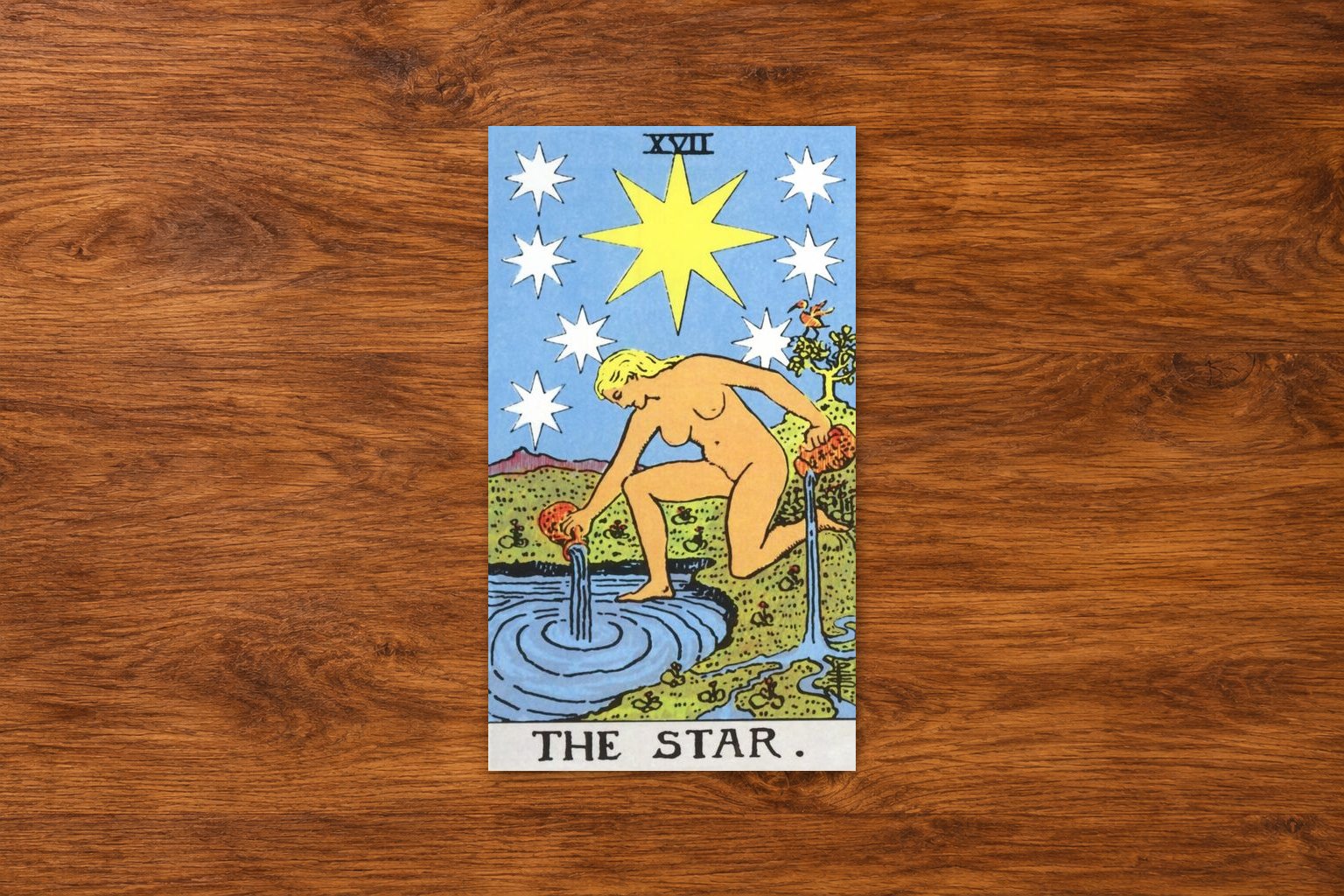
The Star in a body image reading is the moment after the war. A naked figure kneeling by water under an open sky, pouring from two vessels. No clothes, no armor, no hiding. The Star doesn't describe a body that meets a standard. It describes a person who stopped hiding theirs.
If this card appears, you're closer to peace with your body than you think. The fighting is exhausting you, and the Star says what comes after the fighting is rest, not perfection.
A Daily Practice
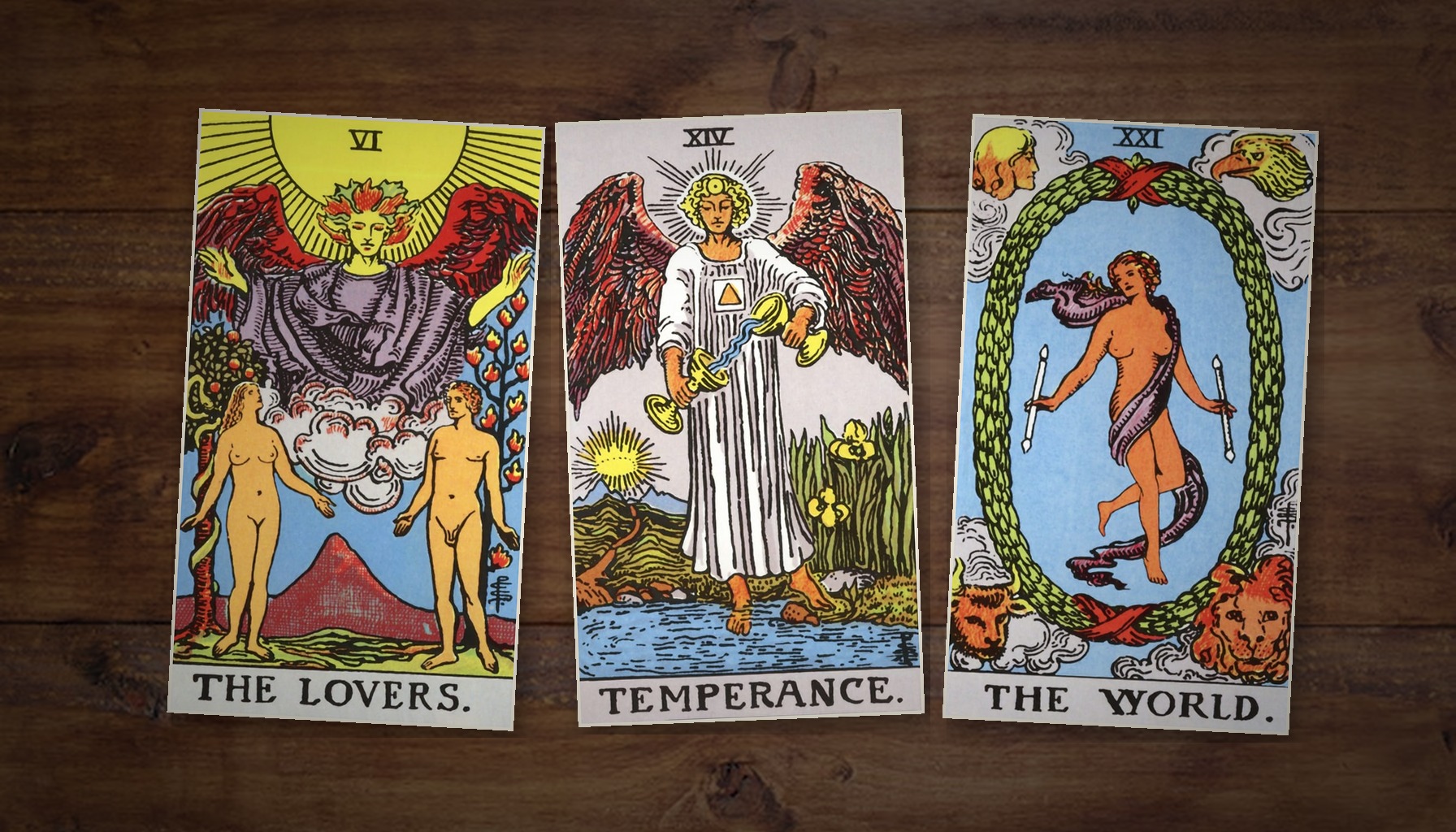
One card, every morning, same question: "What is my body telling me today?" Don't interpret it through the lens of appearance. Interpret it through the lens of sensation, need, and care. The Three of Pentacles means your body wants to work, to build, to be useful. The Nine of Cups means your body wants pleasure and satisfaction. Temperance means your body is asking for balance — not restriction, not excess, just balance.
Over time, this practice shifts the conversation from "how does my body look" to "how does my body feel." That shift is where healing starts.
If you're in recovery or struggling with disordered eating, the National Alliance for Eating Disorders helpline connects you with licensed therapists who understand. Tarot is a companion practice, not a replacement for professional support.