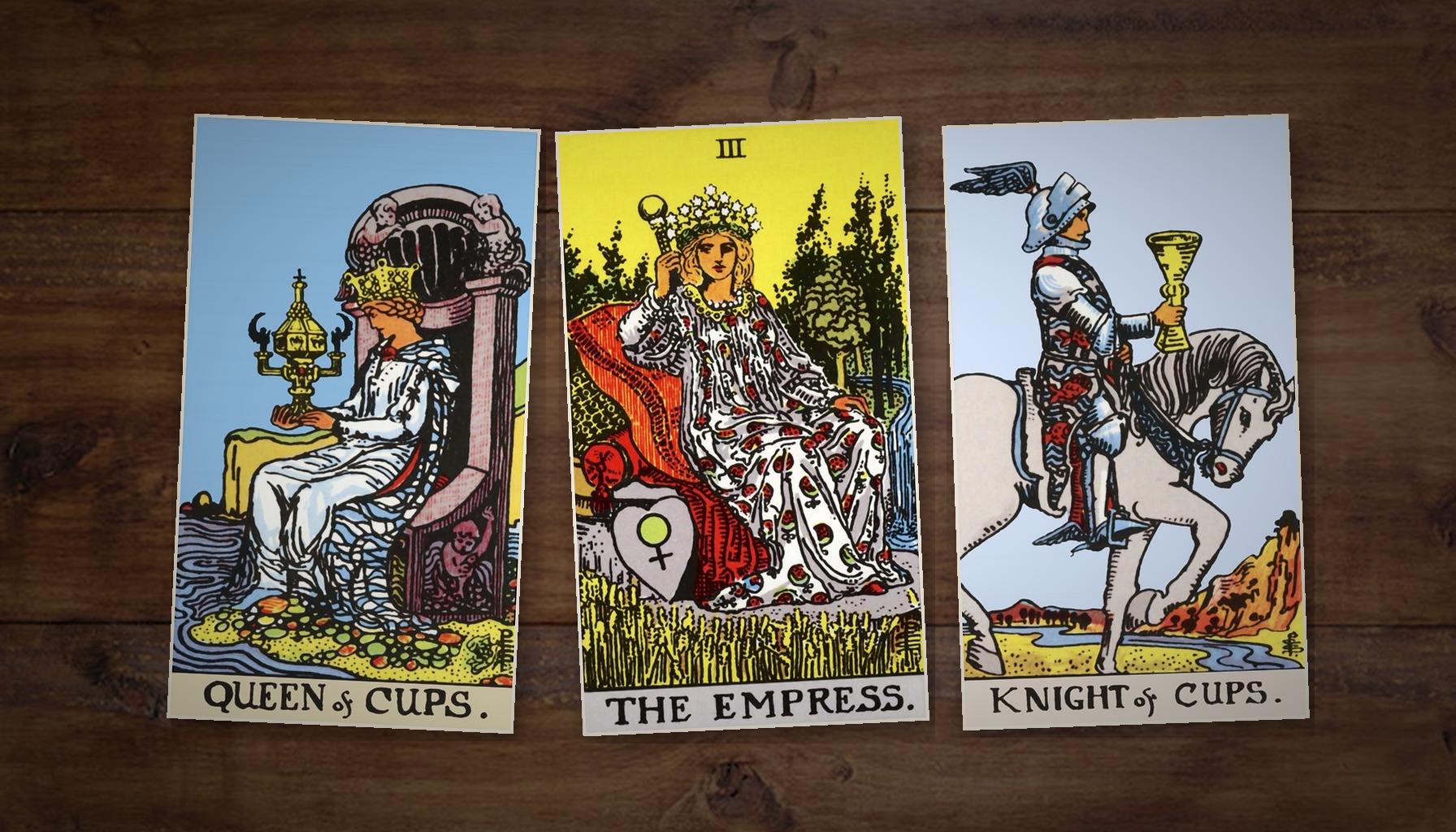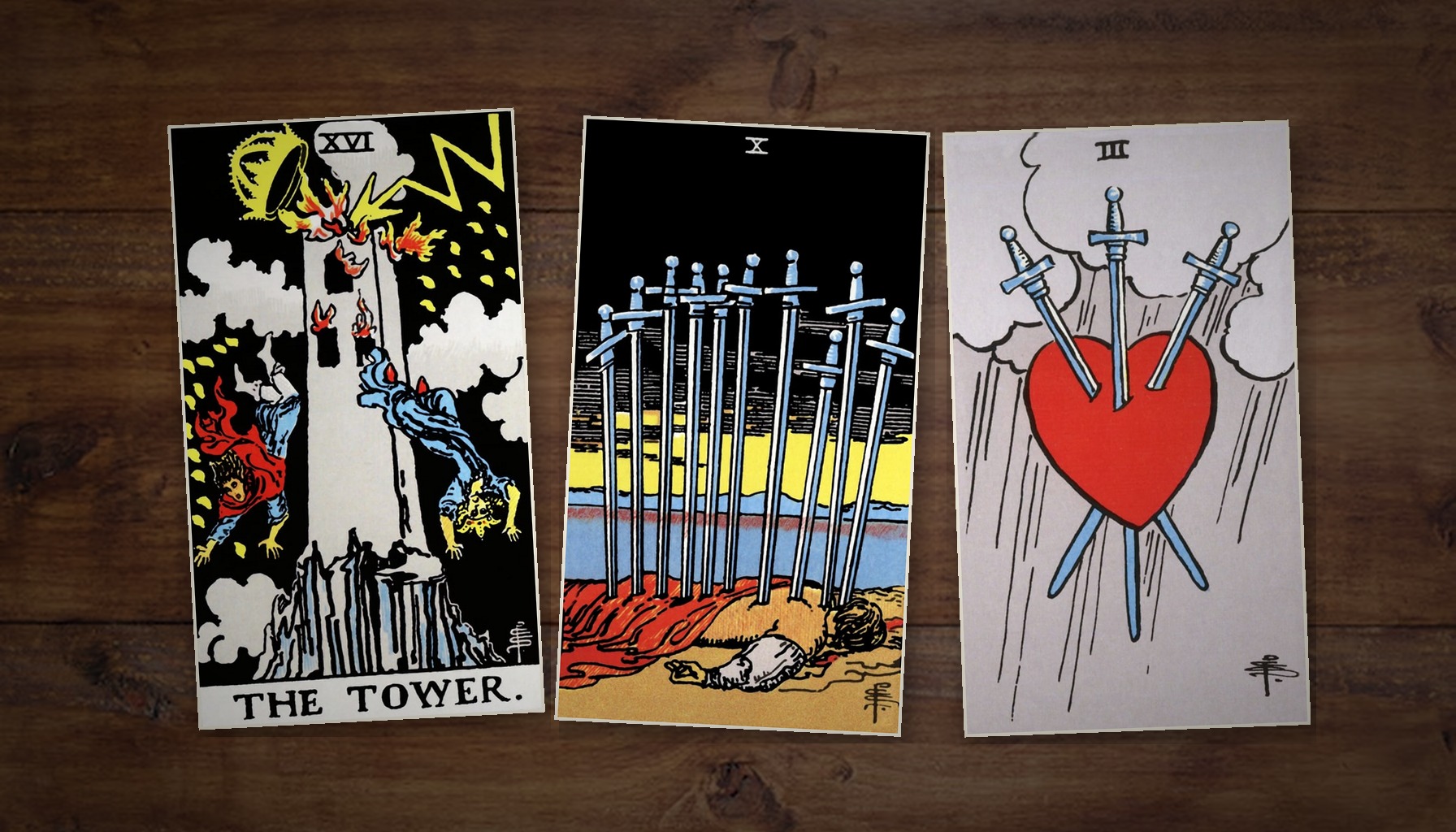
You sit down with the cards and you can't even form a question. That's the first sign you actually need a reading. The people who know exactly what to ask usually just need confirmation. The people who stare at the deck and can't find words are the ones the cards are for.
Feeling lost isn't a problem to solve. It's a state to read from. And tarot is better at mapping disorientation than almost anything else, because the cards aren't afraid of ambiguity the way advice-givers are.
Why "What Should I Do" Is the Wrong Question
When you're lost, the instinct is to ask tarot for directions. Tell me what career to pursue. Tell me whether to stay or leave. Tell me what my purpose is. These questions assume you're one piece of information away from being found. You're not. If a single answer could fix it, you'd have found it by now.
The better questions are smaller. What am I not seeing? What do I need this week? What's one thing I'm avoiding? These don't feel dramatic enough when you're in crisis, but they're the ones the cards actually answer well.
A single card for "what do I need to pay attention to today" will tell you more than a ten-card spread for "what is the meaning of my life." The first gives you something to work with before dinner. The second gives you a philosophy assignment you'll ignore by Thursday.
The Cards That Come Up When You're Directionless
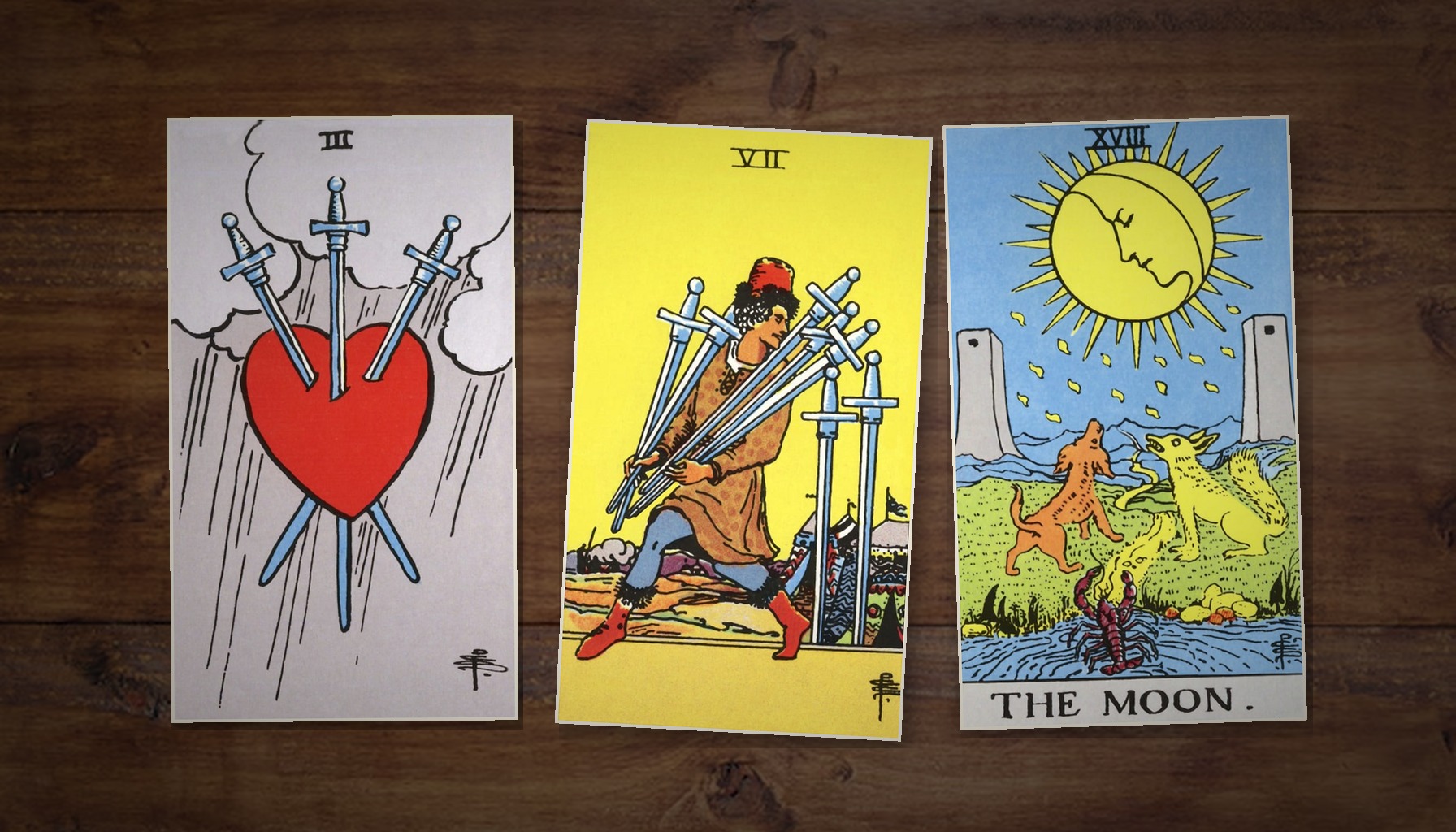
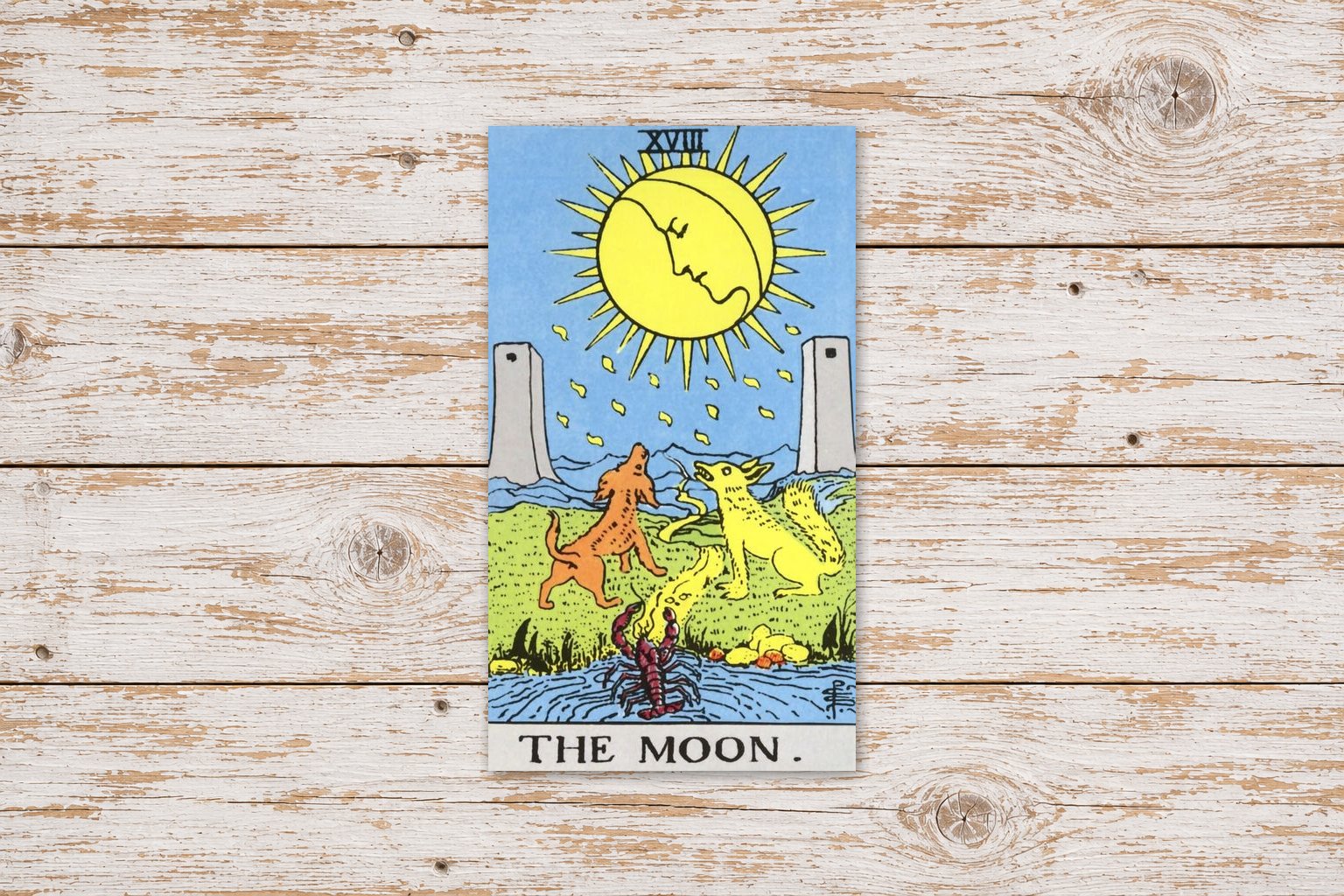
The Moon is the card of being lost. Not lost in the sense of taking a wrong turn. Lost in the sense of walking through fog and not being sure the ground beneath you is solid. Two towers, a winding path, a dog and a wolf, a crayfish emerging from the deep. The Moon says: you're between things. The old identity has dissolved and the new one hasn't formed. This is real and it's temporary and it doesn't feel temporary.
The Hermit gets pulled constantly by people who feel lost, and they usually panic. They think it means more isolation, more loneliness, more being left out. It doesn't. The Hermit chose to be on that mountain. He walked up there himself with his lantern and his staff. This card says the answers you need are inside the discomfort, not on the other side of it. Stop looking outward.
The Wheel of Fortune in a "lost" reading means you're in a transition that isn't about your choices. Something larger turned. A layoff, a move, a death, a graduation into nothing. The Wheel says this phase has its own momentum. You didn't cause it and you can't rush it. What you can do is stay aware while it turns, because where it stops is partly determined by what you're paying attention to.
Two of Swords shows up when you feel lost but actually you know exactly what the choice is — you just don't want to make it. Blindfolded, two swords crossed, water behind her. The confusion isn't real. The avoidance is. This card is less comforting than the others because it says the fog is self-imposed.
A Reading for When You Can't Name the Problem
Shuffle without a question. That's allowed. Let your hands move and don't force a topic. Pull three cards and lay them face down.
Card 1: Where I actually am. Not where you think you are, not where you wish you were. The card here shows your real position, stripped of the story you've been telling yourself. Sometimes this card is a relief. Sometimes it's the Three of Swords and you realise you're grieving something you haven't admitted is gone.
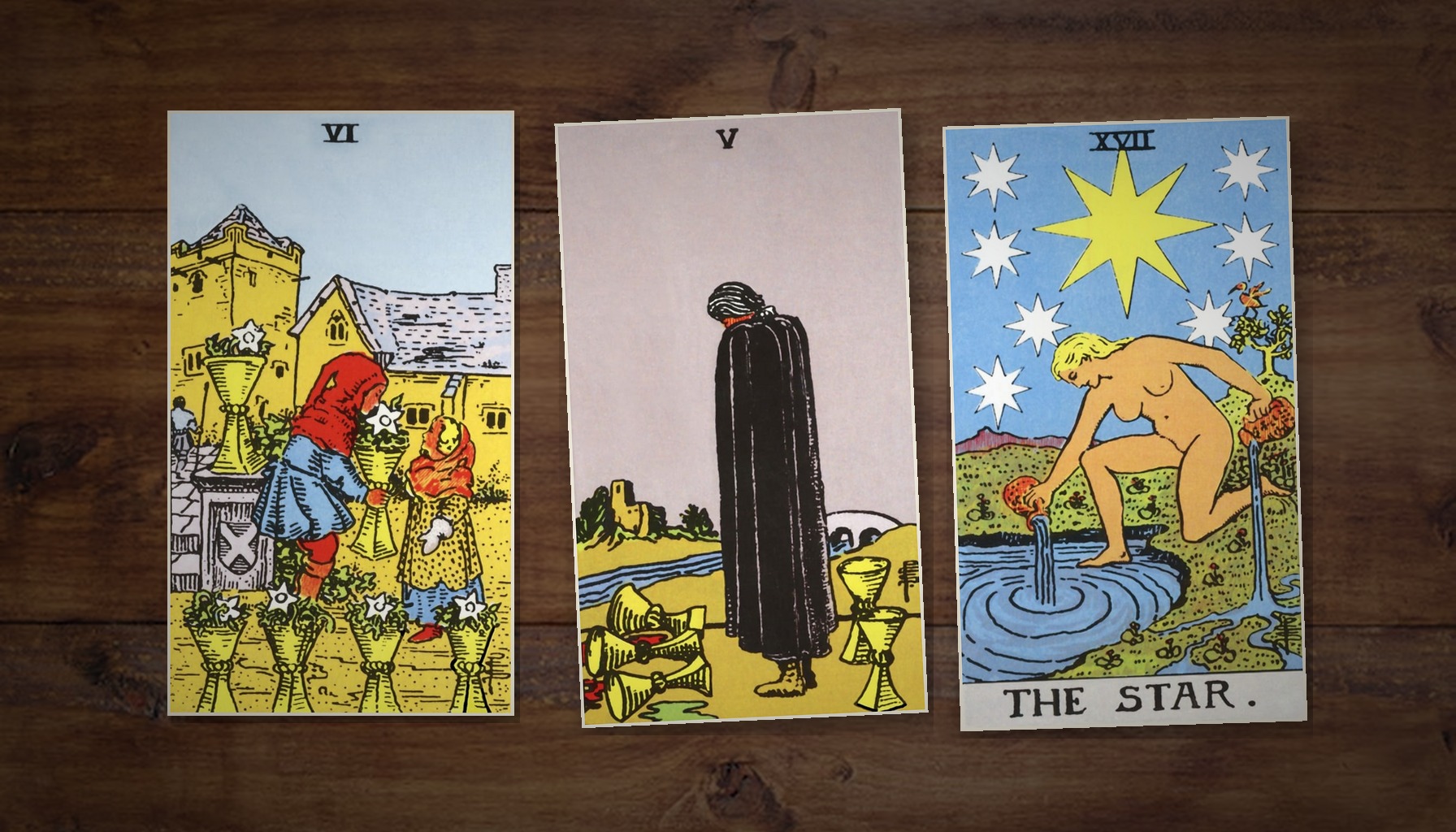
Card 2: What I'm not seeing. This is the card you need most. The High Priestess here means you have information you're ignoring. The Eight of Cups means you already know it's time to walk away from something. This position catches the blind spot.
Card 3: One step. Not the whole path. One step. If this card is the Ace of Wands, start something. Anything. It doesn't have to be the right thing. If it's the Four of Swords, rest. You're not lost because you need to do more. You're lost because you haven't stopped long enough to get your bearings.
The Trap of Reading Too Much
When you're lost, tarot can become a compulsion. One more reading. One more spread. One more reshuffled deck because the last answer didn't feel right. This is the tarot equivalent of doomscrolling — it looks like you're doing something, but you're just cycling through the same anxiety in a different format.
One reading per question. If you don't like the answer, sit with it for a day before you pull again. The cards aren't a slot machine. They gave you an answer. The fact that it's uncomfortable doesn't mean it's wrong.
What "Found" Actually Looks Like
The uncomfortable truth: being found doesn't feel like you think it will. It doesn't arrive as a sudden clarity. It arrives as a small thing that interests you enough to do it again tomorrow. A conversation that made you feel like yourself. A project you forgot to check the time during. A morning where you woke up and the heaviness was lighter than yesterday, just slightly.
Temperance is the card that shows up when someone is about to stop being lost. An angel with one foot on land and one in water, pouring liquid between two cups. No drama, no lightning bolt of purpose. Just balance returning, slowly, through daily acts of showing up.
The cards won't tell you who you are. But they'll show you where to look.