
The Snapshot Problem
A one card tarot reading is like looking at a single frame from a movie. You might see someone crying, but you don't know if they just won the lottery or lost their job. The card shows you what's happening right now, but it can't tell you how you got here or where you're heading.
Single cards work perfectly for simple questions. "What do I need to focus on today?" Pull The Star and you know to stay hopeful and trust your intuition. But ask "Should I quit my job?" and that same Star card becomes confusing. Is it saying yes because better opportunities await, or is it telling you to have faith in your current position?
The context missing from single card pulls often leads to misinterpretation. Without surrounding cards to clarify the message, you're left guessing at meanings that could go multiple directions.
Why Three Cards Change Everything
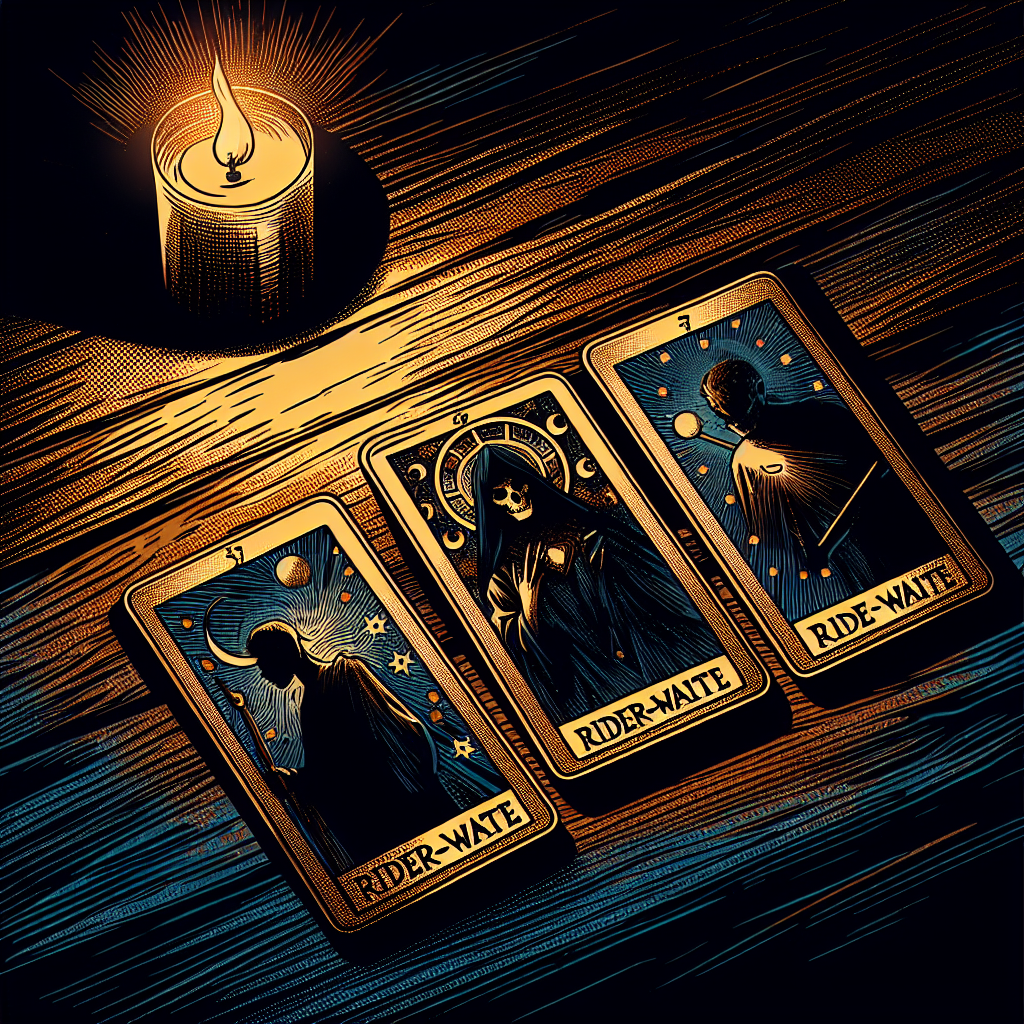
Multiple cards create a conversation. The Three of Swords followed by The Eight of Cups and The Ace of Wands tells a complete story: heartbreak led to walking away, which opened space for new creative energy.
That same Three of Swords alone? It just says "heartbreak" without telling you what to do about it or where it leads. The additional cards provide the roadmap forward.
Our Complete Story Method addresses this limitation by reading three different decks for past, present, and future simultaneously. This approach recognizes that every situation has layers that single cards simply cannot capture.
When Single Cards Actually Work
One card tarot reading isn't useless,it just has specific applications. Daily card pulls work well because you're asking for general guidance, not complex analysis. "What energy should I bring to my day?" is perfect for a single card.
Single cards also work for checking in on ongoing situations. If you did a full reading about your relationship last week, pulling one card to see how things have shifted makes sense. You already have the context from your previous reading.
Quick decision-making benefits from single cards too. When you're stuck between two lunch options, The Five of Pentacles might remind you to choose the more budget-friendly option. Simple question, simple answer.
The Danger of Overthinking One Card
When people pull single cards for complex questions, they often try to extract more meaning than the card can provide. They'll spend twenty minutes analyzing every symbol, trying to make one card answer questions it wasn't designed for.
This overthinking creates more confusion than clarity. You end up projecting your hopes and fears onto the card instead of receiving actual guidance. A three-card spread prevents this by giving you enough information to work with without requiring mental gymnastics.
Building Card Relationships
The real magic happens in how cards relate to each other. The Hermit next to The Two of Cups suggests that solitude is preparing you for a meaningful connection. The Hermit alone just says "seek solitude",helpful, but incomplete.
Cards modify each other's meanings. The Tower looks scary by itself, but when followed by The Sun, it becomes positive disruption leading to joy. This nuanced understanding only comes from reading multiple cards together.
Single cards can't show you timing, obstacles, or alternative paths. They're static images in a dynamic world that requires dynamic interpretation.
Making the Most of Multiple Cards
Start with three cards minimum for any important question. Position them clearly,past/present/future, situation/action/outcome, or challenge/approach/result. This structure prevents the cards from becoming a confusing pile of mixed messages.
Learning how to read tarot accurately means understanding that more cards generally mean more accurate readings, up to a point. Seven to ten cards provide comprehensive insight without becoming overwhelming.
Trust your first impressions when reading multiple cards, but let them build on each other rather than analyzing each card in isolation. The story emerges from their connections, not their individual meanings.